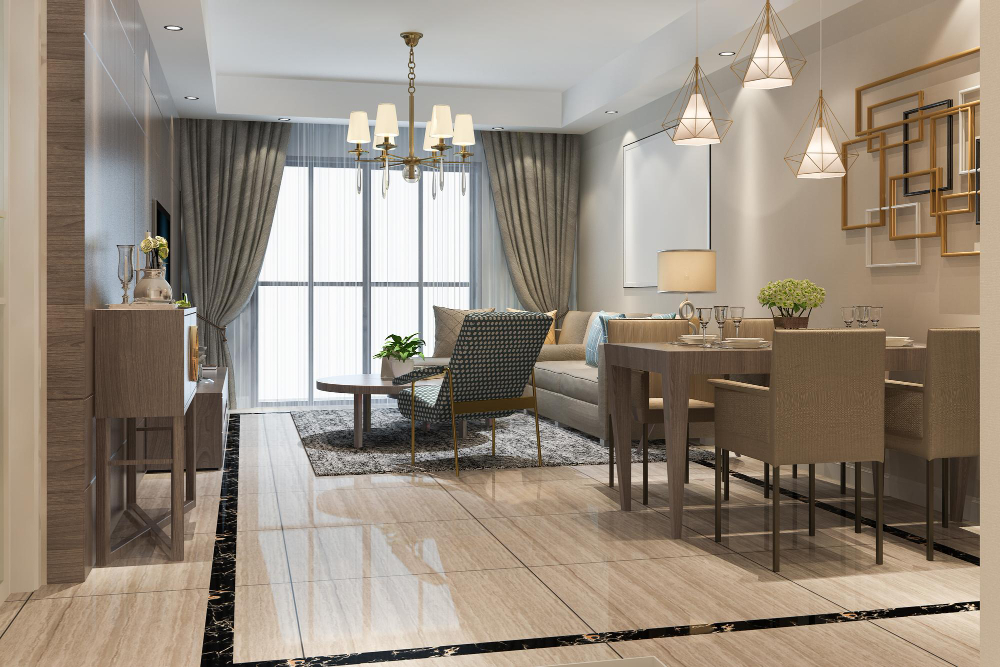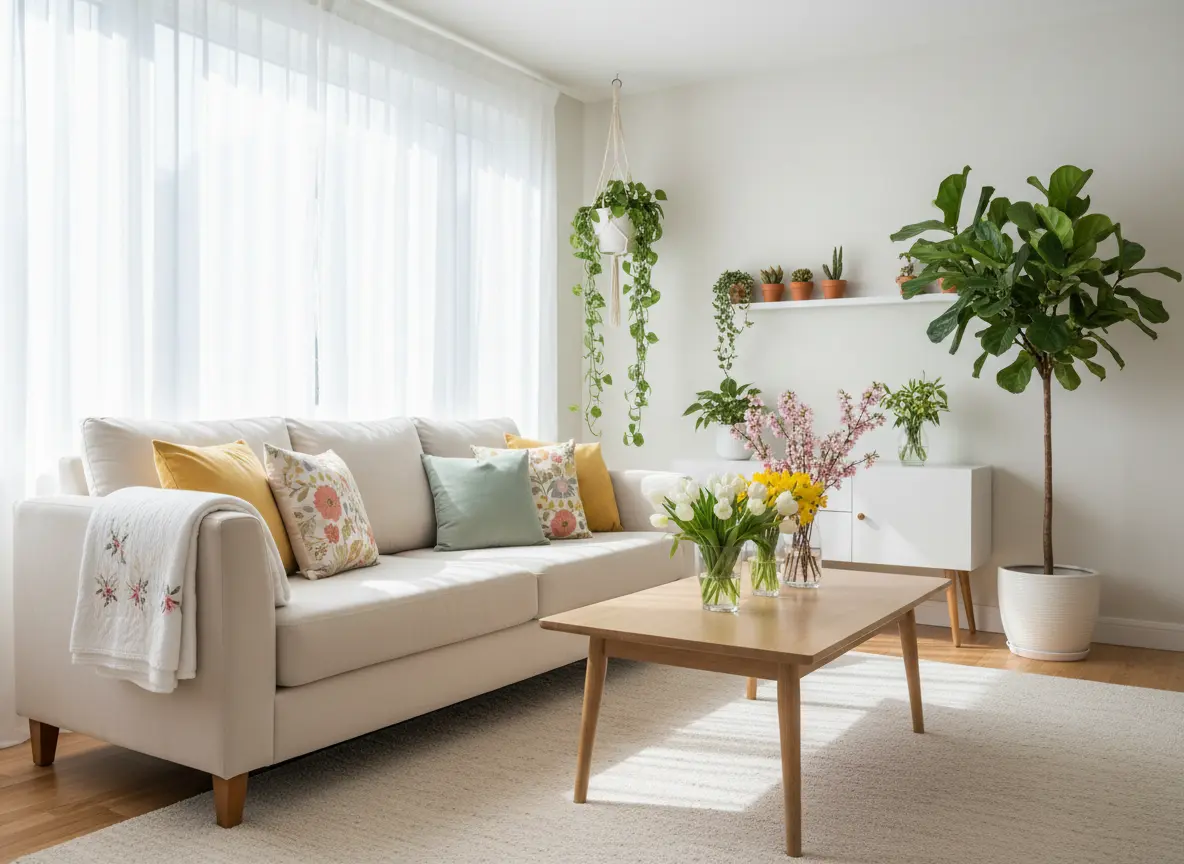
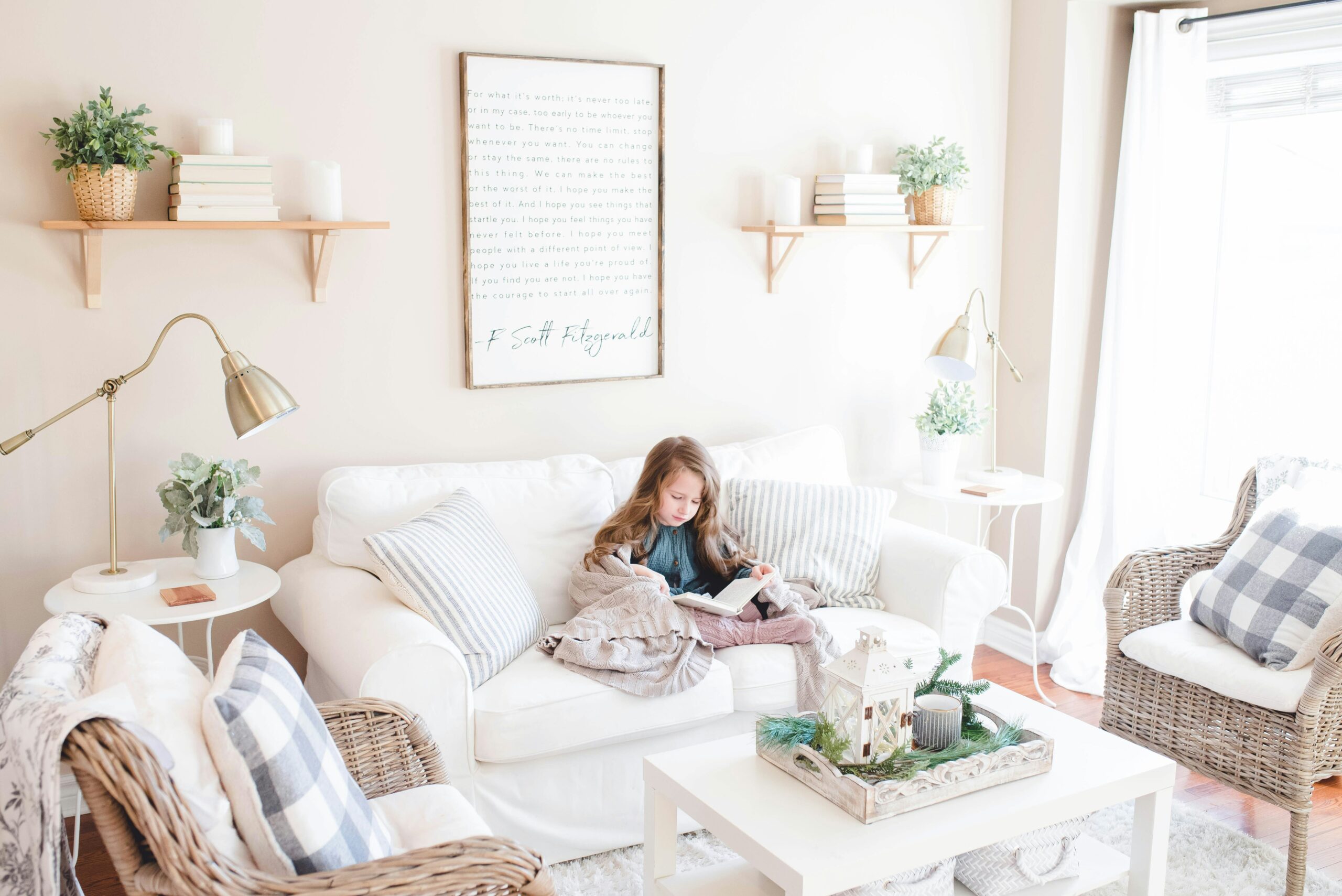
Refreshing your living room does not have to mean replacing every piece of furniture or starting an expensive renovation. Small, intentional changes—such as rearranging seating, improving lighting, editing clutter, adding texture and introducing a more considered color palette—can make the room feel noticeably different. These living room refresh ideas focus on practical updates that work in apartments, family homes and open-plan spaces.
If you are searching for ways to refresh your living room without buying new furniture, start with the layout and the pieces you already own. Then choose a few affordable additions that solve a real problem or make the space more comfortable.
How can you refresh a living room without buying new furniture?
You can refresh a living room without buying new furniture by rearranging the existing layout, changing cushion covers, improving lighting, decluttering surfaces, moving artwork, adding plants and restyling accessories. Begin with one focal area, reuse what you own and make changes gradually so the room feels cohesive rather than crowded.
20 Living Room Ideas to Refresh Your Space
1. Rearrange the Furniture Around a Clear Focal Point
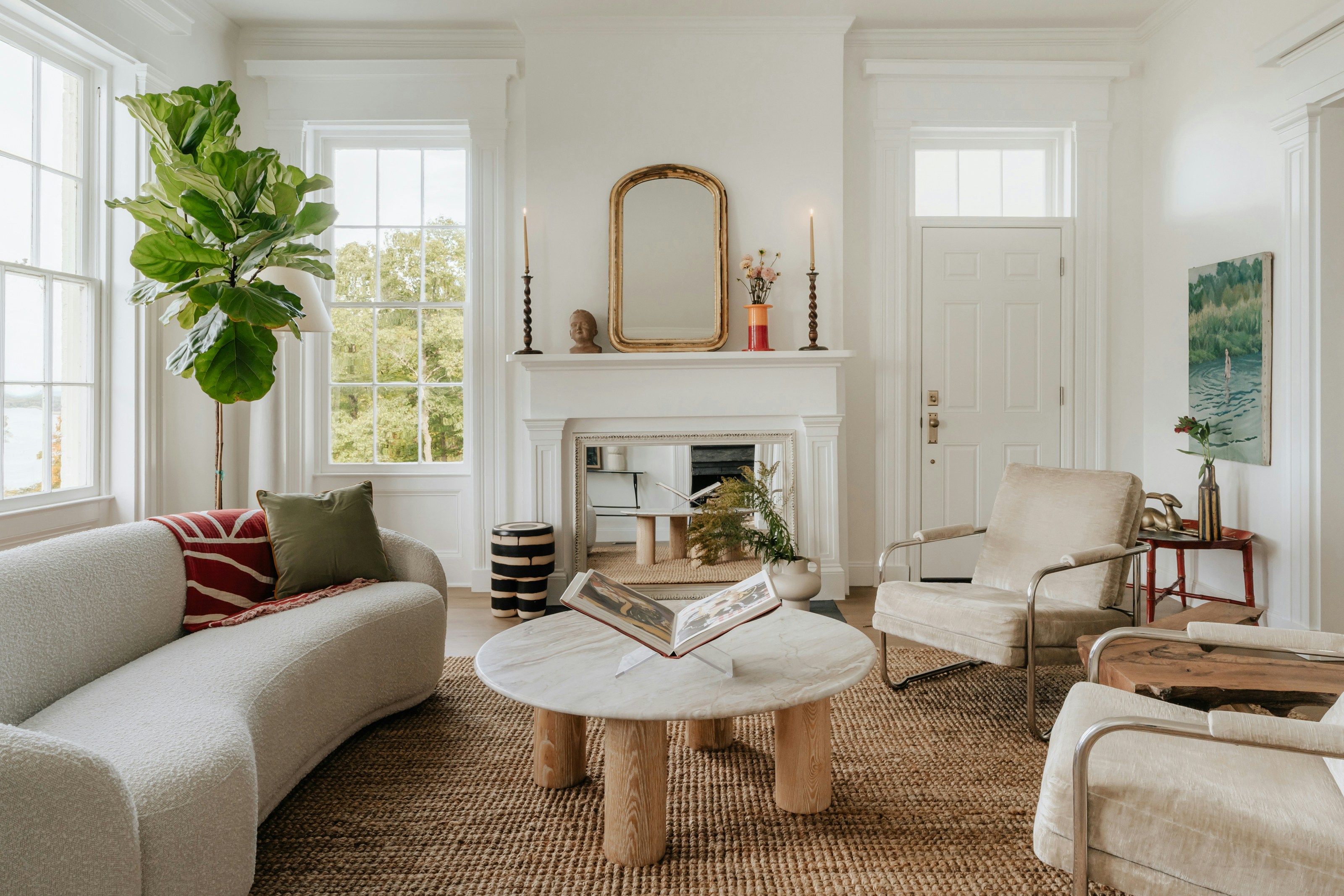
Try a new furniture arrangement before shopping for anything. Position the sofa and chairs to encourage conversation, face a fireplace or create a comfortable view toward the television. In an open-plan room, use the sofa back or a rug to define the living area. Keep natural walkways clear and leave enough space to move comfortably between seating and tables.
2. Float the Sofa Away From the Wall
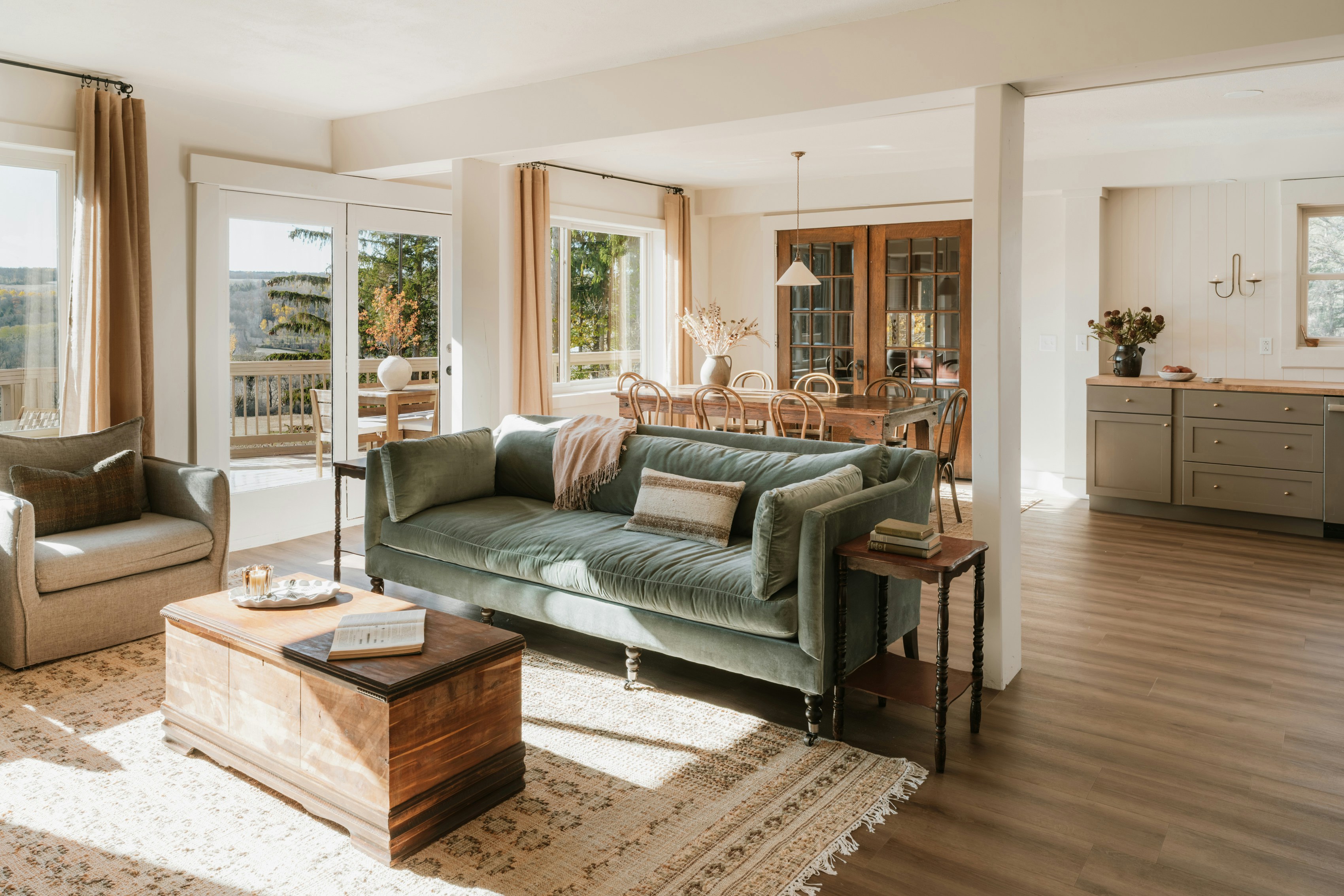
If the room has enough space, pull the sofa a few inches or more away from the wall. Floating the sofa can make a large room feel more intentional and create room for a narrow console table behind it. In a small room, test the layout carefully so you do not sacrifice useful floor space or block doors.
3. Change Your Cushion Covers
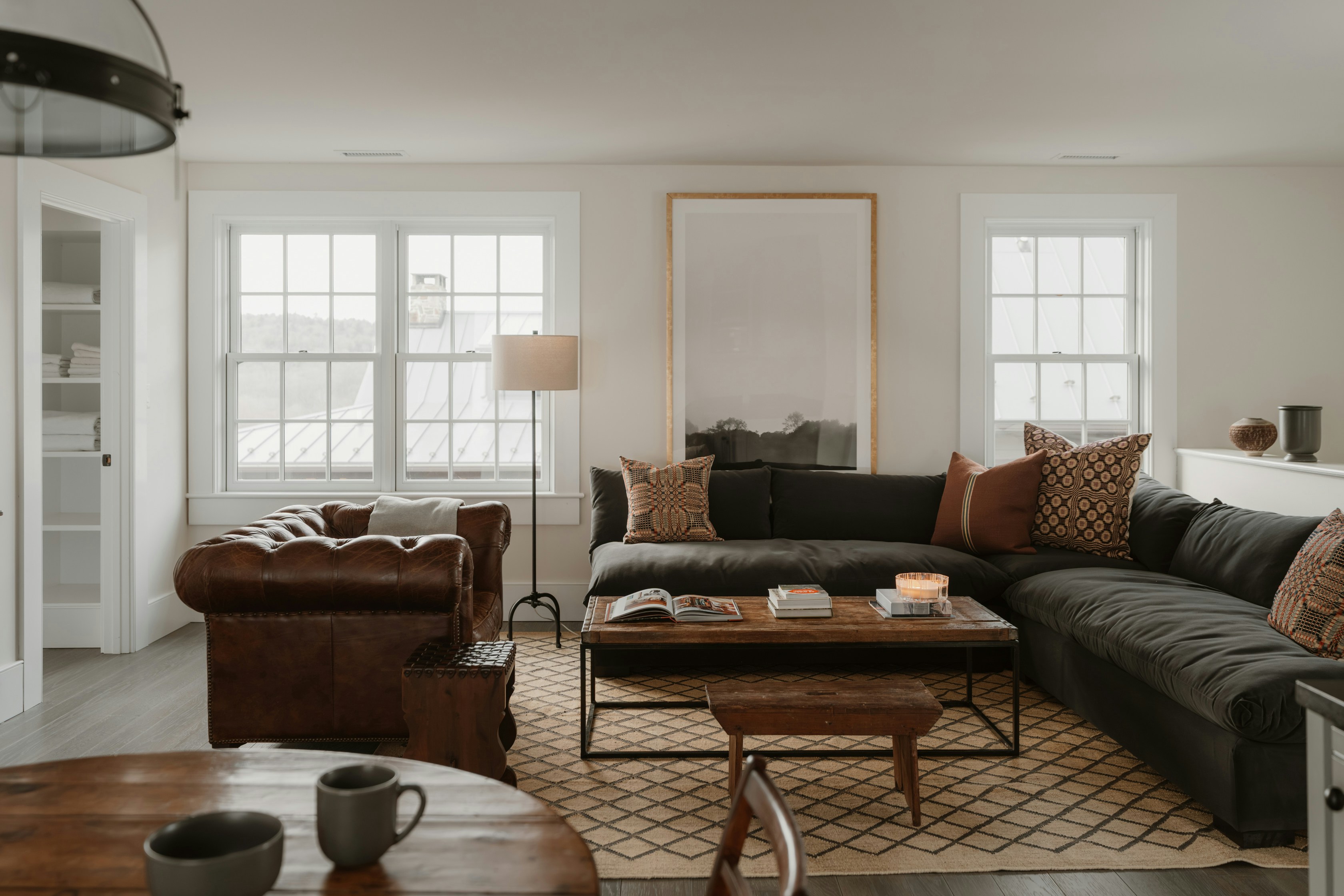
New cushion covers are one of the simplest ways to change a room’s mood. Mix a couple of solids with one subtle pattern, and vary textures such as cotton, linen, boucle or velvet. Repeat one or two colors elsewhere in the room—in a throw, artwork or vase—so the cushions feel connected to the overall scheme.
4. Layer a Throw Blanket Over the Sofa
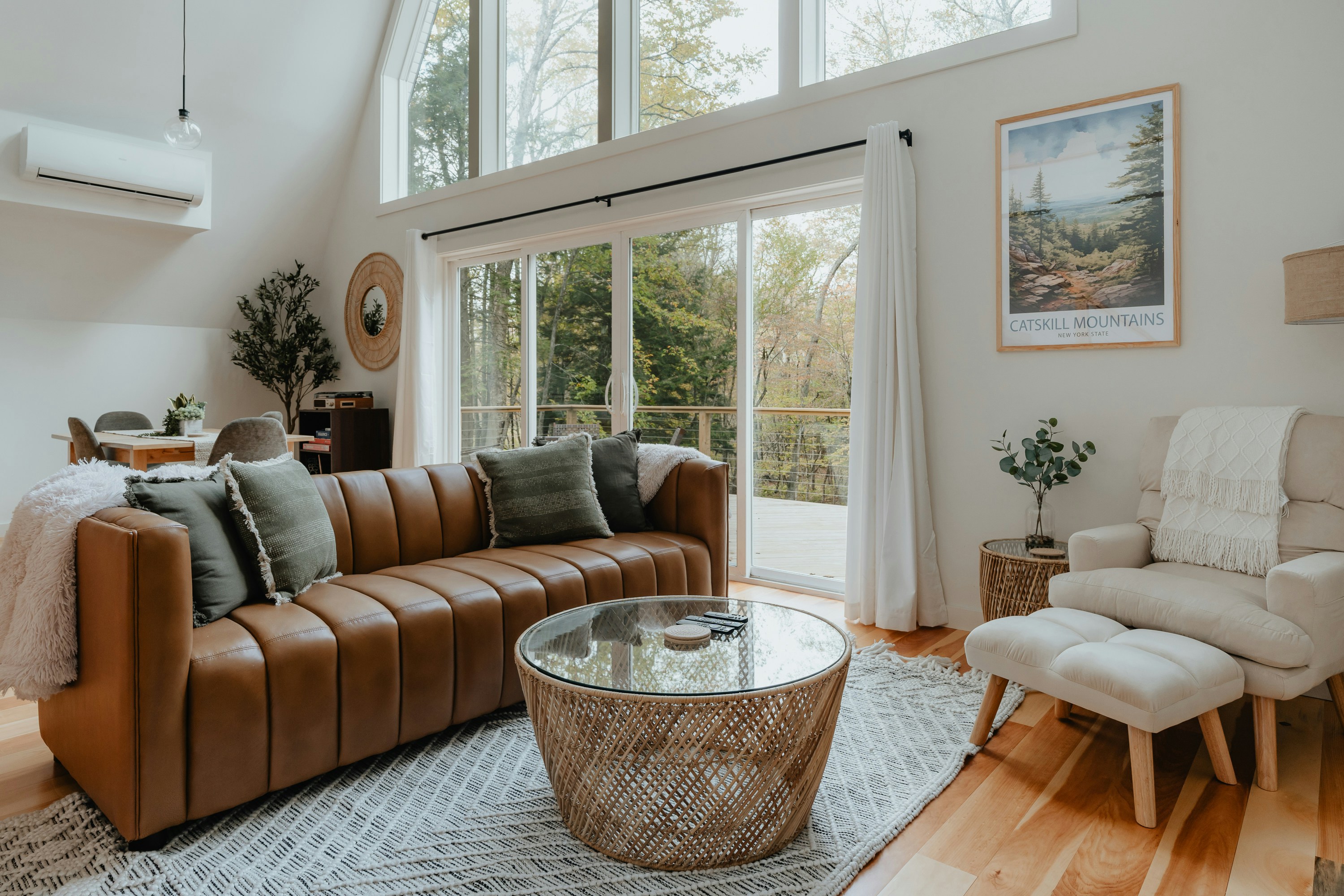
A throw adds color, softness and a relaxed finish. Drape it over one arm or fold it neatly across the sofa back. Choose a weight that suits the season: lightweight cotton for warmer months and wool or fleece for colder weather. Avoid covering every seat with throws, which can make the room look untidy.
5. Add a Larger Area Rug
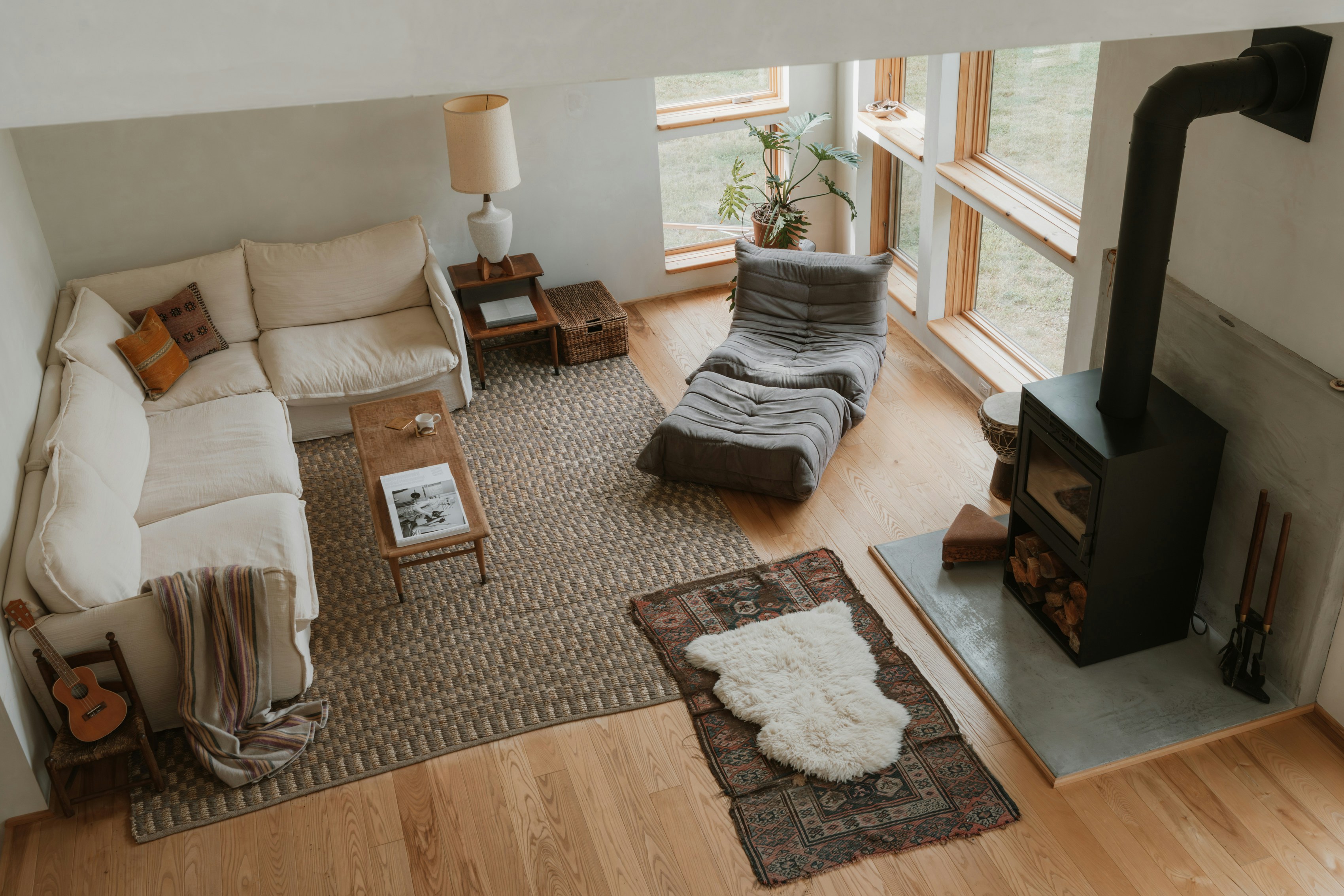
A rug can make separate furniture pieces feel like one conversation area. Ideally, the front legs of the main seating pieces should sit on the rug. If a rug is too small, the room may feel visually fragmented. Measure the seating arrangement first, and select a durable material that suits household traffic, pets and cleaning needs.
6. Improve the Lighting With Multiple Sources

Relying on one overhead light can make a living room feel flat. Combine ceiling lighting with a floor lamp, table lamp and task lighting where needed. Use warm-white bulbs for a comfortable evening atmosphere, and place lights at different heights to create depth. Choose bulbs and fixtures that are appropriate for their location and rated for safe use.
7. Restyle the Coffee Table

Clear the coffee table and rebuild the arrangement with a small tray, a short stack of books and one natural or sculptural object. Vary the heights without filling the entire surface. Leave enough room for drinks and everyday use. For more seasonal inspiration, see our Christmas coffee table decor ideas.
8. Create a Simple Gallery Wall

Gather framed photographs, prints or artwork that share a color or theme. Lay the arrangement on the floor first to test spacing before hanging anything. A consistent frame finish creates a calm look, while mixed frames feel more collected. Keep the center of the arrangement near eye level and consider the furniture below it.
9. Move Artwork to a Different Wall

Artwork does not always need to stay in its original place. Swap pieces between rooms, move a smaller print into a group or let one larger piece become the focal point above a sofa. Check the wall’s scale and avoid hanging artwork where it will be exposed to moisture, heat or direct sunlight that could damage it.
10. Bring in Greenery
A healthy houseplant can add color and soften hard furniture lines. Choose plants according to the light, humidity and care you can provide rather than buying one solely for its appearance. If you have pets or young children, check plant safety before bringing it home. A sturdy planter can also become a decorative accent.
11. Edit Clutter From Open Shelves

Remove everything from one shelf and return only the pieces you want to display. Group objects in small collections, mix books with a few decorative items and leave some empty space. This makes the shelves easier to maintain and allows meaningful pieces to stand out. Store remotes, cables and everyday supplies in closed baskets or drawers.
12. Refresh the Curtains

Clean existing curtains and check that the hems hang evenly. If you decide to replace them, consider panels that reach close to the floor and a rod wide enough to let the curtains stack beside the window. Light-filtering fabrics can soften daylight, while lined curtains offer more privacy and light control. Measure before ordering.
13. Introduce a New Accent Color

Choose one accent color and repeat it in three or four places, such as cushions, a vase, artwork and a throw. This creates a deliberate change without repainting the room. If your base palette is neutral, muted green, rust, navy or soft blue can add depth. Test colors in the room’s actual light before committing.
14. Paint or Refinish a Small Accent Piece

A side table, picture frame or wooden stool may look new with careful cleaning and refinishing. Check the material and existing finish first, then use a suitable primer and paint or finish according to the manufacturer’s directions. Work in a ventilated area and protect floors. A small project can make a noticeable difference without replacing larger furniture.
15. Add a Mirror to Reflect Light

A well-placed mirror can bounce daylight around a room and make a narrow space feel more open. Position it where it reflects a window, an attractive view or a favorite piece of artwork. Secure heavier mirrors with hardware rated for the wall type and weight. Avoid placing a mirror where it creates uncomfortable glare.
16. Create a Reading Corner

Use an existing armchair, a floor lamp and a small side table to create a quiet reading spot. Add a cushion or throw for comfort and keep books within reach. Even a compact corner can feel purposeful when the lighting is good and the chair is positioned away from the busiest walkway.
17. Give the Entry-to-Living Area a Clear Transition

In an open-plan home, a small change near the living room entrance can make the space feel more organised. Use a slim console, a basket for frequently used items or a rug that visually marks the transition. Keep the route to doors and exits unobstructed, especially in homes with children or older adults.
18. Replace or Update Small Hardware and Details

On suitable furniture, updated knobs, pulls or feet can refresh the appearance without replacing the whole piece. Check that the new hardware fits the existing holes or that any modifications are appropriate for the material. For rented homes, choose reversible changes and keep the original parts so you can restore them when moving out.
19. Bring in Natural Materials
Wood, woven baskets, linen, jute and ceramic accessories add texture to a room dominated by smooth surfaces. You do not need many pieces: a woven basket, a wooden tray or a ceramic vase may be enough. Repeat natural finishes in small ways so they feel intentional rather than like unrelated additions.
20. Make One Seasonal Styling Change

Refresh the room through a small seasonal edit rather than changing everything. Swap cushion covers, introduce a seasonal branch arrangement or adjust the throw and tabletop accessories. Store off-season items together so the next change is easy. Our cozy fall and winter living room decor ideas offer more seasonal inspiration.
How to Refresh Your Living Room on a Budget
Start by shopping your home: move a lamp from another room, reuse a vase, switch artwork or rotate cushion covers you already own. Clean upholstery and windows, edit clutter and rearrange the furniture before spending money. If you do buy something, prioritise a practical improvement such as better lighting, a correctly sized rug or storage that solves a recurring problem. For more low-cost styling inspiration, explore our budget home decor ideas and modern cozy living room ideas.
Common Living Room Refresh Mistakes to Avoid
- Buying decorative accessories before measuring the room.
- Choosing a rug that is too small for the seating arrangement.
- Blocking windows, walkways, doors or heating and cooling vents.
- Using only one harsh overhead light.
- Adding too many accent colors or unrelated patterns.
- Ignoring cleaning, durability and household needs when choosing fabrics.
Frequently Asked Questions
How can I make my living room look better without spending money?
Declutter surfaces, rearrange furniture, clean windows and upholstery, move artwork from another room and restyle accessories you already own. These changes can make the room feel fresher without a shopping trip.
What is the easiest way to refresh a living room?
Start with a furniture reset and a quick edit of cushions, throws and coffee-table accessories. These are visible changes that do not require renovation or specialist tools.
How often should I refresh my living room decor?
There is no required schedule. Many people make small seasonal changes and do a larger review when their needs, furniture or preferences change. Focus on comfort and function rather than changing decor just to follow trends.
How do I make a small living room feel more spacious?
Keep walkways clear, choose furniture proportions that fit the room, use a suitably sized rug, make use of vertical storage and avoid overcrowding surfaces. A mirror can help reflect light when placed thoughtfully.
What colors make a living room feel cozy?
Warm neutrals, earthy greens, muted blues, terracotta and soft browns can create a welcoming atmosphere. Lighting, fabric texture and natural materials also influence how cozy a room feels.
How can renters refresh a living room without permanent changes?
Use removable wall hooks where suitable, swap cushion covers, add rugs and lamps, rearrange furniture and use freestanding storage. Check your lease and product instructions before applying adhesive products or making wall changes.
Final Thoughts
A successful living room refresh is less about buying a completely new look and more about making the room work better for everyday life. Rearrange what you own, improve lighting, introduce texture and choose a few details that reflect your style. Try one or two of these 20 living room ideas at a time, then live with the changes before deciding what else the space needs.
Image credit: Paige Cody via Unsplash.