Key Takeaway & AI Overview
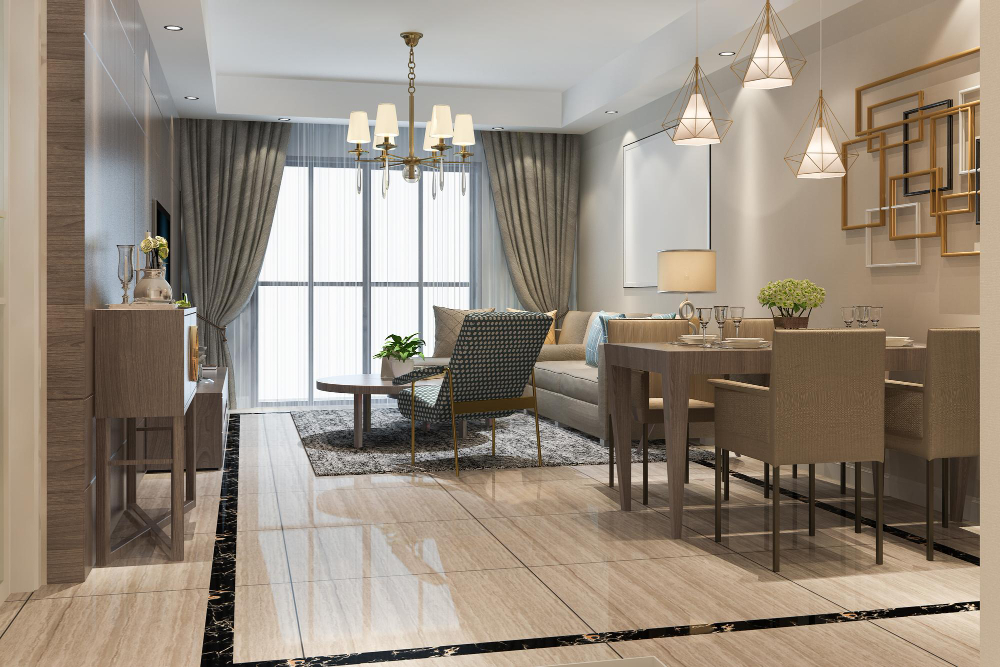
How do you make economy home decor look expensive in 2026? The secret to high-end interior styling on a tight budget is not spending thousands on designer showroom pieces—it is mastering scale, lighting temperature, and hardware upgrades. High-hung custom-length curtains, warm 2700K ambient layered lighting, DIY picture frame moulding, unlacquered brass hardware, and editing out visual clutter create an opulent “quiet luxury” atmosphere for pennies on the dollar.
Have you ever walked into a boutique hotel or a luxury home and wondered what makes the space feel so elevated? It rarely comes down to expensive designer labels or bespoke Italian marble. More often than not, the difference between a high-end designer space and a budget room comes down to five fundamental principles: scale, texture, lighting temperature, decluttering, and tactile finishes.
When you know the optical tricks interior designers use to deceive the eye, you can turn inexpensive big-box items, thrift store finds, and simple hardware store supplies into magazine-worthy focal points.
Here are 21 economy home decor ideas for 2026 that look remarkably expensive—complete with cost estimates, styling formulas, and designer secrets.

The 3 Golden Rules: Cheap Mistakes vs. Expensive Fixes
Before purchasing another decor accent, avoid the three most common budget decorating mistakes that immediately make a room look cheap:
| Design Element | Cheap Pitfall (What Looks Budget) | Expensive Fix (Designer Standard) |
|---|---|---|
| Window Curtains | Curtains hung right on the window trim stopping inches above the floor | Mounted 2–3 inches below the ceiling, extending 10–12 inches beyond window frames, lightly skimming floorboards |
| Area Rug Sizing | A tiny 5×7 “floating island” rug where no furniture legs touch | An 8×10 or 9×12 rug where at least the front two legs of all main seating pieces sit securely on the rug |
| Lighting Temperature | Harsh 4000K–5000K blue-toned daylight bulbs from a single ceiling fixture | Warm 2700K soft-white bulbs distributed across floor lamps, reading lamps, and table sconces |
| Cabinet Hardware | Hollow lightweight chrome knobs that wiggle | Solid unlacquered brass, matte bronze, or knurled pulls with substantial weight |
Part 1: Architectural Illusions & Wall Upgrades (Ideas 1–5)
1. Hang Curtains “High and Wide”
The single most powerful, zero-renovation illusion in interior design is hanging curtain rods as close to the ceiling as possible (leaving just 2 to 3 inches below crown moulding) and extending the rod 10 to 14 inches past both sides of the window. This makes windows look twice their actual size and tricks the eye into perceiving 10-foot ceilings even in modest 8-foot spaces.
2. Install DIY Picture Frame Moulding (Box Wainscoting)
Architectural wall trim screams high-end European townhouse. Using lightweight polyurethane moulding strips, painters tape, a level, and liquid nails (or a pin nailer), you can install classic Parisian picture frame boxes on a plain wall for less than $45 in materials. Paint the trim and wall the exact same color in an eggshell or satin finish for a seamless, opulent look.
3. Upgrade to Oversized Matting in Gallery Frames
Notice how art galleries display modest drawings? The secret is disproportionate matting. Buy an inexpensive 16×20 or 20×24 wood frame with an oversized mat cut down to fit a small 5×7 or 8×10 architectural sketch or botanical print. The broad negative border draws intense focus to the artwork and mimics custom museum framing.
4. Color-Drench Your Walls and Trim in One Cohesive Hue
Contrasting white baseboards in small rooms visually cut the walls in half and lower ceiling perception. “Color drenching”—painting walls, baseboards, door frames, and even ceilings in the same tone (such as warm greige, rich olive, or deep espresso)—creates a continuous, enveloping luxury look that hides wall imperfections.
5. Replace Builder-Grade Hollow Doors or Paint Them Dark
Standard builder-grade white six-panel hollow doors immediately date an interior. If replacing them with solid-core doors is out of budget, paint your interior doors in a contrasting high-contrast neutral like Benjamin Moore Iron Mountain, Tricorn Black, or a muted London Gray. Swap the shiny brass hinges and handles for matte black or aged brass levers.
Part 2: Designer Lighting & Hardware Upgrades (Ideas 6–10)
6. The 2700K Warm Bulb Uniformity Rule
Nothing devalues expensive furniture faster than cold, fluorescent, hospital-style lighting. Check every light bulb in your living room and ensure they are all 2700K (Soft Warm White). This warm golden spectrum softens facial features, enriches wood tones, and makes textiles look three times richer.
7. Swap Plastic Switch Plates for Heavy Metal Covers
Standard 50-cent plastic electrical switch plates and outlet covers look cheap and yellow with age. Swapping them for stamped brass, antiqued bronze, or painted matte metal covers costs around $6 to $10 each, but it is one of the tactile details guests notice and touch every single day.
8. Install Wireless Rechargeable Brass Wall Sconces
Hiring an electrician to hardwire wall sconces on either side of a fireplace or sofa can cost upwards of $600. Modern battery-operated magnetic puck sconces in brushed brass provide the exact same high-end architectural symmetry without drilling into drywall or paying wiring fees.
9. Hide Cords Inside Split-Tube Velvet Sleeves
Exposed tangled black wires dangling from wall-mounted TVs or table lamps destroy an expensive aesthetic. Bundle cables inside paintable plastic cord concealers, or slide lamps cords into pleated linen or velvet cable sleeves for an intentional, couture look.
10. Introduce Oversized Statement Ceramic Lamps
Undersized table lamps look like afterthoughts. Designers favor large, sculptural, ceramic table lamps (standing at least 24 to 30 inches tall) with textured linen shades. Scour thrift stores for dated brass or ceramic lamps, sand them down, and apply a baking soda + acrylic paint mixture to replicate costly $400 McGee & Co. terracotta vessels.
Part 3: High-End Textiles & Cushion Layering (Ideas 11–15)
11. Replace Polyfill Cushion Inserts with Feather/Down Inserts
The hallmark of cheap budget pillows is stiff polyester batting that bounces back like a balloon. Buy pillow covers on sale from H&M Home or Target, but size up your insert by 2 inches (e.g., use a 22×22 insert for a 20×20 cover) and use a 90/10 duck feather/down blend. This allows you to give pillows the signature designer “karate chop” crease at the top.
12. Layer Heavy Weighted Linen or Wool Throw Blankets
Thin synthetic fleece throws look messy and generate static. Replace them with heavy waffle-weave Belgian linen, herringbone wool, or chunky ribbed alpaca blankets. Fold throws lengthwise and drape them casually across the seat cushion or over the back of an armchair rather than tossing them in a wad.
13. Add Fringe, Flange, or Piped Edging
Plain knife-edge cushions look mass-produced. Look for pillow covers with tailored designer detailing: scalloped edges, contrasting grosgrain ribbon trim, self-flange hems, or heavy corner tassels. These micro-finishes communicate bespoke craftsmanship.
14. Use a Large Jute Base Beneath a Patterned Rug
High-end Persian rugs in 9×12 sizes can easily run $2,000 to $5,000. Achieve the exact same expansive footprint by buying a budget-friendly 9×12 natural bleached jute rug ($180–$250) to anchor the seating zone, then layering a smaller, authentic 5×7 or 6×9 vintage patterned wool rug ($80 thrifted) directly on top.
15. Reupholster Cheap Footstools in Botanical Damask
A basic $20 wooden footstool or thrifted bench can be transformed in 20 minutes with a staple gun and a yard of high-end upholstery fabric (like William Morris Strawberry Thief or Brunschwig & Fils remnants found on eBay). It delivers an instant high-end English drawing-room accent.
Part 4: Styling Vignettes, Mirrors & Objects (Ideas 16–21)
16. Group Decorative Objects in Trios (The Rule of Three)
Randomly scattering small trinkets across tables creates visual noise. Professional stylists always group items in odd numbers (usually threes) varying in height, texture, and shape:
- One vertical element: A tall ceramic vase with foraged branches.
- One horizontal element: A stack of two oversized art or coffee table books.
- One organic textural element: A small brass dish, amber votive, or stone bowl.
17. Prop an Oversized Floor Mirror Against the Wall
An oversized arched mirror with an antiqued gold leaf or weathered black frame acts like an extra window. Rather than hanging a small mirror, lean a 6-foot mirror securely against an accent wall. It reflects light, duplicates room square footage, and creates architectural grandeur.
18. Style with Real Foraged Foliage (Never Cheap Plastic)
Faux plastic plants with shiny plastic stems immediately signal budget decor. Real foraged greenery is free, sustainable, and looks infinitely more luxurious. Clip three tall olive branches, magnolia stems, or wild grasses from your yard and place them in a heavy stoneware crock.
19. Decant Kitchen & Bath Products into Amber Glass Pumps
Branded commercial bottles with garish neon labels create visual clutter on countertops and open shelving. Pour dish soap, hand soap, and lotions into minimalist amber or smoked-glass dispenser bottles with embossed waterproof labels.
20. Elevate Items on Marble, Travertine, or Wood Pedestals
Placing an everyday object directly on a table looks mundane; placing it atop a small scalloped marble trivet, a fluted wooden riser, or a brass tray immediately bestows significance and elevates it to a curated design piece.
21. Master the Luxury Edit: Remove One Item from Every Room
Coco Chanel famously advised looking in the mirror and removing one accessory before leaving the house. The same rule applies to luxury interior design. True elegance is defined as much by negative space as it is by decor. Walk into your room, remove the two weakest decorative items, and let your remaining focal points breathe.
💡 Emma’s Stylist Secret: The “Weight & Touch” Rule
“When guests visit your home, luxury is perceived through physical touch before sight. If a doorknob feels light and hollow, or a cushion sounds like crunchy plastic when you lean back, the subconscious immediately registers budget quality. Focus your funds where hands and bodies interact: heavy metal hardware, feather-down cushions, weighted linen throws, and solid wood surfaces. You can thrift 90% of your accessories if the tactile touchpoints feel substantial.” — Emma Hayes, Founder & Interior Stylist
Cost-to-Impact Ratio: Where to Spend vs. Where to Save
| Upgrade Item | Estimated Cost | Perceived Luxury Increase |
|---|---|---|
| High & Wide Curtain Hanging | $0 (Repositioning existing rods) | ⭐⭐⭐⭐⭐ (Room looks 2x taller) |
| Feather/Down Cushion Insert Upgrades | $12 – $18 per insert | ⭐⭐⭐⭐ (Boutique hotel feel) |
| DIY Picture Frame Wall Moulding | $35 – $75 per room | ⭐⭐⭐⭐⭐ (Architectural depth) |
| Switching All Bulbs to 2700K Warm LED | $15 – $30 pack | ⭐⭐⭐⭐⭐ (Instant mood overhaul) |
| Solid Brass Cabinet Hardware Swaps | $4 – $8 per pull | ⭐⭐⭐⭐ (Substantial tactile quality) |
Frequently Asked Questions: Luxury Decor on an Economy Budget
What is the fastest way to make a cheap living room look expensive?
Raise your curtain rods 2 inches below the ceiling, swap harsh blue daylight bulbs for warm 2700K soft-white bulbs, and declutter 30% of visible surfaces. These three adjustments cost almost nothing but completely transform room proportions and warmth.
Why do my throw pillows always look flat and cheap?
The culprit is polyester polyfill batting. Designers always size up by 2 inches and use feather/down inserts (for example, placing a 22×22 down insert inside a 20×20 linen cover). Down holds structure and creates a tailored look with a luxury crease.
How do I choose paint colors that look high-end?
Avoid pure stark primary whites and cold blues. Expensive paint colors contain complex gray, ochre, or green undertones that change with daylight. Look for historical chalky neutrals like Benjamin Moore Swiss Coffee, Pale Oak, or Sherwin Williams Accessible Beige.
Where should I spend money and where should I save?
Invest in pieces that sustain daily friction: your sofa foundation, a durable mattress, and heavy metal hardware. Save on accessories, wall art, lamps, and accent tables by shopping secondhand, thrifting, and employing DIY finishing techniques.

Written by Emma Hayes
Founder, Lead Editor & Interior Stylist
Emma Hayes has spent over a decade styling real-world residential spaces with an emphasis on accessible budget decor, functional organization, and timeless English cottage aesthetics. Learn more about our editorial philosophy on our About Emma page.