
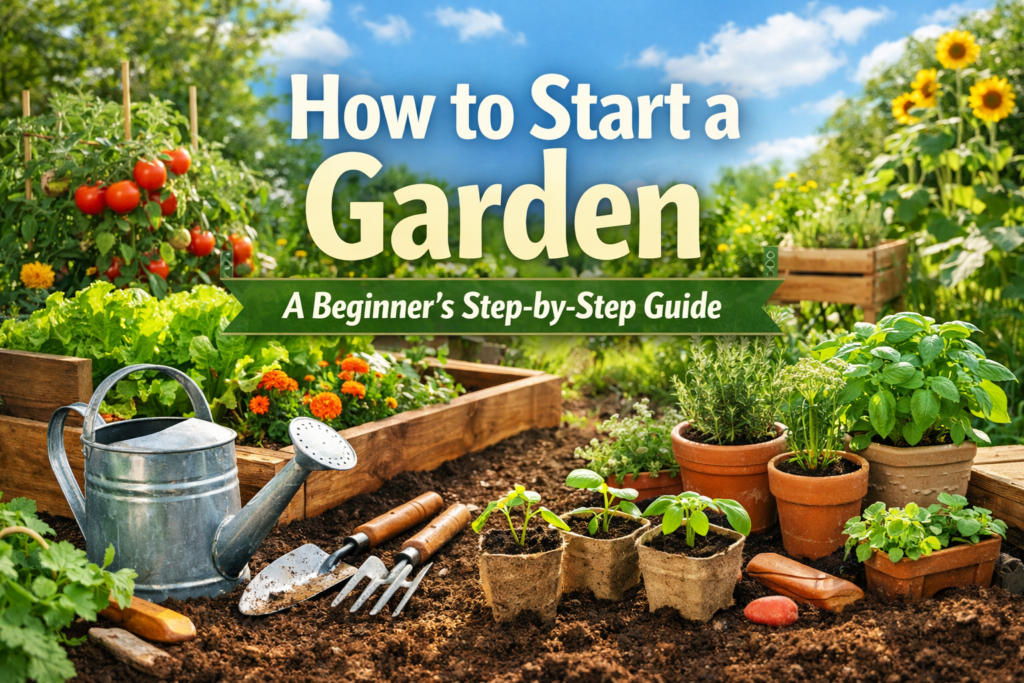
Starting a garden is one of the most rewarding habits you can develop, whether your goal is to grow fresh vegetables, beautify your home, or simply relax in nature. If you’ve ever wondered how to start a garden but felt overwhelmed by soil types, tools, or plant choices, you’re not alone. Many beginners delay gardening because they think it’s complicated or time-consuming. The truth is, gardening can be simple, affordable, and enjoyable when you follow the right steps.
This beginner-friendly guide will walk you through everything you need to know—from choosing garden ideas for beginners to planning your vegetable garden layout, selecting the best soil, growing herbs, and managing pests naturally. By the end, you’ll have the confidence to start your own garden and watch it thrive.
READ MORE: 21 Genius Shoe Storage Ideas for Every Home
Table of Contents
Garden Ideas for Beginners
One of the first steps in learning how to start a garden is deciding what type of garden suits your space and lifestyle. Beginners often succeed best when they start small and simple rather than trying to grow everything at once. A few smart garden ideas for beginners include container gardening, raised beds, and small in-ground plots.
Container gardening is ideal if you live in an apartment or have limited outdoor space. Pots, grow bags, and planters allow you to grow vegetables, herbs, and flowers on balconies, terraces, or patios. Raised bed gardens are another excellent option because they provide better drainage, improved soil quality, and easier weed control. For those with a backyard, a small in-ground garden with just a few plants is a great way to start without feeling overwhelmed.
As a beginner, it’s also wise to choose plants that grow quickly and don’t require advanced care. Leafy greens like spinach and lettuce, vegetables like tomatoes and chillies, and herbs like basil and mint are beginner-friendly choices. These plants grow fast, tolerate minor mistakes, and give visible results that keep you motivated.
READ MORE: 21 Clever Garage Storage Ideas for Small Spaces
Planning Your Vegetable Garden Layout
A well-planned vegetable garden layout plays a major role in how successful your garden will be. Before planting anything, take time to observe your space. Notice how many hours of sunlight the area receives, where water collects after rain, and whether strong winds affect the plants. Most vegetables need at least six to eight hours of direct sunlight daily to grow properly.
When planning your layout, avoid overcrowding plants. Each vegetable needs space for roots to grow and air to circulate. Raised beds or rows should be arranged so taller plants like tomatoes or corn don’t block sunlight from shorter crops. Group plants with similar water and nutrient needs together to make watering and feeding easier.
Another important factor is accessibility. Leave walking paths between beds so you can easily water, prune, and harvest your crops. A well-organized vegetable garden layout not only improves plant health but also saves time and effort in daily maintenance. Thoughtful planning at the beginning prevents common problems like poor growth, pest issues, and uneven yields later.
READ MORE: 21 Blanket Storage Ideas That’ll Save Your Sanity
Choosing the Best Soil for a Home Garden
Soil is the foundation of any successful garden, and understanding the best soil for a home garden can dramatically improve plant health. Healthy soil should be loose, well-draining, and rich in organic matter. Most plants thrive in loamy soil, which is a balanced mix of sand, silt, and clay.
If your soil is too hard or clay-like, plant roots may struggle to grow. Sandy soil, on the other hand, drains too quickly and doesn’t retain nutrients well. You can improve almost any soil type by adding compost, well-rotted manure, or organic matter. Compost not only enriches the soil with nutrients but also improves its structure and water-holding capacity.
Before planting, loosen the soil using a garden fork or spade and remove stones and weeds. Mixing compost into the top layer helps prepare a nutrient-rich environment for seeds and seedlings. Healthy soil reduces the need for chemical fertilizers and supports long-term garden success.
Essential Tools Every Beginner Gardener Needs
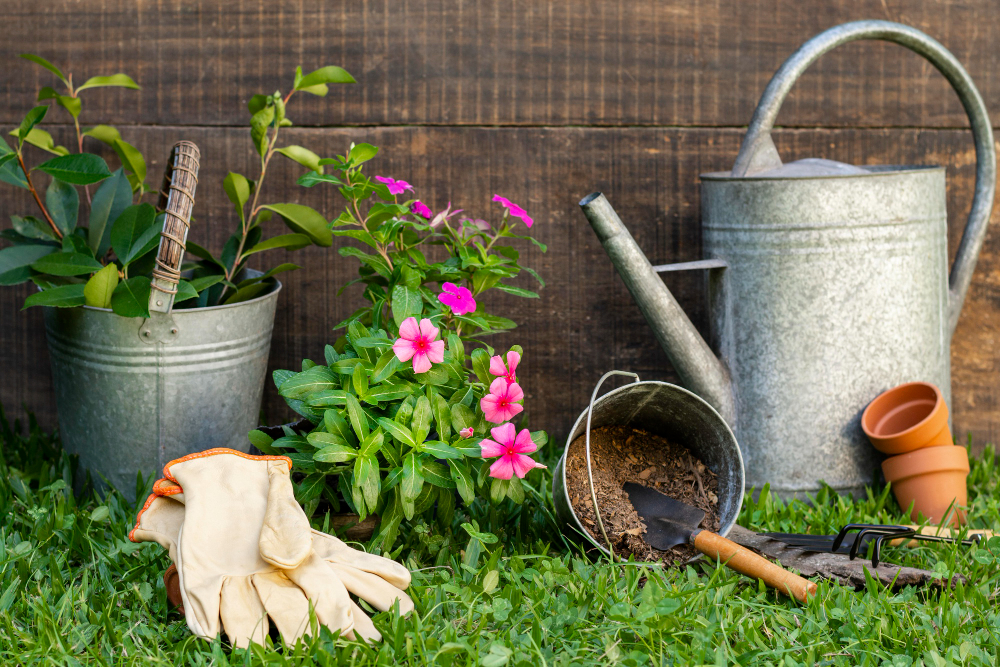
You don’t need expensive equipment to start gardening, but having a few basic tools makes the process easier and more enjoyable. Essential tools include a hand trowel for planting, a garden fork for loosening soil, pruning shears for trimming plants, and a watering can or hose with a gentle spray setting.
Quality tools last longer and reduce strain on your hands and back. Keeping tools clean and dry after use prevents rust and extends their lifespan. As your garden grows, you can gradually invest in additional tools, but starting with the basics is more than enough for beginners.
Starting a Kitchen Herb Garden
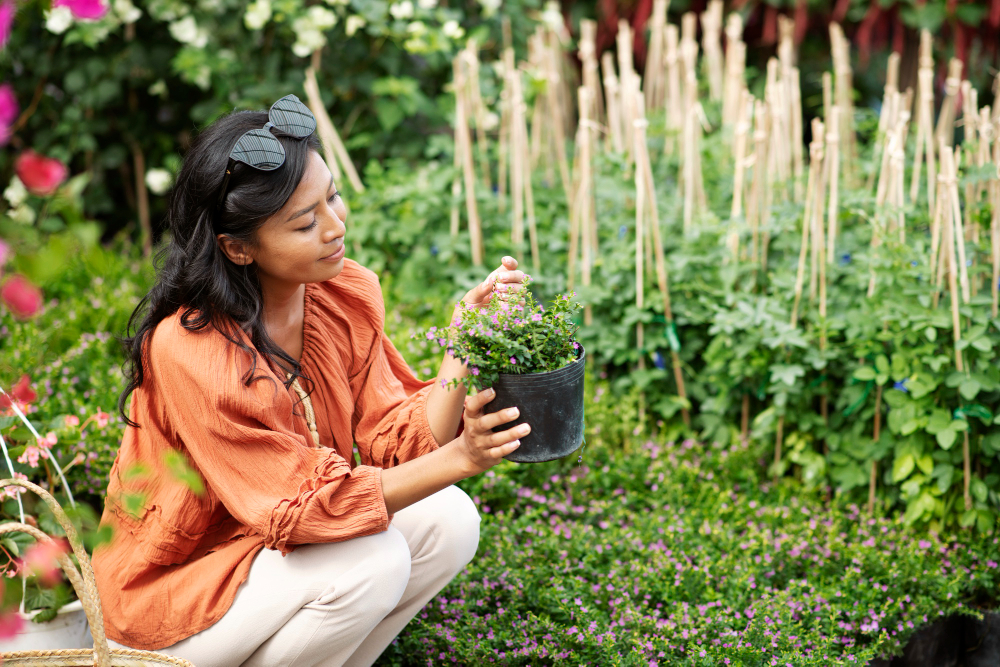
A kitchen herb garden is one of the easiest and most rewarding ways to begin gardening. Herbs require minimal space, grow quickly, and can be harvested regularly for cooking. If you’re learning how to start a garden, herbs are a perfect entry point.
You can grow herbs indoors on a sunny windowsill or outdoors in containers. Popular beginner herbs include basil, mint, coriander, parsley, rosemary, and thyme. Most herbs prefer well-draining soil and moderate watering. Overwatering is a common mistake, so always check soil moisture before adding more water.
Having a kitchen herb garden not only saves money but also adds fresh flavor to your meals. Regular harvesting encourages healthy growth and keeps plants productive throughout the season.
Organic Pest Control for a Healthy Garden
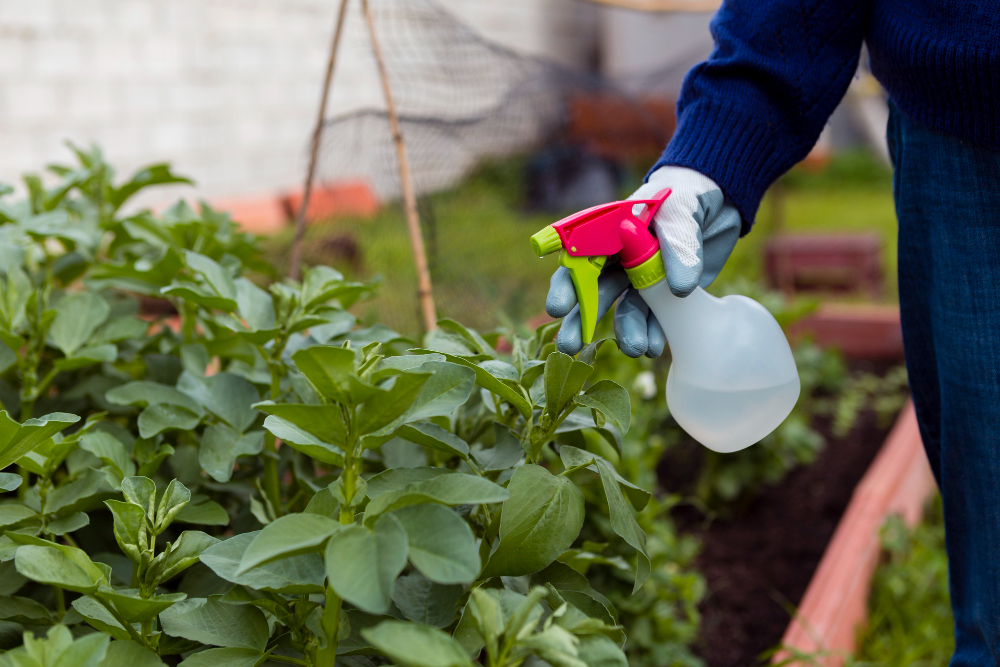
Pests are a common concern for new gardeners, but managing them doesn’t require harsh chemicals. Using organic pest control methods helps protect your plants while keeping your garden safe for people, pets, and beneficial insects.
Simple techniques include hand-removing pests, spraying plants with neem oil, and encouraging natural predators like ladybugs. Companion planting is another effective strategy. For example, marigolds help repel harmful insects, while basil can protect nearby vegetables.
Healthy plants grown in nutrient-rich soil are naturally more resistant to pests and diseases. Regularly inspecting plants allows you to catch issues early before they spread. Organic pest control promotes a balanced ecosystem and long-term garden health.
Common Questions and Concerns About Starting a Garden
Many beginners worry about making mistakes, but gardening is a learning process. One common question is how often to water plants. The answer depends on the plant type, soil, and climate, but most gardens benefit from deep, less frequent watering rather than daily light watering.
Another concern is plant failure. Not every seed will sprout, and not every plant will survive—and that’s normal. Each season teaches valuable lessons that help you improve next time. Gardening rewards patience and observation more than perfection.
Time commitment is also a concern for beginners. Fortunately, a small garden requires only a few minutes a day once established. With proper planning, gardening fits easily into a busy lifestyle.
Conclusion
Learning how to start a garden is about taking small, consistent steps rather than trying to master everything at once. By choosing simple garden ideas for beginners, planning an efficient vegetable garden layout, improving soil quality, growing herbs, and using organic pest control, you set yourself up for success.
Gardening is more than just growing plants—it’s a calming, rewarding activity that connects you to nature and provides fresh, healthy food. Start small, stay curious, and enjoy the process. Your first garden doesn’t need to be perfect—it just needs to begin.
If you’re ready to take the next step, start planning your garden today and experience the joy of growing something with your own hands.
Frequently Asked Questions (FAQ)
1. What is the best way to start a garden for beginners?
The best way to start a garden as a beginner is to start small and simple. Choose easy-to-grow plants like herbs, leafy greens, or tomatoes, use good-quality soil, and grow them in containers or raised beds. Focus on learning basic watering, sunlight, and soil care before expanding.
2. How much sunlight does a garden need?
Most vegetables and herbs need at least 6 to 8 hours of direct sunlight each day. Leafy greens can tolerate partial shade, but fruiting plants like tomatoes and peppers grow best in full sun.
3. How often should I water my garden?
Watering depends on the plant type, weather, and soil. Generally, it’s better to water deeply 2–3 times a week rather than lightly every day. Always check the soil—if the top inch is dry, it’s time to water.
4. What is the best soil for a home garden?
The best soil for a home garden is loamy soil that drains well and is rich in organic matter. Adding compost improves soil structure, nutrient content, and moisture retention, making it ideal for beginner gardens.
5. Can I start a garden without a backyard?
Yes, you can start a garden without a backyard. Container gardening, vertical gardens, balcony gardens, and indoor herb gardens are excellent options for apartments or small spaces. Many vegetables and herbs grow well in pots.
6. What are the easiest plants to grow for beginners?
Some of the easiest plants for beginners include basil, mint, coriander, spinach, lettuce, tomatoes, chillies, and marigolds. These plants grow quickly, require minimal care, and are forgiving of small mistakes.
7. How do I control pests naturally in my garden?
Organic pest control methods include hand-picking pests, using neem oil sprays, encouraging beneficial insects like ladybugs, and companion planting. Healthy soil and proper plant spacing also help prevent pest problems naturally.
8. How long does it take to see results from a garden?
Most herbs and leafy greens show growth within 2–4 weeks, while vegetables like tomatoes may take 6–10 weeks to produce harvestable fruits. Gardening requires patience, but the results are rewarding.
Pingback: 50 DIY Easter Wreaths to Decorate Your Front Door - The Garden Style