What Is Boho Style? The Complete Guide to Bohemian Home Decor (2026)
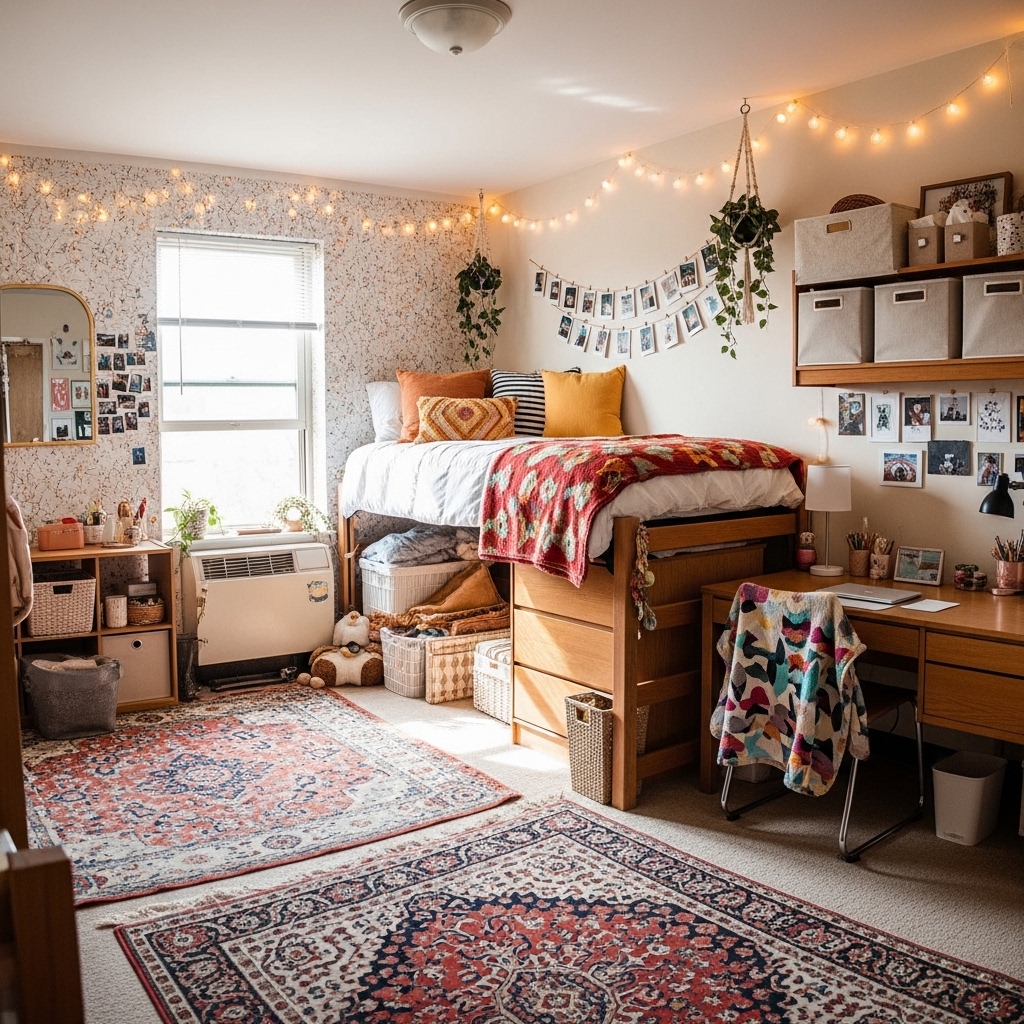
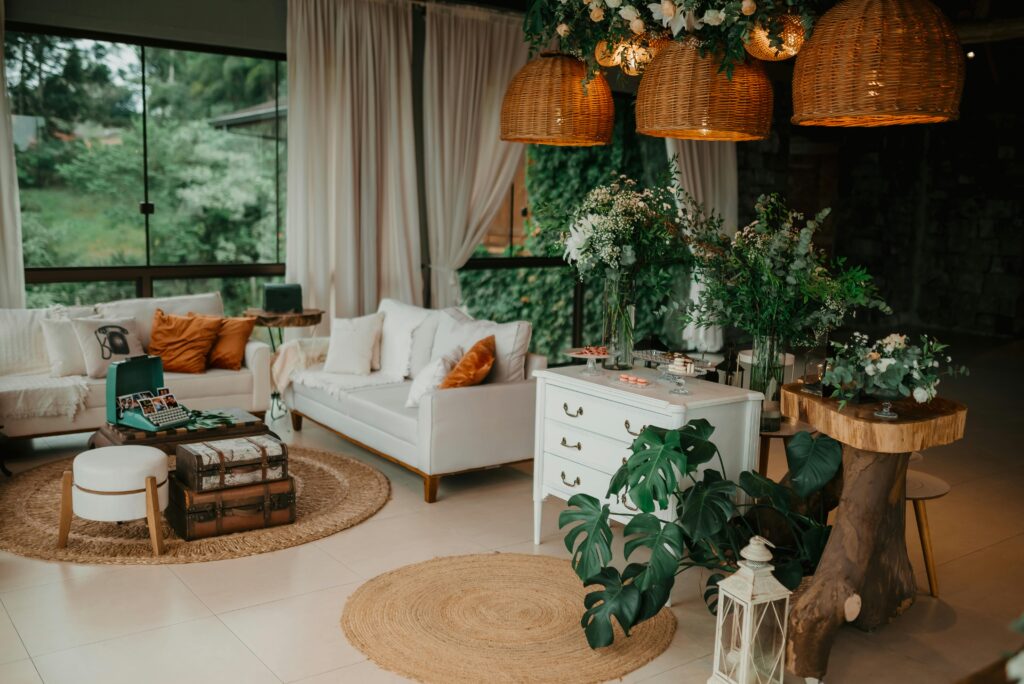
Quick Answer: Boho style (short for Bohemian) is a free-spirited, eclectic interior design aesthetic that blends natural materials, layered textures, global influences, and warm earthy colors to create a space that feels personal, relaxed, and lived-in. It celebrates individuality over perfection. You have probably scrolled past countless Pinterest boards filled with layered rugs, macrame wall hangings, and lush trailing plants and thought: I want my home to feel exactly like that. That warm, relaxed, deeply personal look has a name — boho style — and it has been one of the most beloved interior design aesthetics for decades. But what is boho style, really? Is it just about buying vintage furniture and hanging fairy lights? Or is there a method behind the beautiful chaos? In this guide, we break down everything you need to know about bohemian home decor — from its origins and key elements to color palettes and how to bring it into your own space in 2026. What Is Boho Style? The Origins Explained The word “bohemian” originally referred to unconventional artists, writers, and free thinkers who rejected mainstream society in 19th-century Europe — particularly associated with the Romani people of Bohemia (modern-day Czech Republic). They lived nomadic, artistic lifestyles, collecting beautiful objects from wherever they travelled. This spirit carried into interior design, where bohemian style became a way to decorate that reflected personal journeys, global travels, and creative self-expression. By the 1960s and 70s, it was firmly embedded in popular culture — and today in 2026, it has evolved into a more curated, intentional version of that original free-spirited vision. Modern boho style is no longer about piling everything you own into a room. It is about layering thoughtfully — blending old and new, handmade and found, natural and colourful — to create a space that feels authentically yours. The Key Elements of Boho Style Understanding what makes boho style distinctive comes down to a handful of core elements. These are the building blocks you will find in virtually every bohemian-inspired space: 1. Rich, Layered Textures Texture is the foundation of boho decor. Think plush woven rugs stacked on top of each other, macrame wall hangings, fringed cushions, chunky knit throws, and velvet upholstery. The more tactile your space, the more boho it feels. 2. Natural Materials Boho style has always had a deep connection to the natural world. Materials like rattan, bamboo, reclaimed wood, cork, and jute are staples of the aesthetic. In 2026, this has taken on added importance as eco-conscious living and sustainability have become central to the boho identity. 3. Earthy Colours With Vibrant Accents The boho colour palette is grounded in warm, earthy tones — terracotta, mustard yellow, olive green, sand, and warm beige. These are layered with jewel tone accents like deep teal, emerald, burnt orange, and ochre for depth and richness. 2026 Boho Color Tip: The trend in 2026 is shifting toward deeper, moodier tones. Dark accent walls in forest green or deep burgundy paired with warm earthy accessories give a more sophisticated, contemporary take on classic boho style. 4. Global and Cultural Influences One of the most defining characteristics of boho style is its love of global aesthetics. Moroccan poufs, Turkish kilim rugs, Indian block-printed textiles, African mud cloth, and Asian lanterns all find a natural home in bohemian spaces. These pieces tell stories and add depth that cannot be replicated with mass-produced decor. 5. Plants and Greenery No boho space is complete without an abundance of plants. Trailing pothos, oversized monstera, fiddle leaf figs, and hanging succulents all thrive in the bohemian aesthetic. Plants are not just decorative — they reinforce the connection to nature that sits at the heart of boho living. 6. Vintage, Handmade, and One-of-a-Kind Pieces Boho decor celebrates imperfection. A slightly worn vintage mirror, handmade pottery with uneven edges, or a second-hand chair with great bones are far more boho than anything purchased new from a mainstream furniture store. The beauty is in the story behind the piece. Boho Style Color Palette: What Colors Work Best? Getting the color palette right is key to achieving a cohesive boho look without it feeling cluttered. Here is a practical guide: Color Role Colors Where to Use Base Tones Warm beige, cream, sand, soft white Walls, large furniture, curtains Earthy Accents Terracotta, mustard, olive green, rust Cushions, throws, rugs, ceramics Jewel Accents Deep teal, emerald, burnt orange, ochre Statement pieces, artwork, plants Dark Anchors (2026) Forest green, deep burgundy, charcoal Accent walls, large rugs, upholstery How to Create a Boho Living Room The living room is where boho style shines brightest. Here is how to bring it together in your own space: Modern Boho Style in 2026: What Has Changed? Boho style has evolved significantly in recent years. The maximalist, anything-goes approach of the early 2010s has given way to something more intentional and refined. Here is what defines modern boho in 2026: Simple Cozy Homes TipIf you are new to boho style, start with three easy swaps: replace plain cushions with patterned ones, add a woven basket for storage, and bring in one trailing plant. You will feel the difference immediately without overwhelm. Frequently Asked Questions About Boho Style Explore More Cozy Home Decor Ideas If you love the warmth and personality of boho style, you will enjoy these related guides from Simple Cozy Homes: Final Thoughts Boho style is one of the most accessible and rewarding interior design aesthetics because it has no rigid rules. It is about creating a home that feels like you — layered with texture, warmed by earthy colour, and filled with pieces that carry meaning and personality. Whether you go all-in with a full bohemian living room transformation or simply add a kilim rug and a few plants, the essence of boho style is the same: warmth, freedom, and a space that tells your story. For more practical, cozy decorating ideas tailored to real homes and real budgets, explore the full Simple Cozy Homes blog at simplecozyhomes.com.