Author name: Simple Cozy Homes

Jacuzzi Outdoor
Home Decor

15 Stunning Jacuzzi Outdoor Ideas to Transform Your Backyard

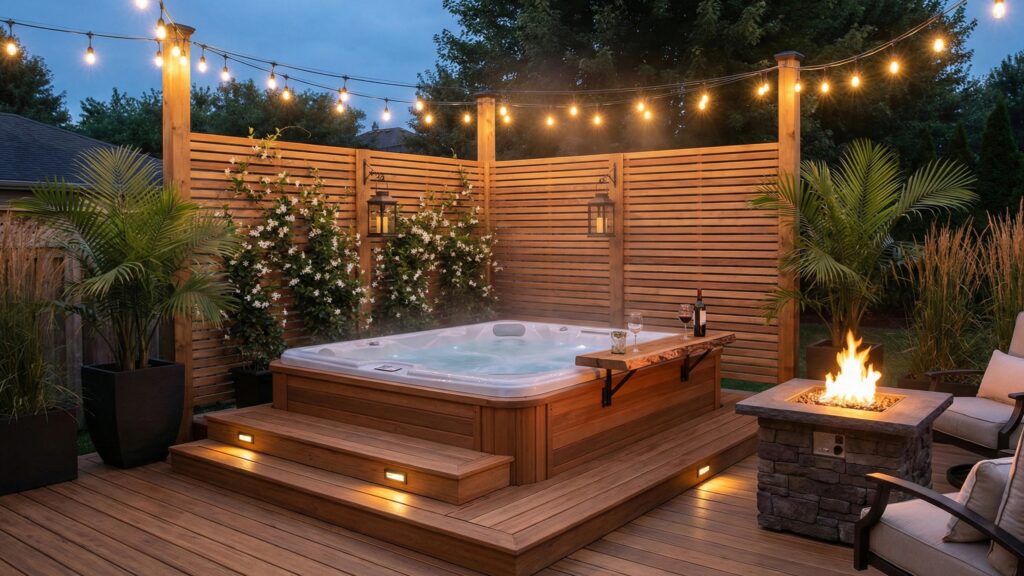
You crave that spa vibe without the awkward stranger interactions. We get it. Installing a Jacuzzi outdoor transforms your backyard into a personal sanctuary. You ditch the stress of the day the moment your toes touch the warm water. But a tub plunked in the grass looks sad. You need style. You need intention. Creating a cohesive look requires a bit of planning, but the payoff feels immense. We curated fifteen killer ideas to elevate your soak session from basic to breathtaking. Grab your coffee. We start this renovation journey right now. READ MORE: The Ultimate Guide to Cozy Home Decor for Small Homes 2026 1. Sunken Deck Integration You probably hate climbing over a high plastic wall to enter your spa. Sinking the Jacuzzi into your deck solves this clumsiness instantly. You create a seamless transition from your back door to the water. It looks expensive, but you really just built a clever box around the unit. This method hides the bulky acrylic siding that rarely matches high-end furniture. You gain a sleek profile that Pinterest loves. Seamless Access: You step right into the water without awkward climbing. This design choice prevents slips and makes the tub feel like a natural part of the landscape. Service Panels: Carpenters must leave trap doors for maintenance. You regret permanently sealing the tub the moment a pump breaks, so build smart removable panels into the decking. READ MORE: 12 Valentine’s Decor Ideas That Feel Romantic 2026 2. Privacy Screen Tactics Neighbors staring at you while you soak ruins the relaxation. You need a barrier that screams style rather than “keep out.” Building a slat wall offers airflow while blocking sightlines. You maintain a breezy feel without exposing your relaxing moments to the entire street. Choose materials that weather well, like cedar or composite, to avoid constant painting. Green Walls: You mount planters directly onto the privacy screen. Succulents or trailing ivy soften the wood look and add a lush, jungle vibe to your corner. Slat Spacing: Keep the gaps narrow for true seclusion. You want sunlight to peek through, but you definitely stop anyone from seeing more than a silhouette. READ MORE: Spring Decor Ideas: 10 Fresh Ways to Transform Your Home 2026 3. Mood Lighting Mastery Harsh floodlights kill the vibe faster than a cold splash. You want a soft glow that mimics a boutique hotel. String lights draped overhead create an instant ceiling of stars. You twist them around posts or hang them in a zigzag pattern for maximum charm. Solar stakes along the perimeter guide your late-night path without racking up electricity bills. Lantern Clusters: Group oversized lanterns in corners for drama. You fill them with flameless candles to get that flickering romance without worrying about knocking over real fire. Under-Rail LEDs: Tape LED strips under the deck railing. You cast a subtle downward glow that highlights the wood grain and prevents toe-stubbing in the dark. 4. Lush Plant Borders Concrete pads look cold and uninviting on their own. You soften those hard edges with strategic landscaping. Planting tall ornamental grasses creates a whispering sound in the wind. You feel like nature wraps you in a hug. Avoid plants that drop heavy leaves or berries, or you spend half your soak skimming debris out of the filter. Tropical Vibes: Pot large palms or ferns around the tub base. You transport yourself to a Balinese resort simply by surrounding the acrylic shell with oversized, vibrant greenery. Fragrant Herbs: Plant lavender or jasmine nearby. The steam from the hot water carries the scent, giving you free aromatherapy every time you heat up the jets. 5. Stylish Step Solutions Sometimes you cannot sink the tub. You need stairs, but those plastic ones that come with the delivery look terrible. Building custom wood steps changes the entire aesthetic. You match the stain to your deck or fence for continuity. Wide treads offer safety for wet feet. You might even extend the bottom step to create a landing zone for sandals. Wraparound Bench: Build the steps to wrap around the corner. You gain extra seating for friends who want to chat without getting wet, making the area more social. Hidden Storage: Turn the steps into hinged boxes. You stash chemicals, skimmers, and testing strips right where you need them but completely out of sight. 6. Towel Racks That Rock You freeze the second you step out of the water. Searching for a towel on the muddy ground ruins the mood. You need a dedicated spot for dry linens. Installing gorgeous hooks on a nearby fence keeps towels fluffy and within reach. Heated towel racks exist for outdoors, and you absolutely deserve that luxury. Wine Barrel Stand: Repurpose an old wine barrel next to the spa. You stack rolled towels on top and store dry robes inside, adding rustic charm to the setup. Ladder Display: Lean a teak ladder against the privacy screen. You drape colorful Turkish towels on the rungs to add a pop of pattern to the neutral wood tones. 7. The Pergola Frame Direct sunlight burns your skin and fades the Jacuzzi cover. Building a pergola defines the space and offers crucial shade. You frame the view and create an outdoor room. It feels cozy and contained. You can leave the top slats open for stargazing or cover them with polycarbonate sheets to block rain. Curtain Rods: Hang outdoor curtains on the pergola sides. You pull them shut for total isolation or tie them back to let the breeze flow through the space. Hanging Decor: Suspend a chandelier or wind chimes from the beams. You draw the eye upward and add a touch of personality that standard patio umbrellas just can’t match. 8. Natural Stone Surrounds Wood rots, but stone lasts forever. Surrounding your Jacuzzi outdoor setup with river rocks or flagstone creates an organic, spa-like feel. You bridge the gap between the plastic tub and the natural garden. Large flat stones make a stable walkway for bare feet. You avoid

Cozy Home Decor for Small Homes
Home Decor

The Ultimate Guide to Cozy Home Decor for Small Homes 2026

Budget-Friendly Ideas for Warm, Beautiful Living Creating a cozy home can feel challenging when you’re working with a small space, limited storage, or a tight budget. Many decor ideas look beautiful online but feel unrealistic in real homes—especially apartments, rentals, or compact houses. The good news? A cozy home isn’t about size or expensive furniture. It’s about comfort, warmth, intention, and smart design choices. In this guide, you’ll learn practical, realistic ways to create cozy home decor for small homes—ideas that actually work, look beautiful, and fit everyday life. Whether you live in an apartment, a small house, or a rental, this guide will help you create a home that feels warm, calm, and welcoming without clutter or overwhelm. What Makes a Home Feel Cozy? Before decorating, it’s important to understand what “cozy” really means. Cozy homes share a few common elements—no matter the style. A cozy home usually includes: Cozy does not mean crowded. In small homes, less clutter actually makes a space feel more comfortable and inviting. Cozy Home Decor Tips for Small Homes Decorating a small home requires balance. You want warmth without making the space feel tight or messy. Choose Warm, Neutral Colors Light, warm neutrals help small homes feel open while still cozy. Good options include cream, soft beige, warm gray, light taupe, and muted earth tones. You don’t need to paint everything. Even small touches—pillows, rugs, or curtains—can warm up a space instantly. Layer Textures Without Adding Clutter Texture adds coziness without taking up space. Try mixing knit or woven throws, linen or cotton cushions, natural wood accents, woven baskets, and soft rugs. In small homes, texture is more important than quantity. Use Soft, Layered Lighting Lighting is one of the fastest ways to make a home feel cozy. Instead of relying only on ceiling lights, use table lamps, floor lamps, wall sconces, or string lights/LED candles. Warm light (not bright white) instantly softens a room. Keep Decor Functional In small homes, decor should work hard. Choose items that are beautiful and useful, easy to move or store, and scaled to your space. Functional decor keeps your home cozy without clutter. Cozy Living Room Decor Ideas for Small Spaces The living room is often the heart of the home—and in small spaces, it needs extra care. Focus on Comfort First Choose seating that feels inviting: soft cushions, comfortable throws, and upholstery in warm fabrics. Even a small sofa can feel cozy with the right styling. Use Rugs to Define the Space A rug helps anchor the room and adds warmth instantly. For small living rooms, choose a rug large enough for at least the front legs of furniture and stick to warm neutrals or subtle patterns. Keep Wall Decor Simple Instead of overcrowding walls, choose 1–2 statement pieces, use shelves sparingly, and add framed prints with soft colors. Vertical decor draws the eye upward and makes the space feel larger. Cozy Bedroom Decor Ideas for Small Homes Your bedroom should feel like a retreat—even if it’s small. Layer Your Bedding Layering is key to cozy bedrooms: sheets, a soft duvet or comforter, a throw blanket at the foot of the bed, and a few pillows (not too many). This adds warmth without extra furniture. Choose Soft Lighting Avoid harsh overhead lighting in bedrooms. Use bedside lamps, warm wall lights, or soft LED candles. Low lighting creates a calming, cozy atmosphere. Keep Furniture Minimal In small bedrooms, use slim nightstands, choose furniture with storage, and avoid oversized pieces. Less furniture = more visual calm. Cozy Kitchen & Dining Decor Ideas Kitchens are often overlooked when decorating, but they can feel cozy too. Add Warm Accents Small touches make a big difference: wooden cutting boards, neutral dish towels, and simple plants or herbs. Use Open Shelving Carefully If you have open shelves, keep items minimal, stick to a consistent color palette, and mix functional items with decor. This keeps the kitchen cozy, not cluttered. Create a Cozy Dining Nook Even a small corner can feel special with a small rug, soft cushions, and warm lighting. Cozy dining spaces encourage slower, more comfortable living. Budget-Friendly Cozy Decor Ideas You don’t need to spend a lot to make your home cozy. Rearrange What You Already Have Sometimes, the best decor is already in your home. Move lamps to darker corners, rearrange furniture for better flow, and swap decor between rooms. Use DIY Decor Simple DIY ideas include framed fabric or wallpaper samples, painted thrift-store finds, or handmade wall art. DIY decor adds personality and warmth. Shop Secondhand Thrift stores and flea markets are great for baskets, lamps, wood decor, and textiles. These items often feel warmer than brand-new pieces. Minimalist Cozy Home Decor (Without Feeling Cold) Minimalism and coziness can work together beautifully. Focus on Quality Over Quantity Choose fewer items, but make sure they feel good to use, have texture, and serve a purpose. Use Warm Materials To avoid a cold look, add wood, use fabric instead of metal, and choose warm-toned neutrals. Minimalism doesn’t mean empty—it means intentional. Cozy Storage Ideas That Don’t Look Messy Storage is essential in small homes, but it doesn’t have to look utilitarian. Use Decorative Storage Try woven baskets, storage ottomans, or fabric bins. These keep clutter hidden while adding warmth. Go Vertical Use vertical space for shelves, hooks, or wall-mounted organizers. Vertical storage keeps floors clear and rooms feeling open. Hide Storage in Plain Sight Furniture with hidden storage works well in small homes: storage benches, bed frames with drawers, or coffee tables with compartments. Common Mistakes That Make Small Homes Feel Less Cozy Avoid these common decor mistakes: overcrowding rooms with furniture, using harsh, cool lighting, ignoring storage needs, choosing decor that’s too large, and filling every empty space. Cozy homes need breathing room. FAQs About Cozy Home Decor for Small Homes How do I make my home cozy on a budget?Focus on lighting, texture, and decluttering. Small changes like adding a throw blanket or moving lamps can

Valentine’s Decor
Home Decor

12 Valentine’s Decor Ideas That Feel Romantic 2026

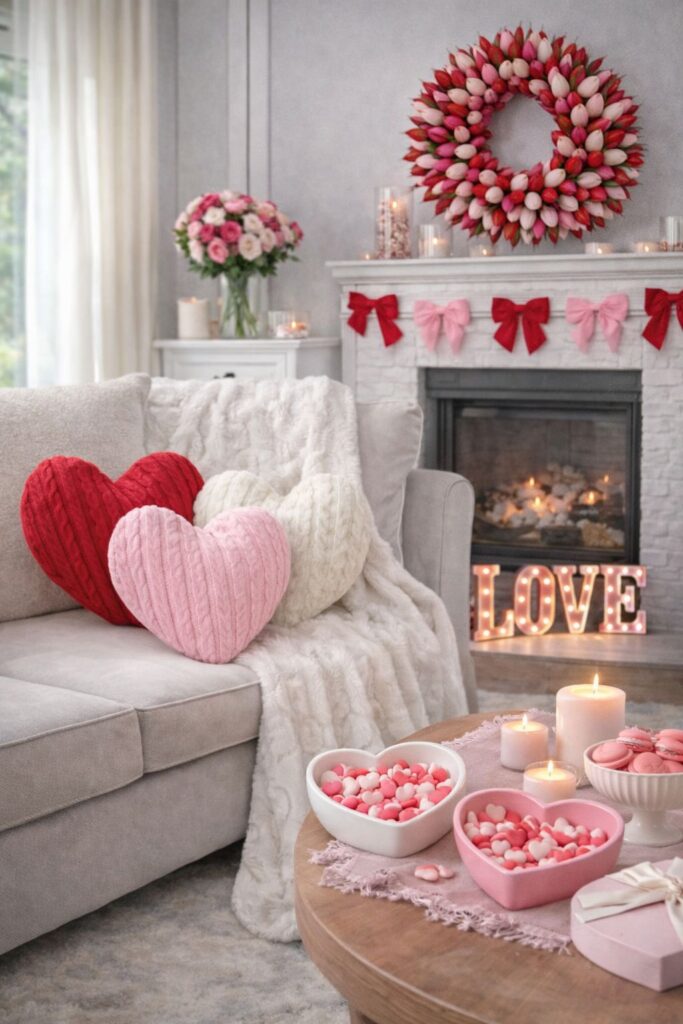
You scroll through Pinterest every February, silently judging those perfectly styled Valentine’s mantels while your own living room screams “I forgot Valentine’s Day exists.” Here’s the truth – creating swoon-worthy Valentine’s decor doesn’t require a trust fund or a design degree. Your home can look romantic and intentional without drowning in heart-shaped everything or spending your grocery budget on roses. These 12 ideas work for actual humans with real budgets, busy schedules, and a healthy skepticism about themed holidays. Whether you’re decorating for a partner, yourself, or just because your space needs some love, these tips transform your home from “meh” to “wow, you really tried.” 1. Layer Red and Pink Textiles Without Looking Like a Valentine’s Day Explosion You don’t need to replace every pillow in your house – strategic layering creates impact without overwhelming your space. The secret sits in mixing different shades and textures so your room feels curated instead of like Party City threw up on your couch. Mix warm and cool tones: Combine blush pink pillows with deep burgundy throws on your existing neutral sofa, then add a coral accent pillow to bridge the gap between shades. This gradient approach keeps things sophisticated while still screaming “Valentine’s ready.” Your eye travels smoothly across the spectrum instead of bouncing between competing colors. Vary your textures intentionally: Pair a chunky knit throw in dusty rose with smooth velvet pillows in wine red, then layer a lightweight linen runner in pale pink across your coffee table. Different materials catch light differently, adding depth that flat, same-texture schemes never achieve. You create visual interest that photographs beautifully for your own Pinterest board. READ MORE: Spring Decor Ideas: 10 Fresh Ways to Transform Your Home 2026 2. Create a Statement Wall with Paper Hearts in Unexpected Ways Paper hearts sound kindergarten-level basic until you execute them with actual style. You transform this elementary craft into gallery-worthy art by thinking beyond the traditional symmetrical heart shape and predictable arrangements. Go ombré with varied sizes: Cut hearts from cardstock in five shades ranging from white to deep crimson, graduating sizes from tiny one-inch versions to dramatic eight-inch statements. Arrange them flowing diagonally across one wall like they’re caught in wind, clustering more hearts at the bottom and scattering fewer toward the ceiling. This movement-based design tricks the eye into seeing dimension and intention. Make 3D hearts pop off the wall: Fold hearts lengthwise down the center before attaching only the fold line to your wall with removable adhesive. The sides wing out, casting shadows that change throughout the day as natural light shifts. You suddenly have sculptural art that cost approximately three dollars in materials and twenty minutes of your Saturday afternoon. READ MORE: 21 Blanket Storage Ideas That’ll Save Your Sanity 3. Fill Glass Vessels with Unexpected Red and Pink Items Vases filled with flowers work fine, but you probably want your decor to last longer than four days before wilting into sad, expensive compost. Glass containers become your Valentine’s decor MVP when you think beyond botanical options. Layer candy in clear cylinders: Fill tall glass vases with conversation hearts, red M&Ms, or pink jellybeans in distinct color-blocked layers – you create edible art that doubles as dessert later. The transparency lets light filter through, making your candy glow like stained glass. Kids love this approach because they know treats await when February 14th passes. Showcase ornaments year-round: Those red and pink Christmas ornaments gathering dust in your basement deserve a Valentine’s comeback. Pile them into a large glass bowl or hurricane vase, mixing matte and shiny finishes for contrast. You repurpose holiday decor you already own while giving your February space that polished, designer look for zero additional dollars. READ MORE: 21 Must-Have Under Sink Organizers for a Tidy Space 2026 4. String Lights in Warm Tones for Instant Romance Nothing says “love is in the air” quite like strategic lighting that makes everything look softer and more flattering. You ditch the harsh overhead fixtures for the next two weeks and embrace the glow. Wrap them around existing furniture: Wind fairy lights around your headboard, bookshelf edges, or stair railings – the key sits in choosing warm white or rose gold bulbs instead of cool white that feels clinical. The gentle illumination transforms ordinary furniture into romantic focal points without requiring any permanent changes. You create ambiance that works for Valentine’s dinner or just Tuesday night Netflix. Create a light canopy above your bed: Drape string lights across your ceiling in loose swags, securing them with clear removable hooks at intervals. This starry-sky effect makes your bedroom feel like a boutique hotel suite where romance novels are set. The installation takes fifteen minutes but delivers that “you’re really thoughtful” impression that lasts way beyond February. 5. DIY a Flower Wall Section That Photographs Like a Dream Full flower walls cost hundreds of dollars and require professional installation – but a small section above your sofa or behind your dining table gives you that Instagram-worthy backdrop for a fraction of the price. Use paper flowers for longevity: Craft stores sell pre-made paper roses and peonies in various pink and red shades that you hot-glue to a foam board base. Your creation lasts forever, never wilts, and handles close-up photos without revealing brown petal edges. You arrange them tightly in an ombré pattern, transitioning from deep red at the bottom to pale pink at the top. Mount it strategically for maximum impact: Place your flower board where natural light hits it from the side – morning light through an east-facing window works perfectly. The dimensional paper petals cast subtle shadows that make your DIY look professionally designed. You suddenly have a photo backdrop that justifies making everyone take pictures at your Valentine’s dinner party. 6. Style Your Mantel with Height Variation and Negative Space The biggest mantel styling mistake involves lining up same-height items like you’re organizing a police lineup. You want your eye to travel across varying heights while still

Spring Decor Ideas 10 Fresh Ways to Transform Your Home 2026
Home Decor

10 Fresh Spring Home Decor Ideas to Instantly Brighten Your Space 2026

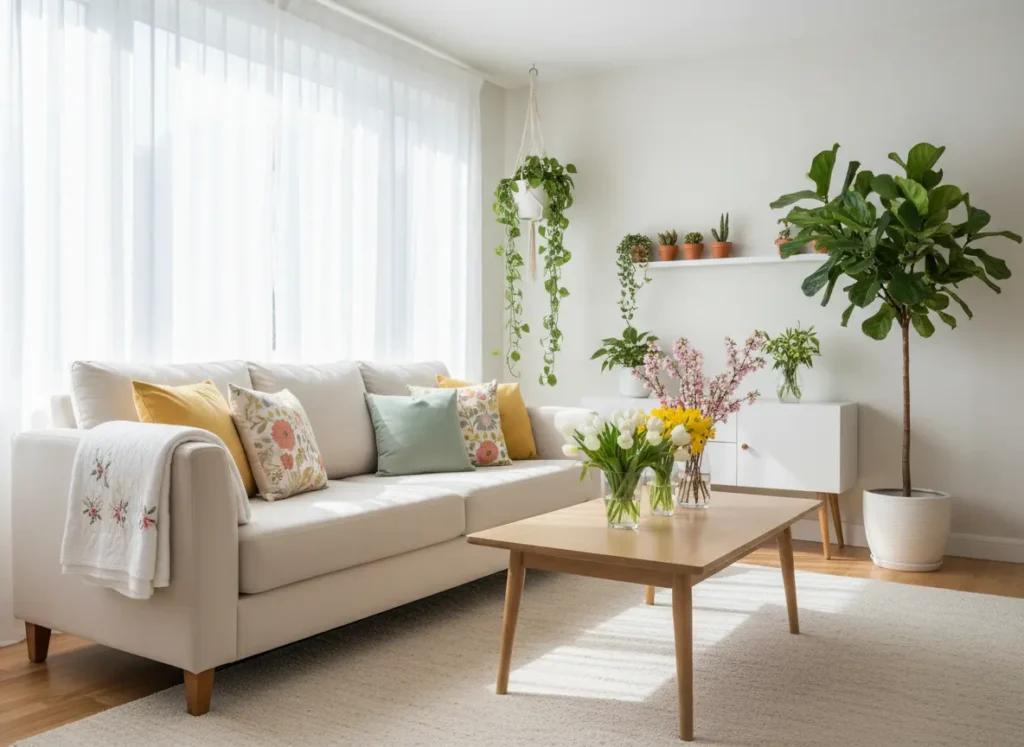
Spring Decor Ideas: Winter overstayed its welcome again, didn’t it? Your home probably looks as tired as you feel after months of gray skies and hibernation mode. Spring decor isn’t about buying everything pastel at Target – it’s about bringing actual life back into your space. You deserve a home that makes you smile when you walk through the door. Fresh flowers, bright textiles, and strategic pops of color transform rooms faster than you’d think. This guide hands you ten solid ideas that work for real homes with real budgets. You’ll refresh your space without that “I just raided a craft store” vibe nobody wants. 1. Swap Your Throw Pillows for Instant Spring Vibes Ditch the dark winter hues: You grab those burgundy and navy pillows from December and toss them in storage. Spring calls for butter yellow, soft coral, sage green, or even a bold kelly green if you’re feeling brave. Your couch transforms in literally five minutes. Look for lightweight linen or cotton covers that breathe better than those heavy velvets you’ve been suffocating under. The texture matters just as much as the color – you want your space to feel airy, not stuffy. Mix patterns without losing your mind: You pick one main pattern – maybe a floral or stripe – then add two solid colors that pull from that pattern. This keeps things interesting without making your living room look like a fabric store exploded. Three or four pillows per couch works perfectly. Too many pillows just means you spend half your life moving them to actually sit down, which defeats the whole “comfortable home” thing we’re going for here. READ MORE: These 10 Interior Design Trends Are Already Defining 2026, According to Experts 2. Bring the Outdoors In with Fresh Greenery Start with the easiest plants first: You don’t need a green thumb to keep pothos, snake plants, or succulents alive. These champions survive even when you forget they exist for two weeks. Place them on shelves, coffee tables, or windowsills where they’ll catch natural light. Real plants add oxygen and visual interest that fake ones simply can’t match. Your home feels more alive because, well, it literally is. Plus, caring for something green gives you a tiny accomplishment every time you water it. Create height variation with plant stands: You elevate some plants on stands or stack books under pots to create visual layers. This stops everything from sitting at the same boring level that makes rooms feel flat. Macrame plant hangers work great for corners that need something but don’t have floor space. You can find affordable options at thrift stores or make your own if you’re crafty. The vertical interest draws eyes upward and makes ceilings feel higher than they actually are. READ MORE: 21 Genius Shoe Storage Ideas for Every Home 3. Refresh Your Entryway with Spring-Ready Touches Swap your doormat for something cheerful: Your doormat sets the tone before anyone even steps inside. You replace that muddy winter mat with something fresh – maybe a simple “hello” or a bright striped pattern. This tiny change signals that winter’s officially over at your house. Clean or replace your door wreath too, because that dried-up evergreen situation isn’t doing you any favors. A simple grapevine wreath with a ribbon costs almost nothing but looks intentional. Add a catch-all for spring accessories: You set up a basket or bowl for sunglasses, car keys, and sunscreen near your door. Spring means you’ll actually go outside again – shocking, right? This keeps your entryway organized instead of cluttered with random stuff people dump when they walk in. A small bench or stool gives you somewhere to sit while changing shoes. These practical touches make your space work better while looking put-together. READ MORE: 20 Raised Garden Bed Ideas That’ll Transform Your Garden Space 2026 4. Layer Light Curtains for an Airy Feel Replace heavy drapes with sheer or lightweight panels: You pull down those thermal-backed curtains you needed for winter warmth. Spring deserves flowing linen or cotton panels that let sunlight filter through without turning your room into a fishbowl. White or cream sheers work everywhere, but you can try soft pastels if your room needs color. The breeze catching these curtains on a spring morning beats any expensive candle for creating atmosphere. Hang curtains higher and wider than your window: You mount your curtain rod closer to the ceiling and extend it past the window frame on both sides. This trick makes windows look massive and ceilings look taller. When you open the curtains, they stack on the wall instead of blocking light. The whole room feels more spacious and brighter. You spent the same money on curtains but got way better results just by changing where you put the hardware. READ MORE: 21 Must-Have Under Sink Organizers for a Tidy Space 2026 5. Add Fresh Flowers Without the Weekly Grocery Store Run Invest in a few quality faux stems: You buy realistic faux tulips, peonies, or cherry blossoms that don’t look plastic from three feet away. Arrange them in vases around your home for permanent spring color. Change up the arrangements seasonally but keep the good stems. This costs more upfront but saves you from spending fifteen dollars on flowers that die in a week. Your home always looks put-together even when you forgot to adulting. Create a rotation system with real flowers: You commit to one fresh bouquet every other week instead of attempting multiple arrangements you can’t maintain. Put that bouquet somewhere you’ll see it constantly – your kitchen table or bathroom counter. When fresh flowers show up regularly but realistically, they feel special instead of stressful. You clip stems from your yard if you have blooming bushes or trees. Free flowers beat store-bought every single time. 6. Lighten Up Your Coffee Table Styling Remove winter’s heavy decorative objects: You pack away those chunky candles, dark wood bowls, and winter-themed books cluttering your coffee table. Spring styling needs breathing room.

Interior Design Trends
Home Decor

These 10 Interior Design Trends Are Already Defining 2026, According to Experts

Interior Design Trends: The design world is experiencing a dramatic shift in 2026, and your home deserves to come along for the ride. We’re moving from stark minimalism to warm maximalism, from untouchable perfection to lived-in authenticity, and from neutral safety to bold color commitments. Interior designers across the country agree – this year is about creating spaces that feel deeply personal, comfortably layered, and authentically you. “If 2025 has been the year of rediscovering warmth and personality, then 2026 is shaping up to be the year we fully commit to it,” says Ashley Rose Walsh, interior designer at Mojo Stumer Associates. Here are the ten trends professionals say will define how we design and live in our homes this year. 1. The Cocoon Bedroom Creates Ultimate Comfort Bedrooms are shedding their minimalist coldness for something infinitely cozier – the cocoon trend wraps you in comfort the moment you walk through the door. Think padded headboards, upholstered wall panels, and layers upon layers of soft textures that create an intimate retreat from the overstimulated world outside. Interior designer Zoë Feldman explains this trend delivers exactly what people crave – a soulful reprieve from technology and harsh modern lines. Sculptural shapes replace rigid lines: Curves, asymmetry, and handcrafted pieces bring organic warmth into cocoon bedrooms. Forget the straight edges that dominated the last decade – 2026 bedrooms embrace flowing forms that feel human and inviting. Luxurious fabrics add depth: Silk, mohair, and washed linen create tactile richness while softening room acoustics. These materials give bedrooms a quietly tailored finish that feels expensive without screaming for attention, and they age beautifully over time. READ MORE: 21 Blanket Storage Ideas That’ll Save Your Sanity 2. Unlacquered Metals That Age With Character Shiny, pristine finishes are losing ground to metals that tell stories through their patina – unlacquered brass leads this honest materiality movement that celebrates imperfection as beauty. Homeowners are finally done chasing surfaces that look showroom-perfect forever, instead embracing finishes that evolve and develop character as years pass. The beauty of natural aging: Unlacquered brass, aged bronze, and hand-rubbed metals develop unique patinas that add warmth and depth to spaces. Each piece ages differently based on use and environment, creating one-of-a-kind finishes that reflect your home’s specific story and rhythm. Easy updates make big impact: Swapping cabinet hardware or faucets to unlacquered brass requires no renovation but transforms your space immediately. The patina develops naturally without any maintenance effort, adding sophisticated character that actually improves with time rather than fighting against it. 3. Natural Wall Treatments Replace Synthetic Finishes Walls are going organic in 2026 with raw woods, natural fabrics, and low-VOC materials taking over from synthetic treatments that feel manufactured and flat. Architect Elliot March notes growing demand for materials that prioritize both resident health and environmental impact, reflecting increased education about what we’re actually bringing into our homes. Health-conscious choices matter: Low-VOC paints and treatments reduce indoor air pollution while creating healthier living environments. These options prove you don’t have to sacrifice style for safety – natural materials often look more sophisticated and age more gracefully than chemical-heavy alternatives. Texture creates visual interest: Raw wood planks, woven grasscloth, and organic plaster finishes add dimensional beauty that flat paint never achieves. These textured treatments catch light differently throughout the day, creating dynamic walls that feel alive rather than static backdrops. 4. Patterned Textiles With Provenance Tell Stories Generic prints are out – textiles with history, craft, and soul are defining 2026 interiors through drapery, canopies, and upholstery that feel collected rather than purchased. Designer Zoë Feldman emphasizes these patterns bring longevity and story to rooms, never feeling mass-produced or disposable like fast-fashion home goods. Artisanal patterns add authenticity: Block prints, hand-loomed stripes, and antique-inspired florals carry cultural heritage and craftsmanship into modern homes. These textiles connect your space to traditional techniques and real artisans, adding depth that machine-made patterns simply cannot replicate. Mix pattern scales strategically: Combining different pattern sizes creates visual rhythm without overwhelming chaos. Large-scale florals pair beautifully with fine striped details, while geometric accents ground organic prints – the key is varying scale while maintaining a cohesive color story throughout. 5. Curated Maximalism Replaces Stark Minimalism The “less is more” era is officially over – 2026 embraces “more is more” through layered textures, bold colors, and collected pieces that create homes with personality and soul. Interior designer Marianne Jones sees this shift fueled by post-pandemic fatigue with cold minimalism and a renewed craving for self-expression in our most personal spaces. Personal stories take center stage: Vintage heirlooms, collected art, and sculptural furniture combine to tell your unique narrative. Curated maximalism isn’t about randomly cramming stuff into rooms – it’s about thoughtfully displaying meaningful pieces that reflect your experiences, travels, and values. Layering creates richness: Millwork, one-of-a-kind pieces, and mixed textiles in fabrics, pillows, and upholstery build visual depth. This approach accumulates over time rather than happening overnight, creating spaces that feel genuinely lived in and loved rather than staged for a magazine shoot. 6. Hospitality-Inspired Design Brings Hotel Luxury Home Your home is borrowing from five-star hotels with residential spaces incorporating elevated amenities and thoughtful services that make everyday living feel special. Designer Elliot March notes the growing fluidity between hospitality and home design – because who wouldn’t want to live surrounded by the magic hotels create? Elevated everyday experiences: Hotel-inspired design focuses on small luxuries that improve daily life – perfectly placed lighting, quality linens, and intuitive layouts. These details transform mundane routines into moments of pleasure, bringing vacation-level comfort into your permanent residence. Functional beauty matters: Hospitality design excels at making spaces both gorgeous and highly functional. Apply this principle by ensuring every beautiful element also serves a purpose, whether that’s a stunning mirror that improves room light or a decorative tray that corrals everyday items. 7. Layered Interiors Emphasize Quality Over Trends Flat, one-dimensional rooms are giving way to richly layered interiors that exemplify quality and character built to withstand changing trends. Designer Maria

How to Start a Garden A Beginner’s Step-by-Step Guide
Garden

How to Start a Garden: A Beginner’s Step-by-Step Guide 2026

Starting a garden is one of the most rewarding habits you can develop, whether your goal is to grow fresh vegetables, beautify your home, or simply relax in nature. If you’ve ever wondered how to start a garden but felt overwhelmed by soil types, tools, or plant choices, you’re not alone. Many beginners delay gardening because they think it’s complicated or time-consuming. The truth is, gardening can be simple, affordable, and enjoyable when you follow the right steps. This beginner-friendly guide will walk you through everything you need to know—from choosing garden ideas for beginners to planning your vegetable garden layout, selecting the best soil, growing herbs, and managing pests naturally. By the end, you’ll have the confidence to start your own garden and watch it thrive. READ MORE: 21 Genius Shoe Storage Ideas for Every Home Garden Ideas for Beginners One of the first steps in learning how to start a garden is deciding what type of garden suits your space and lifestyle. Beginners often succeed best when they start small and simple rather than trying to grow everything at once. A few smart garden ideas for beginners include container gardening, raised beds, and small in-ground plots. Container gardening is ideal if you live in an apartment or have limited outdoor space. Pots, grow bags, and planters allow you to grow vegetables, herbs, and flowers on balconies, terraces, or patios. Raised bed gardens are another excellent option because they provide better drainage, improved soil quality, and easier weed control. For those with a backyard, a small in-ground garden with just a few plants is a great way to start without feeling overwhelmed. As a beginner, it’s also wise to choose plants that grow quickly and don’t require advanced care. Leafy greens like spinach and lettuce, vegetables like tomatoes and chillies, and herbs like basil and mint are beginner-friendly choices. These plants grow fast, tolerate minor mistakes, and give visible results that keep you motivated. READ MORE: 21 Clever Garage Storage Ideas for Small Spaces Planning Your Vegetable Garden Layout A well-planned vegetable garden layout plays a major role in how successful your garden will be. Before planting anything, take time to observe your space. Notice how many hours of sunlight the area receives, where water collects after rain, and whether strong winds affect the plants. Most vegetables need at least six to eight hours of direct sunlight daily to grow properly. When planning your layout, avoid overcrowding plants. Each vegetable needs space for roots to grow and air to circulate. Raised beds or rows should be arranged so taller plants like tomatoes or corn don’t block sunlight from shorter crops. Group plants with similar water and nutrient needs together to make watering and feeding easier. Another important factor is accessibility. Leave walking paths between beds so you can easily water, prune, and harvest your crops. A well-organized vegetable garden layout not only improves plant health but also saves time and effort in daily maintenance. Thoughtful planning at the beginning prevents common problems like poor growth, pest issues, and uneven yields later. READ MORE: 21 Blanket Storage Ideas That’ll Save Your Sanity Choosing the Best Soil for a Home Garden Soil is the foundation of any successful garden, and understanding the best soil for a home garden can dramatically improve plant health. Healthy soil should be loose, well-draining, and rich in organic matter. Most plants thrive in loamy soil, which is a balanced mix of sand, silt, and clay. If your soil is too hard or clay-like, plant roots may struggle to grow. Sandy soil, on the other hand, drains too quickly and doesn’t retain nutrients well. You can improve almost any soil type by adding compost, well-rotted manure, or organic matter. Compost not only enriches the soil with nutrients but also improves its structure and water-holding capacity. Before planting, loosen the soil using a garden fork or spade and remove stones and weeds. Mixing compost into the top layer helps prepare a nutrient-rich environment for seeds and seedlings. Healthy soil reduces the need for chemical fertilizers and supports long-term garden success. Essential Tools Every Beginner Gardener Needs You don’t need expensive equipment to start gardening, but having a few basic tools makes the process easier and more enjoyable. Essential tools include a hand trowel for planting, a garden fork for loosening soil, pruning shears for trimming plants, and a watering can or hose with a gentle spray setting. Quality tools last longer and reduce strain on your hands and back. Keeping tools clean and dry after use prevents rust and extends their lifespan. As your garden grows, you can gradually invest in additional tools, but starting with the basics is more than enough for beginners. Starting a Kitchen Herb Garden A kitchen herb garden is one of the easiest and most rewarding ways to begin gardening. Herbs require minimal space, grow quickly, and can be harvested regularly for cooking. If you’re learning how to start a garden, herbs are a perfect entry point. You can grow herbs indoors on a sunny windowsill or outdoors in containers. Popular beginner herbs include basil, mint, coriander, parsley, rosemary, and thyme. Most herbs prefer well-draining soil and moderate watering. Overwatering is a common mistake, so always check soil moisture before adding more water. Having a kitchen herb garden not only saves money but also adds fresh flavor to your meals. Regular harvesting encourages healthy growth and keeps plants productive throughout the season. Organic Pest Control for a Healthy Garden Pests are a common concern for new gardeners, but managing them doesn’t require harsh chemicals. Using organic pest control methods helps protect your plants while keeping your garden safe for people, pets, and beneficial insects. Simple techniques include hand-removing pests, spraying plants with neem oil, and encouraging natural predators like ladybugs. Companion planting is another effective strategy. For example, marigolds help repel harmful insects, while basil can protect nearby vegetables. Healthy plants grown in nutrient-rich soil are naturally more resistant to pests and

Under Sink Organizers
Storage Ideas

21 Must-Have Under Sink Organizers for a Tidy Space 2026

You know that chaotic cabinet under your kitchen or bathroom sink? The one where cleaning supplies tumble out like an avalanche every time you open the door? Yeah, that disaster zone doesn’t have to stay a black hole of lost sponges and mystery bottles. With the right organizers, you can actually see what you own – imagine that. You’ll stop buying duplicate dish soap because you forgot you had three bottles hiding in the back. Smart storage turns wasted space into a functional setup that makes daily tasks smoother. Let’s fix that mess together, one clever organizer at a time, so you can finally reclaim that cabinet. 1. Sliding Drawer Systems Give You Easy Access Two-tier sliding drawers maximize vertical space: These puppies pull out completely so you reach everything without contorting yourself into a pretzel. You stack cleaning supplies on the bottom tier and dish soap, sponges, and scrubbers up top. No more digging behind the pipes to find that bottle of wood polish you bought six months ago. The smooth glide mechanism means even your fully-loaded drawers slide out effortlessly. Deep drawers accommodate tall bottles perfectly: Your jumbo-sized cleaner bottles fit standing upright instead of tipped over and leaking everywhere. You organize by category – glass cleaners together, surface sprays in another section – and suddenly you’re not frantically searching during cleaning day. The drawer sides keep bottles from tipping when you pull the unit out, which saves you from those annoying spills. Read More: https://simplecozyhomes.com/hat-storage-ideas/ 2. Stackable Bins Create Customizable Storage Clear plastic bins let you spot items instantly: You see exactly what’s inside without playing a guessing game or removing every single bin. Label them by category – “bathroom,” “kitchen,” “laundry” – and you’ve got a system that actually makes sense. These bins come in various heights, so you fit them around those pesky pipes that eat up space. Stack two or three high depending on your cabinet depth. Square shapes use space more efficiently than round: Round containers waste precious real estate in corners and along edges. Square bins fit together like Tetris pieces, leaving minimal gaps. You fill your entire cabinet width without awkward empty spots where dust bunnies collect. Plus, you can pull out individual bins without disturbing the whole stack when you need something specific from the back row. Read More: https://simplecozyhomes.com/shoe-storage-ideas/ 3. Over-the-Cabinet-Door Organizers Add Bonus Space Mounted racks hold frequently-used items: Your dish gloves, sponges, and scrub brushes hang right there on the door’s inside panel. You grab them without crouching down or rummaging through anything. These organizers typically feature multiple pockets or hooks – some even include a towel bar at the bottom. The installation takes about thirty seconds with the included hooks that slip over your cabinet door’s top edge. Wire baskets keep spray bottles upright and accessible: Those trigger-spray bottles that always tip over? Now they stand at attention in fitted slots designed specifically for them. You organize by room or purpose, and everything you need lives in one visible spot. The wire construction means drips dry quickly instead of pooling in a solid container, which prevents that gross sticky residue buildup. 4. Lazy Susans Spin Your Supplies Into View Rotating platforms bring back-corner items forward: You spin the turntable and suddenly that furniture polish hiding behind the plumbing materializes. No more dead zones where products go to retire and collect dust. These work brilliantly in corner cabinets where depth makes reaching impossible. One quick rotation and you’ve surveyed your entire inventory without moving a single bottle manually. Multi-tier versions double your storage capacity: Stack two levels on one Lazy Susan and you’ve got cleaning supplies on the bottom, smaller items like sponges and cloths up top. The elevated tier sits on a center post, creating distinct zones that keep categories separated. You’re not mixing bathroom cleaners with kitchen products, which prevents those embarrassing moments when you accidentally grab toilet bowl cleaner for your countertops. 5. Tension Rods Create Vertical Dividers Mount rods horizontally to hang spray bottles: Thread the trigger grips over a tension rod installed front-to-back in your cabinet. Your spray bottles dangle in a neat row, freeing up floor space below for other items. This hack costs about three dollars and takes ten seconds to install. You access each bottle individually without disturbing neighbors, and they drip-dry naturally. Stack rods vertically to corral cutting boards and lids: Run tension rods from top to bottom to create narrow slots. Slide pot lids, baking sheets, or cutting boards into these custom dividers. They stand upright like files instead of stacking flat and creating that annoying avalanche effect. You pull out the one you need without dismantling a precarious tower of kitchen gear. 6. Pull-Out Trash and Recycling Combos Save Floor Space Dual-bin systems separate waste efficiently: One side gets trash, the other handles recycling, and both slide out smoothly when you need them. You’re not tripping over a separate recycling bin sitting on your kitchen floor anymore. These units mount to your cabinet door or base, utilizing space that would otherwise store random cleaning supplies. Most accommodate standard-size trash bags with room to spare. Soft-close mechanisms prevent cabinet-door damage: Ever had someone slam the trash cabinet shut and rattle your whole kitchen? These gliding systems close gently and quietly. You also avoid that jarring crash when the bin swings back after you toss something in. The smooth action means your cabinet doors last longer without loose hinges or scratched paint from repeated impacts. 7. Wire Shelf Risers Double Your Usable Surface Elevated platforms create two storage levels: Place a riser on your cabinet floor and suddenly you’ve got ground-level storage plus a second tier above. Short items like sponge packs and scrubbers fit underneath while taller bottles occupy the top platform. You’ve essentially built a second shelf without drilling holes or permanent installation. These cost less than fancy drawer systems but deliver serious organizational power. Open wire design maintains visibility throughout: Unlike solid shelves that

Raised Garden Bed Ideas
Garden

20 Raised Garden Bed Ideas That’ll Transform Your Garden Space 2026

You know that feeling when you’re squatting in your garden, knees screaming, back aching, wondering why you thought ground-level gardening was a good life choice? Raised garden beds fix that—and so much more. They give you better drainage, warmer soil that wakes up faster in spring, and actual control over what your plants are growing in. No more fighting clay or sand you didn’t ask for. They look intentional, keep weeds manageable, and turn any patch of yard into a proper growing space. Here’s everything you need to know. 1. Cedar Raised Beds for the Long Haul Cedar costs more upfront, but it’s the friend who actually shows up when you need them. This wood naturally resists rot and bugs without chemical treatments, so you’re not wondering what’s leaching into your tomato roots. A cedar bed can last 10-15 years with zero maintenance beyond the occasional dusting off of leaves and existential dread. Why cedar wins over pine: Pine needs treatment to survive more than two seasons, and treated lumber near edibles makes some gardeners twitchy. Cedar weathers to a gorgeous silvery gray that looks expensive without trying. Best height for less bending: Go for 24-30 inches tall if your back has opinions about gardening. You’ll spend more on materials, but your spine will write thank-you notes. Shorter beds work fine if you’re young, optimistic, or very into squats. Read More: 21 Stunning Thanksgiving decor ideas for your home 2. Galvanized Metal Beds That Look Ridiculously Good Metal raised beds showed up and said “we’re here to look sharp and outlast your commitment to sourdough.” Galvanized steel won’t rot, splinter, or host termites, and it brings that modern farmhouse vibe Pinterest dreams are made of. They heat up faster in spring, which cool-climate gardeners love and desert gardeners need to plan around. Round vs. rectangular: Round galvanized beds soften hard landscaping and fit awkwardly shaped spaces like pros. Rectangular ones maximize growing space and line up neatly if you’re into that organized garden look. Watch the afternoon sun: Metal conducts heat, so roots near the edges can cook in blazing sun. Add extra mulch around the perimeter or position beds where they’ll get afternoon shade. Your lettuce will thank you by not bolting in May. Read More: 21 Coastal Christmas Decorations That’ll Make Your Beach House Merry 3. Composite Material Beds for the Zero-Maintenance Crew Composite lumber is recycled plastic and wood fiber having a baby that never rots. These beds cost more than basic wood but require literally zero upkeep—no staining, no sealing, no weekend projects you’ll avoid for three months. They look like wood, act indestructible, and laugh at weather. Color choices matter: Darker composites absorb more heat, which northern gardens appreciate and southern gardens need to consider carefully. Lighter colors stay cooler and often look cleaner longer, though they may show dirt more readily. Weight is your friend: Composite beds are heavy, which sounds annoying until you realize they’re not going anywhere in a storm. No shifting, no gradual sinking into soft ground. Set them once and forget about adjustments forever. Read More: 21 Genius Shoe Storage Ideas for Every Home 4. Stacked Stone Beds That Scream Permanent Garden Goals Stacked stone or concrete block beds are the garden equivalent of getting that tattoo you’ve wanted forever—they’re staying put, so choose your spot wisely. They provide incredible drainage, warm up beautifully in spring, and look like you hired a landscaper even when you absolutely didn’t. Dry-stack vs. mortared: Dry-stacked stone lets you adjust things and provides drainage between blocks. Mortared beds are truly permanent and won’t shift, but they’re harder to modify if you change your mind about that tomato placement. Height planning: Going above 18 inches with stone means considering structural support. Gravity has opinions about tall stone walls. Shorter beds avoid engineering headaches and still give you most benefits, including keeping rabbits confused about entry points. Read More: 21 Clever Garage Storage Ideas for Small Spaces 5. Keyhole Gardens for Maximum Efficiency and Showing Off Keyhole gardens look like someone took a round raised bed and cut a slice for access to a central compost basket that feeds everything. You walk into the center, dump kitchen scraps, and nutrients spread outward while you harvest from all sides. It’s gardening geometry that actually makes sense. Perfect for small spaces: A 6-foot diameter keyhole bed produces shocking amounts of food in minimal square footage. The composting center means you’re constantly feeding the bed without hauling amendments around like some kind of garden packhorse. Build the center right: Use wire mesh or a ventilated plastic basket for the compost core—it needs airflow. Line it with straw or cardboard to keep things from falling through while materials break down and feed your plants dinner. Read More: 21 Hat Storage Ideas That’ll Make Your Home Look Magazine-Worthy 6. Hugelkultur Beds That Use Logs You’d Otherwise Burn Hugelkultur is German for “hill culture” and involves burying logs and branches under your garden bed like you’re creating a wooden sponge that slowly feeds plants. Sounds weird, works beautifully, uses yard waste productively. The wood breaks down over years, holding moisture and releasing nutrients. Start with hardwood logs: Softwoods work but break down faster. Hardwoods like oak create structure that lasts, though they take longer to decompose. Avoid black walnut—it’s juglone content murders tomatoes and other plants without remorse. Layer like lasagna: Logs on the bottom, smaller branches next, then leaves and grass clippings, then compost and soil. The mound settles as wood decomposes, so build it taller than you think necessary. Water less often because buried wood holds moisture like a secret. Read More: 21 Blanket Storage Ideas That’ll Save Your Sanity 7. Corrugated Roofing Panel Beds on a Budget Leftover metal roofing panels make shockingly good raised beds for almost no money. They’re already designed to handle weather, they last forever, and that corrugated texture adds unexpected visual interest. Hardware stores often have dented or discontinued panels on clearance that

Home Decor

21 Stunning Thanksgiving decor ideas for your home 2026

You scroll through Pinterest every November and see those magazine-perfect Thanksgiving spreads, right? The ones that make you wonder if normal humans actually live in those houses. Here’s the truth – you can create that cozy, festive vibe without hiring a professional stylist or spending your grocery budget on pumpkins. Your home deserves some autumn love, and these ideas work for real people with real budgets. Most of these tricks use stuff you already own or can grab at the dollar store. We’re talking simple swaps, quick DIYs, and clever arrangements that look expensive but cost practically nothing. Ready to transform your space into a harvest haven? 1. Layer Your Table Runner with Burlap and Lace You create instant texture by combining two fabric runners instead of using just one boring cloth. This trick adds depth without requiring any sewing skills or fancy materials. The Base Layer Strategy: Start with a burlap runner down the center of your table, letting it hang about six inches over each end. The rough texture gives you that rustic farmhouse vibe everyone loves, and burlap costs next to nothing at craft stores. You can even fray the edges yourself for extra character – just pull a few threads loose and embrace the imperfect look. The Delicate Top Layer: Place a narrower lace runner directly on top of the burlap, offsetting it slightly to show both textures. The contrast between rough and refined creates visual interest that photographs beautifully. White or cream lace works best, but you can try blush pink for something unexpected. Read More: 21 Coastal Christmas Decorations That’ll Make Your Beach House Merry 2. Fill Hurricane Vases with Seasonal Layers Those tall glass cylinders sitting in your cabinet finally get their moment to shine. You build beautiful centerpieces by layering different autumn elements inside these simple containers. The Foundation Trio: Drop dried corn kernels in the bottom third of your hurricane vase, creating a golden base layer. Add cranberries in the middle section for a pop of deep red color. Top it off with mini pumpkins or gourds that sit right at the rim level, and stick a pillar candle in the center. The layers stay separated naturally, and you change them out easily when December rolls around. The Wheat Bundle Option: Fill your hurricane with dried wheat stalks tied with twine, standing upright like a golden bouquet. Tuck in some preserved fall leaves around the edges for color variation. This approach costs about three dollars if you hit the craft store sales, yet it looks like you raided an expensive home goods boutique. Read More: 21 Genius Shoe Storage Ideas for Every Home 3. Create a Gratitude Tree with Branches You turn bare branches into an interactive decoration that gets your guests involved. This centerpiece doubles as a conversation starter and meaningful keepsake. Branch Preparation Basics: Find sturdy branches from your yard – look for ones with interesting shapes and multiple offshoots. Spray paint them gold, copper, or leave them natural depending on your style. Secure them in a weighted vase filled with river rocks or floral foam, making sure they stand stable enough that curious kids won’t knock them over during dinner. The Tag System: Cut leaf-shaped tags from cardstock in autumn colors like burnt orange, mustard yellow, and deep burgundy. Punch holes in them, thread with twine, and scatter them near the tree with markers. Your guests write what they’re grateful for and hang the tags on branches throughout the evening, building a beautiful display of thankfulness that you can photograph and treasure. Read More: 21 Clever Garage Storage Ideas for Small Spaces 4. Stack Vintage Books as Risers Those old hardcovers collecting dust finally earn their keep as functional decor pieces. You create height variation on your surfaces without buying expensive pedestals. The Stacking Technique: Choose books with fall-colored spines – think rust, brown, cream, and forest green. Stack three to five books in descending size order, creating stable platforms at different heights. Place small pumpkins, candles, or floral arrangements on top of each stack, and suddenly your mantel or buffet table has professional-looking dimension. The Title Selection Trick: Face books outward to show off relevant titles or pretty covers that add to your theme. Cookbooks, garden guides, or classics with leather binding work beautifully. You can even wrap some books in kraft paper or fabric tied with twine if the original covers clash with your color scheme. Read More: 21 Hat Storage Ideas That’ll Make Your Home Look Magazine-Worthy 5. Arrange Pumpkins in Unexpected Places Stop limiting your gourds to the front porch – you scatter them throughout your home for maximum impact. Pumpkins cost less than most floral arrangements and last way longer too. The Bathroom Counter Surprise: Place a small white pumpkin next to your soap dispenser with a sprig of eucalyptus. The unexpected location makes guests smile, and it takes literally five seconds to set up. You can use real or faux pumpkins depending on whether you want to cook with them later or store them for next year. The Bookshelf Integration: Tuck mini pumpkins and gourds between books on your shelves, treating them like decorative objects. Mix in some cinnamon-scented pinecones for an autumn smell that doesn’t require plugging in a warmer. This approach spreads the festive feeling throughout your entire space instead of concentrating it in one room. Read More: 21 Blanket Storage Ideas That’ll Save Your Sanity 6. Drape Garland Across Your Mantel You create an instant focal point by swaging greenery across your fireplace. This classic move never goes out of style, and you customize it endlessly. The Eucalyptus Base: String fresh or faux eucalyptus garland across your mantel, letting it drape naturally rather than pulling it tight and straight. The cascading effect looks organic and expensive. Secure it with clear fishing line or small nails pounded into the underside where nobody sees them, and adjust the swags until they please your eye. The Embellishment Layer: Weave in fall

Coastal Christmas Decorations
Home Decor

21 Coastal Christmas Decorations That’ll Make Your Beach House Merry

You love the beach, you love Christmas, and you’re absolutely done with the same old red-and-green routine everyone else drags out every December. Coastal Christmas decorations blend sandy shores with snowy cheer, giving you that breezy, sun-kissed vibe without sacrificing holiday magic. Think weathered driftwood paired with twinkling lights, seashells nestled in garland, and blues that remind you of ocean waves. This style works whether you live steps from the surf or smack in the middle of landlocked suburbia. You create a space that feels fresh, personal, and refreshingly different from your neighbor’s inflatable Santa army. 1. Driftwood Christmas Trees That Skip the Pine Needles Stack Your Way to Rustic Charm: You gather pieces of driftwood in varying lengths and stack them horizontally on a wall or vertically on a base to form a tree shape. The weathered gray tones bring instant coastal character, and you skip the vacuuming of pine needles that haunts you through January. Drill small holes to string lights through the wood, or wrap fairy lights around each piece for a soft glow that feels beachy and festive. Freestanding Sculptures That Double as Art: You arrange driftwood branches in a tall vase or bucket filled with sand to create a three-dimensional tree. Hang small ornaments, starfish, or sand dollars from the branches using thin twine or fishing line. This version works beautifully in tight spaces where a full tree feels like overkill, and you can reuse the driftwood for other coastal projects after the holidays wrap up. Read More: 21 Genius Shoe Storage Ideas for Every Home 2. Seashell Ornaments Straight from Your Beach Walks Paint and Personalize Your Finds: You take those shells you’ve been hoarding in jars and transform them into ornaments with a little metallic paint or glitter. Add a small loop of twine through a drilled hole, and suddenly you’ve got decorations that cost nothing but carry actual memories from your favorite beach trips. White and gold combinations look elegant, while aqua and silver lean more playful and modern. Create Mini Beach Scenes in Clear Baubles: You fill clear glass or plastic ornaments with sand, tiny shells, and maybe a miniature starfish or piece of sea glass. These little beach universes capture the coast in a way that store-bought ornaments never could, and they make fantastic gifts for fellow beach lovers. Seal the top with a ribbon in coastal colors, and you’ve got ornaments that spark conversations every time someone spots them on your tree. Read More: 21 Clever Garage Storage Ideas for Small Spaces 3. Rope-Wrapped Everything for Instant Nautical Vibes Transform Plain Vases and Candle Holders: You grab natural jute rope and hot glue it around glass vases, mason jars, or candlesticks in tight spirals. The texture adds dimension and that unmistakable nautical feel without screaming “I’m trying too hard to be coastal.” Fill the wrapped vessels with white flowers, greenery, or battery-operated candles for centerpieces that work from Thanksgiving straight through New Year’s. Upgrade Your Wreath with Thick Rope Borders: You wrap a grapevine or foam wreath base with chunky rope, securing it with glue as you go. Add shells, starfish, or small ornaments tucked between the rope layers for pops of color and texture. This base works year-round if you swap the decorations seasonally, making it a smart investment for your front door that doesn’t scream “Christmas in July” when you forget to take it down. Read More: 21 Hat Storage Ideas That’ll Make Your Home Look Magazine-Worthy 4. Blue and White Color Schemes That Feel Like Ocean Spray Layer Different Shades for Depth: You mix navy, aqua, sky blue, and crisp white to create a palette that mimics ocean depths and seafoam. This combination feels sophisticated and intentional, not matchy-matchy like those pre-coordinated decorator sets. Use darker blues in larger pieces like throw pillows or table runners, and lighter shades in smaller accents like ornaments or candles. Add Metallic Silver for Sparkle Without Gold Overload: You incorporate silver in your lights, ornament hooks, and ribbon to give your coastal scheme that holiday shimmer. Silver reads cooler than gold, which keeps the beachy vibe intact while still delivering the festive sparkle Christmas demands. Mercury glass votives and silver-dipped pinecones work particularly well as bridge pieces between coastal and traditional holiday styles. Read More: 21 Blanket Storage Ideas That’ll Save Your Sanity 5. Starfish Tree Toppers That Beat Boring Angels Go Large and Dramatic: You crown your tree with an oversized white or natural starfish instead of the traditional star or angel that everyone expects. The five-pointed shape still gives you that star reference Christmas trees demand, but with a coastal twist that makes guests do a double-take. Secure it firmly with wire, because the last thing you need is your statement piece crashing down at 2 a.m. Create a Cluster for Smaller Trees: You wire together three or four medium starfish in different sizes to form a dimensional topper. This approach works beautifully on tabletop trees or narrow trees where a single large starfish might look awkward. Spray paint them white, silver, or leave them natural depending on your color scheme, and you’ve got a custom topper that costs less than those fancy ones at boutique stores. 6. Fishing Net Backdrops for Coastal Photo Ops Drape Netting as Wall Decor: You hang fishing nets across a wall and weave in fairy lights, ornaments, and shells to create a textured backdrop. This setup photographs beautifully for holiday cards or Instagram posts, and it fills large wall spaces without requiring fifty framed prints. The nets come cheap at craft stores, or you can score authentic ones at marine supply shops if you want the real deal. Use Netting as Unconventional Table Runners: You lay fishing net down the center of your dining table and arrange candles, greenery, and coastal ornaments on top. The open weave lets your table surface show through, which adds visual interest without hiding a beautiful wood grain. Plus, cleanup is ridiculously easy – you just

Scroll to Top