Author name: Simple Cozy Homes

What Is Boho Style? The Complete Guide to Bohemian Home Decor (2026)
Home Decor

What Is Boho Style? The Complete Guide to Bohemian Home Decor (2026)

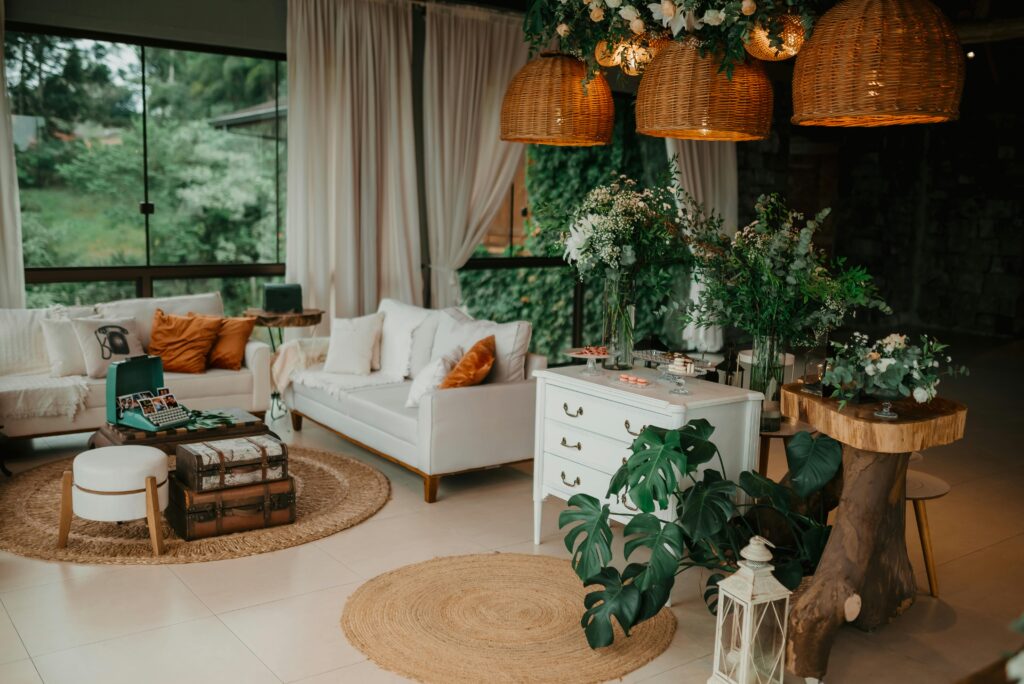
Quick Answer: Boho style (short for Bohemian) is a free-spirited, eclectic interior design aesthetic that blends natural materials, layered textures, global influences, and warm earthy colors to create a space that feels personal, relaxed, and lived-in. It celebrates individuality over perfection. You have probably scrolled past countless Pinterest boards filled with layered rugs, macrame wall hangings, and lush trailing plants and thought: I want my home to feel exactly like that. That warm, relaxed, deeply personal look has a name — boho style — and it has been one of the most beloved interior design aesthetics for decades. But what is boho style, really? Is it just about buying vintage furniture and hanging fairy lights? Or is there a method behind the beautiful chaos? In this guide, we break down everything you need to know about bohemian home decor — from its origins and key elements to color palettes and how to bring it into your own space in 2026. What Is Boho Style? The Origins Explained The word “bohemian” originally referred to unconventional artists, writers, and free thinkers who rejected mainstream society in 19th-century Europe — particularly associated with the Romani people of Bohemia (modern-day Czech Republic). They lived nomadic, artistic lifestyles, collecting beautiful objects from wherever they travelled. This spirit carried into interior design, where bohemian style became a way to decorate that reflected personal journeys, global travels, and creative self-expression. By the 1960s and 70s, it was firmly embedded in popular culture — and today in 2026, it has evolved into a more curated, intentional version of that original free-spirited vision. Modern boho style is no longer about piling everything you own into a room. It is about layering thoughtfully — blending old and new, handmade and found, natural and colourful — to create a space that feels authentically yours. The Key Elements of Boho Style Understanding what makes boho style distinctive comes down to a handful of core elements. These are the building blocks you will find in virtually every bohemian-inspired space: 1. Rich, Layered Textures Texture is the foundation of boho decor. Think plush woven rugs stacked on top of each other, macrame wall hangings, fringed cushions, chunky knit throws, and velvet upholstery. The more tactile your space, the more boho it feels. 2. Natural Materials Boho style has always had a deep connection to the natural world. Materials like rattan, bamboo, reclaimed wood, cork, and jute are staples of the aesthetic. In 2026, this has taken on added importance as eco-conscious living and sustainability have become central to the boho identity. 3. Earthy Colours With Vibrant Accents The boho colour palette is grounded in warm, earthy tones — terracotta, mustard yellow, olive green, sand, and warm beige. These are layered with jewel tone accents like deep teal, emerald, burnt orange, and ochre for depth and richness. 2026 Boho Color Tip: The trend in 2026 is shifting toward deeper, moodier tones. Dark accent walls in forest green or deep burgundy paired with warm earthy accessories give a more sophisticated, contemporary take on classic boho style. 4. Global and Cultural Influences One of the most defining characteristics of boho style is its love of global aesthetics. Moroccan poufs, Turkish kilim rugs, Indian block-printed textiles, African mud cloth, and Asian lanterns all find a natural home in bohemian spaces. These pieces tell stories and add depth that cannot be replicated with mass-produced decor. 5. Plants and Greenery No boho space is complete without an abundance of plants. Trailing pothos, oversized monstera, fiddle leaf figs, and hanging succulents all thrive in the bohemian aesthetic. Plants are not just decorative — they reinforce the connection to nature that sits at the heart of boho living. 6. Vintage, Handmade, and One-of-a-Kind Pieces Boho decor celebrates imperfection. A slightly worn vintage mirror, handmade pottery with uneven edges, or a second-hand chair with great bones are far more boho than anything purchased new from a mainstream furniture store. The beauty is in the story behind the piece. Boho Style Color Palette: What Colors Work Best? Getting the color palette right is key to achieving a cohesive boho look without it feeling cluttered. Here is a practical guide: Color Role Colors Where to Use Base Tones Warm beige, cream, sand, soft white Walls, large furniture, curtains Earthy Accents Terracotta, mustard, olive green, rust Cushions, throws, rugs, ceramics Jewel Accents Deep teal, emerald, burnt orange, ochre Statement pieces, artwork, plants Dark Anchors (2026) Forest green, deep burgundy, charcoal Accent walls, large rugs, upholstery How to Create a Boho Living Room The living room is where boho style shines brightest. Here is how to bring it together in your own space: Modern Boho Style in 2026: What Has Changed? Boho style has evolved significantly in recent years. The maximalist, anything-goes approach of the early 2010s has given way to something more intentional and refined. Here is what defines modern boho in 2026: Simple Cozy Homes TipIf you are new to boho style, start with three easy swaps: replace plain cushions with patterned ones, add a woven basket for storage, and bring in one trailing plant. You will feel the difference immediately without overwhelm. Frequently Asked Questions About Boho Style Explore More Cozy Home Decor Ideas If you love the warmth and personality of boho style, you will enjoy these related guides from Simple Cozy Homes: Final Thoughts Boho style is one of the most accessible and rewarding interior design aesthetics because it has no rigid rules. It is about creating a home that feels like you — layered with texture, warmed by earthy colour, and filled with pieces that carry meaning and personality. Whether you go all-in with a full bohemian living room transformation or simply add a kilim rug and a few plants, the essence of boho style is the same: warmth, freedom, and a space that tells your story. For more practical, cozy decorating ideas tailored to real homes and real budgets, explore the full Simple Cozy Homes blog at simplecozyhomes.com.

How to Measure for Curtains
Home Decor

How to Measure for Curtains: 17 Expert Tips for Perfect Window Fit (Step-by-Step Guide)

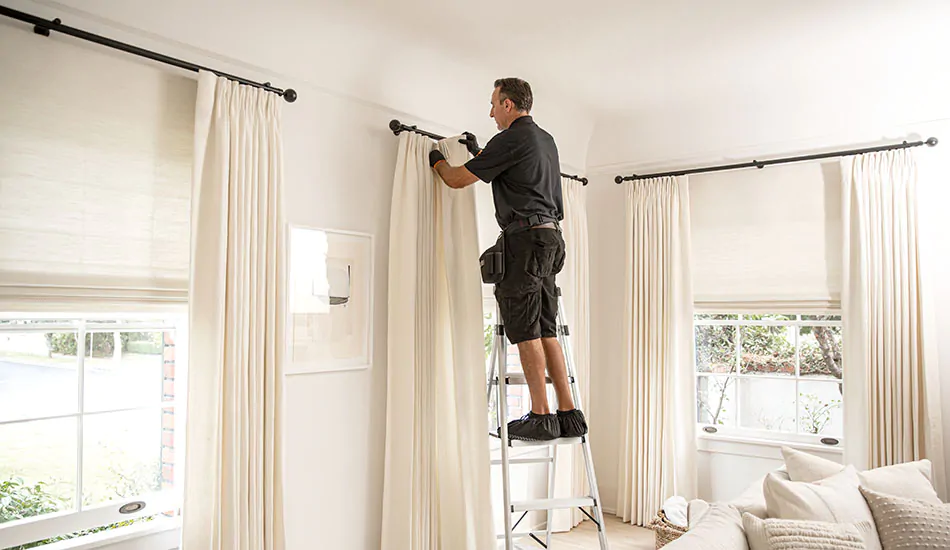
Introduction to Measuring Curtains Learning how to measure for curtains is one of the most important steps in home decor. Curtains don’t just block light—they add personality, style, and warmth to your space. But even the most beautiful fabric can look awkward if the measurements are off. Why Accurate Curtain Measurement Matters Getting your measurements right ensures: Even a small measuring error can lead to curtains that look too short, too narrow, or simply out of place. Read More: 12 Home Gym Ideas That Make Working Out Easy & Fun (2026) Common Mistakes to Avoid Before diving in, avoid these pitfalls: Tools You Need Before Measuring Essential Measuring Tools Checklist To measure accurately, gather: Optional Tools for Precision Understanding Curtain Types Different curtain styles affect how you measure. Rod Pocket Curtains These slide directly onto the rod and require exact width measurement. Eyelet and Grommet Curtains These hang in uniform folds and need extra width for fullness. Pencil Pleat Curtains These offer adjustable gathering, making them flexible in width. Tab Top Curtains These hang from fabric loops and typically sit higher on the rod. How to Measure Curtain Width Getting the width right ensures your curtains look full and elegant—not flat and stretched. Measuring Window Width Fullness Ratio Explained Curtains need extra fabric to create folds. Standard Fullness Guidelines Example:If your rod width is 100 inches: How to Measure Curtain Length Length plays a huge role in the overall style of your curtains. Measuring from Rod to Floor Start from: Types of Curtain Length Styles Floor-Length Curtains Sill-Length Curtains Puddle Curtains Measuring for Curtain Rod Placement Ideal Height Placement Hang rods: Extending Rod Width Extend beyond the window: Measuring Different Window Types Bay Windows Sliding Doors Small Windows How to Measure for Curtains with Linings Blackout Curtains Thermal Curtains Curtain Measurement for Layered Styles Layering adds depth and functionality. Sheer + Blackout Combinations Double Rod Measurements Tips for Measuring Curtains Like a Pro Double-Check Measurements Always measure twice—mistakes can be costly. Consider Fabric Shrinkage Natural fabrics like cotton may shrink after washing. Allow for Hardware Account for: Curtain Size Chart (Quick Reference) Window Width Curtain Width (Total) Curtain Length 36 inches 54–72 inches 63–84 inches 48 inches 72–96 inches 84–96 inches 60 inches 90–120 inches 96–108 inches How to Measure for Curtains in Different Rooms Living Room Bedroom Kitchen Conclusion Mastering how to measure for curtains is simpler than it seems—but it makes a huge difference in your home’s appearance. With the right tools, careful measurements, and a clear understanding of curtain styles, you can achieve a professional, stylish finish every time. Whether you’re decorating a cozy bedroom or a grand living room, accurate curtain measurements ensure your space looks balanced, elegant, and complete. For more detailed home decor tips, you can explore this helpful guide: Conclusion

Easter Floral Arrangement
Home Decor

20 Easter Floral Arrangement Ideas to Transform Your Home This Spring

Spring shows up every year like that one friend who insists on redecorating your entire personality – and honestly, you should let it. Easter floral arrangements give you the perfect excuse to fill every corner of your home with color, texture, and life. Whether you’re a seasoned DIY decorator or someone who just bought their first pair of garden shears, flowers transform ordinary spaces into something worth photographing. This guide walks you through 20 genuinely useful ideas for Easter arrangements that feel fresh, intentional, and – dare we say – Pinterest-worthy without requiring a florist’s degree. 1. Build Your Base With a Classic Tulip Centerpiece Easter Floral Arrangement: Tulips do the heavy lifting so you don’t have to. A tight cluster of mixed-color tulips in a simple white ceramic pitcher creates instant spring energy on any dining table. You don’t need thirty stems – ten to fifteen does the job beautifully. Choosing your colors: Soft pinks, creamy whites, and butter yellows feel the most Easter-appropriate, but don’t sleep on deep purples paired with white for a more dramatic look. Keeping them fresh: Trim the stems at a diagonal, add a penny to the water (yes, really – copper slows bacterial growth), and change the water every two days to extend their life significantly. 2. Tuck Flowers Into Vintage Teacups for Instant Charm Teacups make the most underrated vases on the planet. A mismatched set of three vintage teacups, each holding two or three small blooms like ranunculus or sweet peas, creates a whimsical centerpiece that costs almost nothing. Finding your teacups: Thrift stores carry them for under a dollar each – grab ones with floral prints or pastel glazes to match your Easter palette. Arranging the blooms: You want the flowers to sit just above the cup’s rim, not spill dramatically over the sides. Short stems work best here, so don’t throw away those “too small” trimmings from bigger arrangements. 3. Hang a Floral Wreath on Your Front Door Your front door sets the tone for everything inside, so treat it accordingly. An Easter wreath built around fresh or faux flowers signals warmth before guests even knock. Choosing fresh versus faux: Fresh wreaths last about a week and smell incredible – faux ones last forever but require better construction to avoid looking cheap. Spend more on realistic faux flowers; the dollar-store versions fool nobody. Building the base: A grapevine or moss wreath base gives you something to tuck stems into without wire or glue guns. Add in Easter eggs, ribbon, and eucalyptus sprigs to fill gaps and give it that lush, layered look everyone saves on Pinterest. 4. Create a Low-Centerpiece With Moss and Eggs Not every arrangement needs to reach for the ceiling. A shallow wooden tray or a wide ceramic bowl filled with fresh moss, speckled Easter eggs, and small blooms sits perfectly on a coffee table without blocking anyone’s view. Sourcing the moss: Garden centers sell live sheet moss inexpensively – dampen it slightly before arranging so it stays green and alive longer. Adding the florals: Push small stems of muscari (grape hyacinth) or violas directly into the moss. They look like they just sprouted there naturally, which is exactly the relaxed, organic vibe that dominates spring home decor right now. 5. Style a Mantel With Cascading Greenery and Blooms A mantel arrangement rewards bold thinking. You have horizontal space, vertical space, and a natural focal point – use all three. Layering your elements: Start with long trailing eucalyptus or ivy to establish the cascade, then add blooms at different heights – tall stems in the center, shorter clusters toward the edges. Mixing textures: Pair something soft and billowy like garden roses with something structural like green trick dianthus or thistle. The contrast keeps the eye moving across the arrangement instead of landing in one spot and stopping. And yes, this absolutely justifies buying that oversized mirror you’ve been eyeing for the wall above. 6. Arrange Flowers in Pastel-Painted Mason Jars Mason jars earn their reputation as the workhorses of DIY decor – but plain glass gets boring fast. A quick coat of chalk paint in sage green, lavender, or blush pink transforms them into something genuinely lovely. Painting the jars: Use chalk paint for a matte, vintage finish and seal it with a clear wax once dry so the paint doesn’t chip when wet. Grouping them together: Line three to five jars of varying heights along a windowsill or shelf, each holding a different bloom. Daffodils in one, hyacinths in another, small spray roses in a third – the variety creates rhythm without looking chaotic. 7. Float Flowers in a Glass Bowl for a Minimal Look Sometimes less really does hit differently. A wide glass bowl filled with water and floating flower heads – think camellias, gardenias, or open garden roses – creates a centerpiece that feels elegant without requiring any real arranging skill. Picking the right blooms: You want flowers with wide, flat heads that sit naturally on the water’s surface. Avoid anything with heavy petals that sinks immediately – peonies, while gorgeous, tend to bob awkwardly unless you prop them. Adding the finishing touch: Drop in a few floating candles around the blooms for an evening table setting that photographs beautifully and takes about four minutes to assemble. 8. Build a Spring Flower Crown for a Styled Flat Lay Easter flat lays on Pinterest get serious engagement, and a handmade flower crown makes an incredible prop. But here’s the thing – you can also wear it, display it on a wall hook, or drape it over a basket for decor. Constructing the base: Use floral wire twisted into a circle sized to your head or the object you’re styling. Wrap it in floral tape before attaching anything. Attaching the blooms: Work in sections, attaching small clusters with more floral tape. Use eucalyptus, tiny ranunculus, and spray roses for the best texture mix. Keep the blooms varied in size so it reads as intentional,

Cottage Living Room Ideas
Home Decor

20 Easy Cottage Living Room Ideas 2026

Cottage Living Room: You want a simple cozy home without sacrificing your entire weekend to complicated DIY projects. Pinterest throws millions of perfect images at you every single day. We look at those pristine white couches and immediately imagine spilling coffee on them. Real life demands practical choices that still look absolutely stunning. Transforming your living space requires smart styling – not endless cash. I prefer natural textures over plastic any day of the week. And nobody actually enjoys dusting twenty tiny porcelain figurines. Creating a warm haven means picking pieces you genuinely love. Grab your favorite notebook because we have serious work today. 1. Add Rustic Wood Elements Exposed Beams: You instantly inject history into a boring boxy room when you install reclaimed wood across the ceiling. Builders often strip all the character out of modern homes. You fight back against that sterile look with rich textures. A weathered oak beam draws the eye upward and makes your space feel grounded. Woven Baskets: You hide your ugly cords and messy dog toys inside beautiful natural fibers. Plastic storage bins belong in the garage, not your sanctuary. You slide a large rattan basket next to the sofa for extra blankets. Your friends admire it. 2. Mix Vintage Floral Patterns Delicate Wallpaper: You cover one accent wall with a soft botanical print to establish a cheerful mood. Some people fear wallpaper because they remember their grandmother’s terrifying neon kitchen. You choose muted greens and pale pinks instead. This strategy keeps the room bright while adding necessary depth. The subtle vines draw attention beautifully. Throw Pillows: You toss three mismatched floral cushions onto a solid neutral sofa. Matching sets look completely ridiculous in a relaxed home. You blend large cabbage roses with tiny ditsy prints for a perfectly collected, effortless thrift store charm and incredible style. 3. Display Antique Brass Accents Thrifted Candlesticks: You scour local flea markets for tarnished brass holders. You arrange them across your mantel to catch the evening sunlight. Fake painted plastic always peels eventually. Genuine heavy metal brings an authentic historic weight to the room. You leave the patina intact because polishing steals the charm. Picture Frames: You surround your favorite family photos with ornate golden borders. The warm metallic finish contrasts sharply against flat painted walls. You hang a gallery collection above a cozy reading chair. Your guests pause immediately to admire the elegant yet highly personal art display wall. 4. Choose Slipcovered Linen Sofas Washable Fabrics: You buy a sturdy slipcover because dogs always jump on the furniture. You simply pull the linen off and throw it directly into the washing machine. Traditional velvet couches demand expensive professional dry cleaning. You save money and preserve your sanity with easy maintenance. Relaxed Silhouettes: You reject stiff formal couches that hurt your lower back. A slouchy oversized sofa invites everyone to take a long Sunday nap. The gently wrinkled fabric proves that real people actually live inside your beautiful house. You sink down deeply with a good mystery novel every night. 5. Layer Chunky Knit Blankets Oversized Throws: You drape a massive wool blanket across the arm of your reading chair. Thin fleece blankets look incredibly cheap and provide zero actual warmth. You invest in thick cable knits that trap heat perfectly during freezing winter storms. The heavy texture adds immediate visual interest. Handmade Quilts: You fold a colorful vintage quilt at the foot of the main sofa. These stitched patterns tell unique stories that mass-produced polyester throws simply lack. You celebrate traditional craftsmanship while keeping your toes toasty. Your living room feels like a genuine rustic mountain cabin retreat today. 6. Introduce Fresh Garden Blooms Wildflower Bouquets: You snip loose branches from your backyard to create a beautifully messy centerpiece. Rigid florist arrangements look far too formal for a casual space. You shove daisies and ferns into a simple glass pitcher. This carefree approach brings vibrant outdoor energy directly into your home. Potted Herbs: You line up small terracotta pots along the sunniest windowsill. They purify the stagnant air and smell absolutely incredible all afternoon. You pinch off fresh mint leaves whenever you brew hot tea. Fake plastic plants just collect dust and make everyone extremely sad and disappointed inside. 7. Hang Rattan Pendant Lights Woven Textures: You replace boring flush mounts with large airy basket lights. Heavy glass chandeliers overpower small rooms and collect an obscene amount of grime. You cast beautiful dappled shadows across the ceiling when you flip the switch. The natural fibers warm up cool gray paint instantly. Dimmer Switches: You control the exact mood because blinding overhead glare ruins the evening vibe. You turn the brightness down low while you watch movies. Soft ambient lighting hides the dog hair you forgot to sweep up off the wide plank hardwood floors before your friends arrived today. 8. Install Open Floating Shelves Curated Displays: You ditch bulky bookcases that swallow up valuable floor space. You mount raw pine planks directly onto the drywall instead. A closed cabinet hides your personality behind solid wooden doors. You show off your favorite ceramic mugs and vintage novels openly. Visitors see exactly what you love. Trailing Vines: You place a lively pothos plant on the highest shelf. The green leaves cascade downward and break up the harsh straight lines of the wood. You water it weekly and watch the cheerful stems grow slowly toward the bright sunlight every single morning happily. 9. Paint Shiplap Walls White Bright Backgrounds: You nail horizontal boards across the room to build architectural charm. Plain drywall looks incredibly boring in older historic homes. You coat the rough wood in a warm creamy white paint. This light color bounces morning sunshine into every dark gloomy corner. The texture shines quietly. Subtle Contrast: You pair the crisp walls with dark leather armchairs. An all-white room quickly feels like a terrifying hospital ward. You anchor the airy space using deep brown furniture and colorful rugs. This balance keeps the design grounded while maintaining that

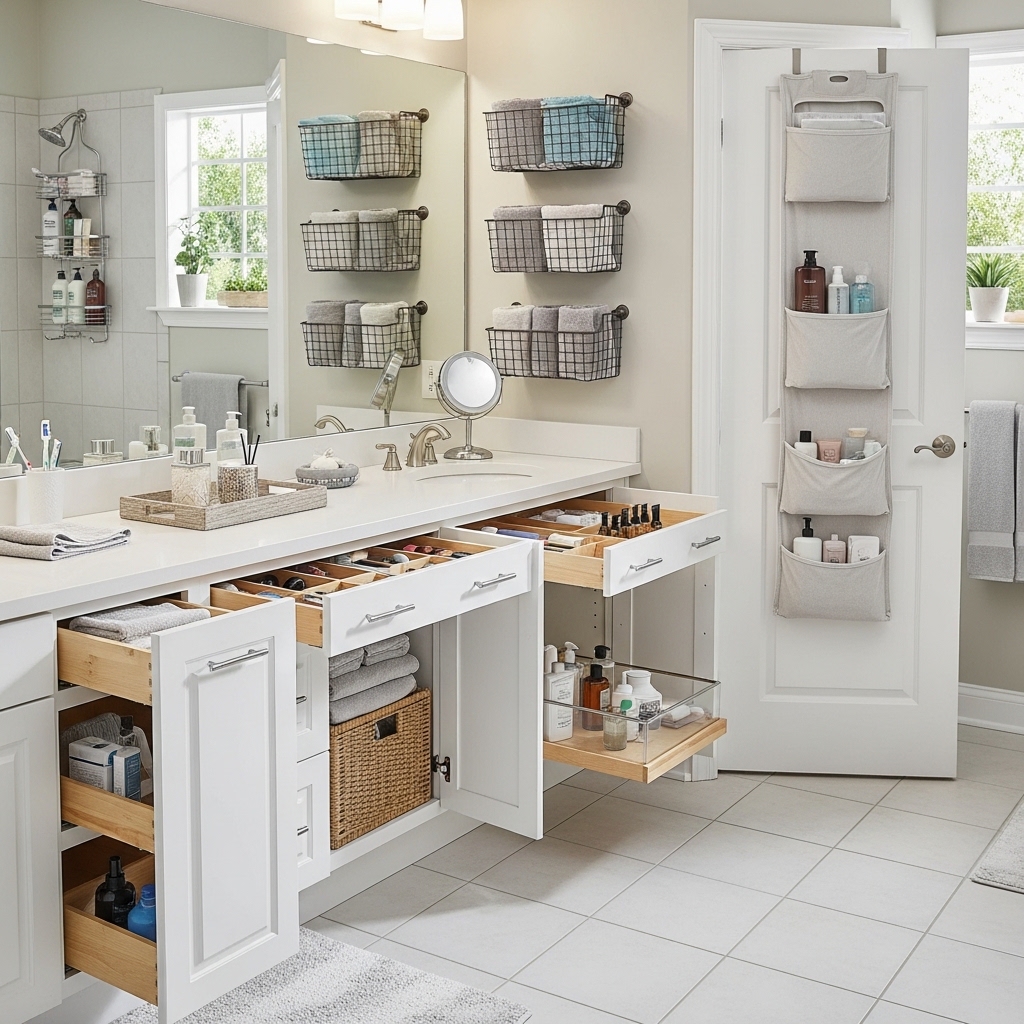
Bright modern bathroom showcasing multiple organization solutions including drawer dividers, wall baskets, over-the-door organizers, and under-sink storage systems in clean white space
Bathroom

20 Bathroom Organizer Ideas That Instantly Reduce Clutter

You open your bathroom cabinet and three bottles tumble out. Sound familiar? Your bathroom doesn’t need more space – it needs smarter organization. Most of us cram products into drawers and hope for the best, then waste precious morning minutes hunting for that one thing. But here’s the truth: a well-organized bathroom saves you time, reduces stress, and actually looks good. You don’t need a massive renovation or a Pinterest-perfect budget. You just need the right organizers in the right spots, and suddenly your bathroom works for you instead of against you. Below are the 20 Bathroom Organizer Ideas: 1. Drawer Dividers Stop the Junk Drawer Madness Adjustable bamboo dividers fit any drawer size: You slide these eco-friendly separators into your existing drawers and create custom compartments for makeup, hair ties, and cotton swabs. They expand from 12 to 18 inches, so you configure them however your stuff demands. No more digging through a jumbled mess to find your tweezers at 7 AM. Acrylic organizers show you everything at a glance: Clear plastic trays stack inside drawers and give every product its own home. You spot your favorite lipstick instantly because nothing hides behind anything else, and the see-through design makes you actually use what you own instead of forgetting it exists. READ MORE: 12 Small Kitchen Remodel Ideas That Maximize Space & Style 2. Over-the-Door Racks Multiply Your Storage Instantly Hook-style organizers require zero installation: You hang these metal or plastic racks over any standard door and gain six to twelve pockets without touching a drill. They hold hair tools, brushes, cleaning supplies, and travel-sized products while keeping your counter clear. Tiered basket systems create a vertical closet: Three or four hanging baskets transform your door into a mini storage tower. You fill the top basket with rarely-used items and keep daily essentials at eye level, and the whole setup comes down in seconds when you move. READ MORE: Step-by-Step Guide to Creative Classroom Decor Ideas 2026 3. Lazy Susans Make Corner Cabinets Actually Useful Under-sink turntables bring back products from the dead: You place a rotating tray under your sink and suddenly reach everything with one spin. No more losing expensive serums in the dark back corner where pipes live. The 360-degree rotation means you grab what you need without contorting yourself into a human pretzel. Tiered lazy Susans double your vertical space: Two-level turntables stack products upward instead of outward. You organize skincare on the bottom tier and hair products on top, and everything stays visible and accessible because the raised design lets you see both levels clearly. READ MORE: How to Start a Garden: A Beginner’s Step-by-Step Guide 2026 4. Magnetic Strips Hold Small Metal Items Like Magic Bathroom-safe magnetic bars mount to any wall: You stick these waterproof strips inside cabinet doors or on tile walls, and your bobby pins, tweezers, nail clippers, and scissors snap right on. They stay put but pull off easily when you need them, and you never lose another bobby pin to the bathroom floor abyss. Magnetic makeup organizers elevate your vanity game: Metal palettes and tools attach to mounted magnetic boards, creating a floating display that looks intentional instead of cluttered. You see your entire collection at once and use products you’d forgotten about in traditional storage. READ MORE: 20 Dorm Room Ideas That Instantly Feel Cozy 2026 5. Stackable Bins Maximize Vertical Cabinet Space Clear plastic containers show inventory without opening: You stack identical bins in cabinets and label each one – first aid, hair care, travel sizes. The transparent sides let you spot what you need before pulling anything down, and the uniform size creates a clean, cohesive look that actually stays organized. Handled baskets slide out like drawers: Front handles on stackable bins transform deep cabinets into pull-out storage. You yank the whole basket forward instead of reaching blindly into dark spaces, and everything inside stays corralled instead of rolling around loose. READ MORE: 15 Black and White Kitchen Ideas for Modern Homes 6. Shower Caddies Do More Than Hold Shampoo Corner tension pole caddies reach floor to ceiling: You twist one pole tight between your tub and ceiling, and suddenly you’ve got four adjustable shelves for bottles, razors, and loofahs. No suction cups falling at 6 AM, no rust rings on your tub edge, just solid storage that moves when you need it to. Over-the-showerhead organizers use wasted space: These mesh or metal baskets hook over your existing showerhead and create storage where nothing existed before. You keep conditioner and body wash within arm’s reach without crowding your tub ledge or drilling into tile. 7. Medicine Cabinet Organizers Prevent Expired Product Pileup Tiered shelf inserts triple your space: You add risers inside medicine cabinets and stack bottles in stadium-style rows. Everything sits at a different height, so you see expiration dates at a glance and actually throw out that sunscreen from 2019. Adhesive mini shelves attach to cabinet doors: Peel-and-stick platforms mount inside medicine cabinet doors and hold daily vitamins, contact solution, or frequently-grabbed items. You open the door and everything you need for your morning routine sits right there, no reaching required. 8. Countertop Trays Contain the Daily-Use Chaos Marble or acrylic trays corral your essentials: You place one beautiful tray on your counter and arrange only what you touch every single day – face wash, moisturizer, toothbrush holder. The defined boundary prevents counter sprawl, and the cohesive look makes even mismatched products appear intentional instead of messy. Tiered cosmetic organizers display products by height: Graduated steps keep tall bottles in back and short jars up front. You see everything without knocking anything over, and the vertical design uses less counter real estate than spreading products across the surface in a single layer. 9. Towel Bars and Hooks Multiply in Unexpected Places Behind-the-door hooks hang robes and towels: You install three or four heavy-duty hooks on your bathroom door’s back and free up wall space while keeping towels off the floor. Each family

Small Kitchen Remodel
Kitchen

12 Small Kitchen Remodel Ideas That Maximize Space & Style

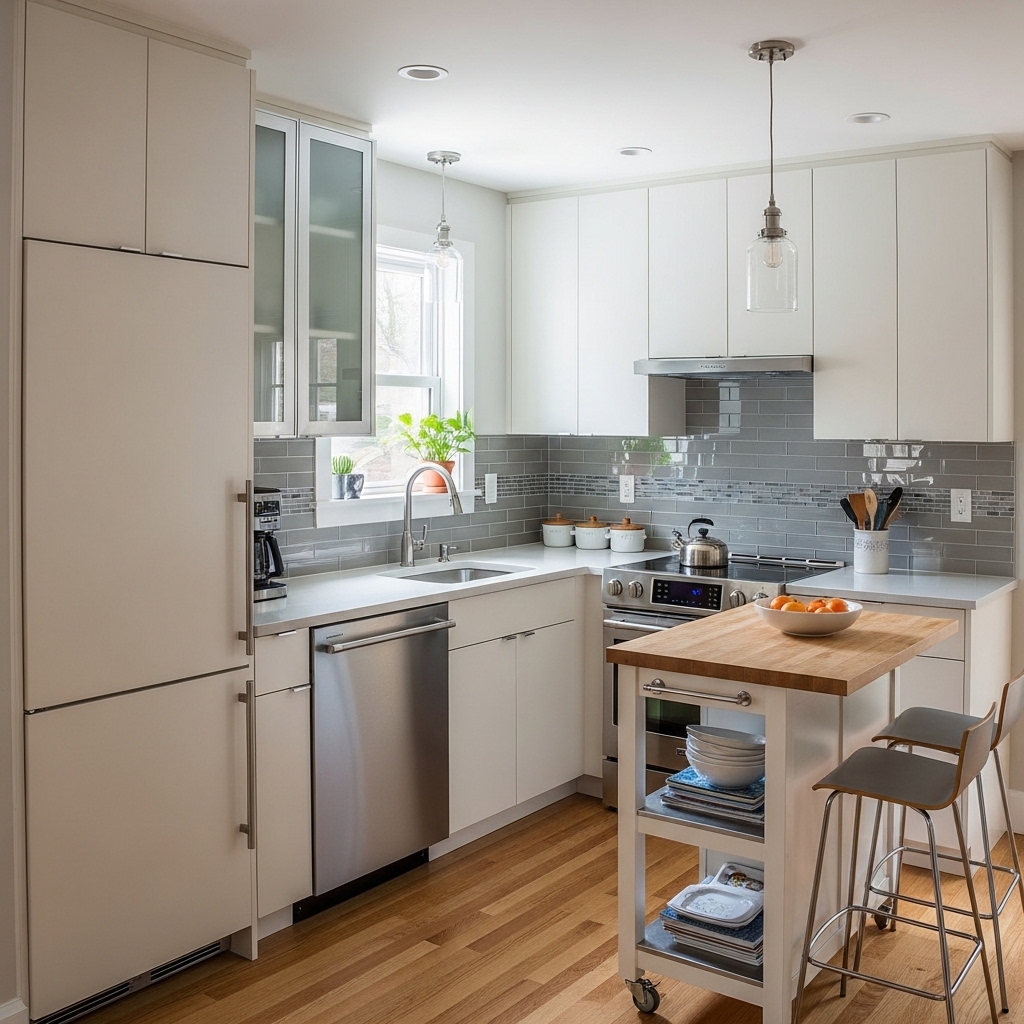
Small Kitchen Remodel: Your kitchen’s the size of a closet, and you’re pretty sure your cutting board takes up half the counter space. Sound familiar? You’re not alone – millions of us are wrestling with tiny kitchens that make cooking feel like a game of Tetris. But here’s the thing: small doesn’t mean you’re stuck with cramped and chaotic. A smart remodel can transform your shoebox kitchen into a space that feels open, organized, and dare I say it, Instagram-worthy. Ready to make your little kitchen work harder than it ever has? Let’s turn that tight space into something you’ll actually love spending time in. 1. Paint Your Cabinets White (Or Any Light Color) Small Kitchen Remodel: Dark cabinets eat up visual space like nobody’s business, making your already-small kitchen feel like a cave. You grab a paintbrush and some quality cabinet paint, and suddenly those heavy wood tones disappear. Light colors reflect natural light instead of absorbing it, which tricks your eye into thinking the room’s bigger than it actually is. White’s the classic choice, but soft grays, pale blues, or even mint green work magic too. The transformation takes a weekend and costs less than buying new cabinets – we’re talking hundreds instead of thousands. Your kitchen won’t physically grow, but it’ll breathe easier. And breathing room’s exactly what you need when you’re working in tight quarters. Prep work matters more than you think: You sand down the existing finish, clean every surface with degreaser, prime with a bonding primer, and then apply two thin coats of your chosen color – rushing this process guarantees you’ll hate the results in six months when the paint starts chipping. Hardware updates seal the deal: You swap out those dated brass pulls for sleek matte black or brushed nickel handles, and suddenly your freshly painted cabinets look like they cost ten times what you actually spent – it’s the jewelry that completes the outfit. READ MORE: 21 Genius Shoe Storage Ideas for Every Home 2. Install Open Shelving Instead Of Upper Cabinets Upper cabinets close in a small kitchen faster than anything else in the room. You rip down a section (or all of them if you’re feeling brave) and mount floating shelves in their place. Suddenly, your walls recede instead of pressing in on you. Open shelving forces you to edit your dish collection down to the essentials, which means less clutter automatically. You display your pretty bowls and favorite mugs, and they become part of your decor instead of hiding behind closed doors. The cost? A fraction of new cabinetry. The catch? You need to keep those shelves styled and tidy because everyone sees everything now. Strategic placement keeps it functional: You install shelves where you actually grab things daily – near the sink for glasses and everyday dishes, by the stove for oils and spices – because pretty shelves that make you walk across the kitchen seventeen times while cooking defeat the whole purpose. Mix it with closed storage: You keep lower cabinets for the ugly stuff like mismatched Tupperware and that waffle maker you use twice a year, creating a balance between airy openness and practical concealment that actually works in real life. READ MORE: 12 Valentine’s Decor Ideas That Feel Romantic 2026 3. Add A Rolling Kitchen Cart For Extra Counter Space Counter space vanishes the second you set down a coffee maker and a toaster. You wheel in a rolling kitchen cart, and boom – instant prep area that moves wherever you need it. These carts come with shelves or drawers underneath, giving you storage for pots, pans, or pantry overflow. You roll it next to the stove when you’re cooking, push it against the wall when you’re done, or even use it as a makeshift bar cart when friends come over. The flexibility’s unbeatable. You find them at big box stores, vintage shops, or IKEA for every budget imaginable. Butcher block tops add functionality: You choose a cart with a solid wood surface that doubles as a cutting board, eliminating the need to constantly hunt for space to chop vegetables while something’s already simmering on your four inches of available counter. Locking wheels prevent disasters: You make sure your cart has at least two wheels that lock in place, because watching your prep station roll away mid-chop or crash into the dishwasher while you’re carrying a hot pan isn’t the kind of excitement you signed up for. READ MORE: 12 Home Gym Ideas That Make Working Out Easy & Fun (2026) 4. Replace Solid Doors With Glass-Front Cabinets Solid cabinet doors create visual barriers that make your kitchen feel boxed in. You swap just a few upper cabinet doors for glass-front versions, and the whole room opens up. Glass lets your eye travel through the cabinets instead of stopping at a wall of wood or laminate. This trick works especially well on cabinets that face your main living area. You curate what’s visible behind the glass – pretty dishes, matching containers, or colorful cookbooks. The project costs less than a hundred bucks if you DIY it, or you hire someone if power tools aren’t your thing. Frosted glass hides imperfection: You opt for seeded, frosted, or textured glass instead of clear if your cabinet interiors look rough or your dish collection’s less than photogenic, giving you the open feeling without the pressure to organize like a magazine spread. Interior lighting takes it further: You stick battery-operated LED strips inside those glass-front cabinets, and suddenly they’re not just storage – they’re actual features that make your kitchen feel custom and expensive on a budget that’s decidedly neither. READ MORE: 20 Raised Garden Bed Ideas That’ll Transform Your Garden Space 2026 5. Mount A Pegboard Wall For Vertical Storage Your pots and pans hog precious cabinet space while your walls sit there doing nothing. You mount a pegboard on an empty wall, and suddenly you’re storing vertically like a genius. Pots, pans, utensils, cutting boards

classroom decor ideas​
Home Decor

Step-by-Step Guide to Creative Classroom Decor Ideas 2026

Did you know a well-designed classroom can boost student focus by up to 20%? Studies show the space around kids shapes their mood and drive to learn. It’s not just about pretty walls—it’s about creating a spot where young minds thrive. Smart classroom decor ideas turn your room into a tool for better teaching. These setups go beyond basic posters. They build calm, spark ideas, and keep things in order. In this guide, we’ll cover ways to mix function, inspiration, and neatness. You’ll find tips for every teacher, from newbies to pros, to make your space work harder for student success. READ MORE: How to Create Stunning Economy Home Decor 2026 Foundational Design Principles for Engaging Learning Spaces Classroom Decor Ideas: Good classroom design starts with basics that set the tone. Think of your room as a quiet guide for busy kids. Clutter can distract, while smart choices help everyone stay on track. Before adding fun stuff, nail these core ideas to make your decor shine. Mastering Color Psychology in Educational Settings Colors hit kids’ brains in big ways. Blue walls calm nerves during tests or reading time. Yellow adds pep for group chats without overwhelming. Mix in neutrals like soft grays or beiges to balance it out. Too much bright hue tires eyes fast. Try painting one wall blue for focus, then add yellow accents on shelves. This setup keeps energy steady all day. For primary colors, use them in spots. A red border on a math chart grabs attention. But pair it with white space to avoid chaos. Teachers see calmer classes with these tricks—kids settle quicker and stay engaged longer. Decluttering for Cognitive Clarity: Less is More Visual mess blocks clear thinking. Kids trip over mental junk just like toys on the floor. Aim for open sight lines so eyes rest easy. Clear pathways first. Keep floors free for movement during lessons. Hang items at eye level, not everywhere. This creates “visual pathways” that lead to key spots, like the board. Use the “less is more” rule. Pick 5-7 main decor pieces per wall. Rotate them monthly to keep things fresh. You’ll notice kids focus better—no more hunting for lost focus in the noise. Creating Zones: Flexible Seating and Learning Centers Divide your room into zones for different vibes. A cozy reading corner invites quiet dives into books. A group table sparks team talks on science projects. Flexible seating counts as decor too. Bean bags or wobble stools add comfort and fun. Kids own their spot, which builds pride. Set up a quiet nook with pillows and dim lights for solo work. Label each zone simply. Use signs like “Math Magic” for the number corner. This guides kids naturally. Flexible setups let you shift for lessons, keeping the flow smooth all year. Maximizing Instructional Decor and Visual Aids Decor isn’t just eye candy—it’s a teaching sidekick. These ideas tie straight to lessons. They help kids grab concepts fast and remember them longer. Shift from plain posters to active tools that pull students in. High-Impact Anchor Charts and Working Walls Anchor charts anchor big ideas right where kids see them. They’re big, bold summaries of lessons, like steps for writing a story. Make them with the class so kids feel part of it. A working wall evolves with your unit. Start with empty space, add notes as you go. Use sticky notes for quick changes—perfect for math strategies or vocab growth. Keep charts neat. Big letters, simple pics, and one color scheme. Hang them at kid height for easy reads. Teachers love how these cut down on repeat questions—kids check the wall first. Integrating Essential Reference Displays (Word Walls and Math Tools) Word walls build vocab without drills. Group words by theme, like animals or emotions. Add pics for visual learners—ELL kids especially thank you. For math, show tools like number lines or shape cutouts. Make them pop-up style on a side wall. Kids glance over during problems, solving faster. Update these often. Fade out old units to spotlight new ones. Use magnets for easy swaps. This keeps displays fresh and tied to what you’re teaching now. Leveraging Student Work for Authentic Display Show off student art to build pride. A “Mastery Gallery” highlights skills, not just “nice job.” Rotate pieces every two weeks to keep walls alive. Frame spots with washi tape for a clean look. Mix drawings, essays, and projects. This shows growth over time—kids see their progress. Get kids involved in hanging their work. Let them vote on themes. It fosters community. Avoid overload; pick top efforts to inspire, not shame. Fostering Positive Culture Through Inspirational Decor Your room’s feel shapes how kids connect. Warm decor builds bonds and boosts self-worth. It’s the heart stuff that turns a class into a family. Promoting Growth Mindset and Affirmation Stations Growth mindset posters remind kids “yet” is key—I can’t do it yet. Hang quotes like “Mistakes help us learn” near desks. Add a station with sticky notes for daily wins. Self-talk prompts work wonders. Phrases like “I am capable” on mirrors. Kids whisper them during tough spots. Watch confidence grow as they repeat. Mix in fun. Cartoon characters sharing stories of failure-to-success. Place near the door for a positive start. These touches cut down on “I can’t” talks big time. Personalization: Making Space for Every Student Name tags on desks say “welcome” loud. Add a fun fact about each kid, like favorite color. It sparks chats and belonging from day one. Cubby spots get personal too. Stickers or pics reflect hobbies. An “About Me” board shares dreams—soccer stars or book lovers. This decor fights isolation. Kids see themselves in the space. Update as they change; a mid-year refresh keeps it real. You’ll feel the team vibe strengthen. Culturally Responsive Decor and Representation Diversity in decor mirrors real life. Hang pics of leaders from all backgrounds—Malala for girls, inventors from Asia. It opens minds wide. Book covers from global tales add color. Include holidays from every culture.

economy home decor​
Home Decor

How to Create Stunning Economy Home Decor 2026

Who says a beautiful home has to drain your bank account? Many folks believe that great style comes only with big spending. But economy home decor flips that idea upside down. It lets you craft inviting spaces using smart choices and a bit of creativity. In this guide, we’ll explore practical ways to achieve affordable interior design without skimping on charm. You’ll get tips for budget-friendly decorating that make your rooms feel fresh and luxurious. Section 1: The Foundation – Smart Budgeting and Mindset for Economy Decorating Start your economy home decor journey by building a solid base. Think about how you spend and what you already own. This mindset shift turns limits into opportunities for clever design. Assessing Current Inventory: Shop Your Own Home First Look around your space with fresh eyes. Pull out items tucked away in closets or storage. Rearrange furniture or swap accents between rooms to spark new energy. Re-styling works wonders. For instance, move a lamp from the bedroom to the living area. It adds warmth without a single purchase. You might even reupholster a worn chair using scrap fabric from old curtains. Make an inventory list first. Jot down what you have: vases, pillows, rugs. This keeps you from buying duplicates. It saves money and time on needless shopping trips. READ MORE: Creating Your Ultimate Cozy Home Library: Design, Decor, and Ambiance Secrets 2026 Where to Invest and Where to Save (The 80/20 Rule for Decor) Not every piece needs top dollar. Apply the 80/20 rule: spend 80% of your budget on 20% of items that matter most. Focus cash on durable basics like sofas or rugs in high-use spots. Save on extras. Throw pillows or wall hangings can come from discount spots. They change often, so cheap options fit fine. Data shows fast furniture often marks up 300% from cost. Second-hand buys last longer and cost less. Choose quality where feet hit the floor, but go thrifty for accents that refresh your look yearly. Embracing the Secondhand Scene: Thrift Stores and Online Marketplaces Thrift stores hide gems if you know when to go. Hit them mid-week for fresh stock. Look for solid wood tables or vintage lamps with good bones. Online spots shine too. Check Facebook Marketplace for local deals. Sites like Etsy offer vintage pieces at fair prices. One friend turned a $20 thrift dresser into a chic entry console. She sanded it and added new knobs. Paired with thrifted mirrors, it screams high-end without the price tag. Section 2: High-Impact, Low-Cost Wall Treatments and Color Psychology Walls set the tone for any room. Smart updates here deliver big changes for little cash. Use color and texture to play with light and mood. The Power of Paint: Transforming Spaces Affordably Paint tops the list for quick wins in economy home decor. A single accent wall draws the eye and hides flaws. Pick shades that match your vibe, like soft blues for calm. Hunt for deals on mis-tinted cans at hardware stores. They cost half price and work just as well. Test swatches on cardboard first to see how light shifts hues. Darker tones cozy up big rooms, while lights open small ones. One coat can make a dated space feel brand new. It’s the easiest way to boost perceived value. Budget-Friendly Wall Art Solutions Beyond Canvases Skip pricey prints. Hang large scarves or quilts for texture and color. They add warmth and move with you if you rent. Vintage mirrors reflect light and expand spaces. Mix sizes for a gallery effect. Or print free digital art from online sources and frame it cheap. Frame thrifted finds in mismatched sets. Designer tips stress scale: big pieces command attention without high costs. Texture from woven items beats flat art every time. Peel-and-Stick Revolution: Wallpaper and Decals Removable wallpaper has improved a lot. It sticks easy and peels off clean, perfect for renters. Use it on one wall or a closet interior for punch. Decals suit shelves or furniture fronts. They mimic tile without grout mess. Brands like Tempaper offer patterns that last years. Apply to a powder room focal point. It updates without commitment. Costs stay under $50 per roll, a steal for the drama. Section 3: Furniture Flips and Upcycling: Giving Old Pieces New Life Old furniture begs for a second chance. Flips save cash and reduce waste. Turn blah into wow with basic tools and elbow grease. Mastering the DIY Furniture Refresh: Sanding, Staining, and Hardware Swaps Start with solid wood. Sand lightly to smooth rough spots. Wipe clean, then apply stain for depth. Hardware swaps transform fast. Old brass knobs? Swap for sleek black ones. It costs pennies but looks custom. Source pulls from salvage yards or Amazon. A $10 set revives a nightstand. Follow steps: remove old hardware, clean holes, install new. Your piece shines like new. Creative Upholstery Hacks for Small Items Tackle small projects first. Recover chair seats with staple guns and fabric scraps. Buy remnants for under $5 a yard. Ottomans or pillows yield quick results. Stitch covers from drop cloths for a neutral base. Add patterns later. Slipcovers hide worn sofas. Ready-mades from IKEA fit most shapes. They’re machine-washable and renter-friendly. One slipcover turned my aunt’s lumpy couch into a star. Repurposing Objects for Unexpected Furniture Think outside the box. Stack crates for a rustic shelf. Paint them to match your scheme. Old filing cabinets make nightstands. Add wood tops for stability. They hold books and lamps just fine. Ladders lean as towel racks or plant holders. These hacks add character. Use what you find to build unique pieces that fit your budget. Section 4: Decorating with Light and Texture on a Dime Light and feel shape how rooms welcome you. Layer them smart to amp up comfort. Affordable tweaks make spaces glow. Strategic Lighting Solutions That Don’t Require an Electrician Max out natural light with sheer curtains. They filter sun without blocking views. Add plug-in lamps for evenings. Floor models cast soft pools that

cozy home library
Home Decor

Creating Your Ultimate Cozy Home Library: Design, Decor, and Ambiance Secrets 2026

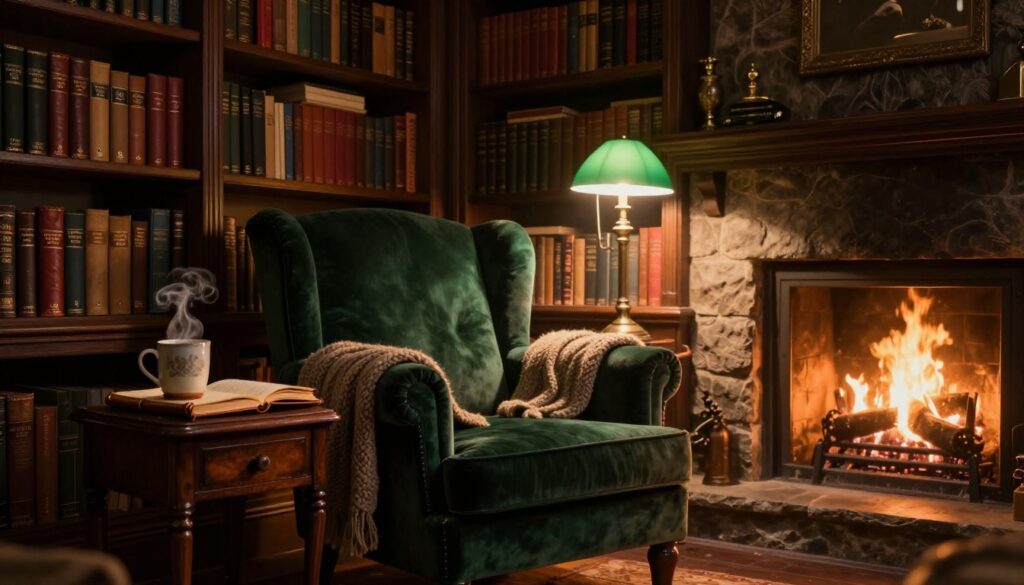
Imagine sinking into a soft chair. The faint scent of aged paper fills the air. A gentle lamp glows nearby. This is the magic of a cozy home library. It’s more than a spot for books. It’s your personal escape, a quiet haven amid daily chaos. After the pandemic, many folks turned inward. They built spaces for calm at home. Reading surged too. Sales of books jumped 20% in recent years. People craved comfort and stories. If you dream of your own reading retreat, this guide covers it all. We’ll explore design tips, decor ideas, and ways to boost the vibe. Let’s build that cozy home library you’ve always wanted. Foundation and Layout – Structuring Your Cozy Sanctuary Start with the bones of your space. A solid layout sets the tone for relaxation. Think about how you’ll move and settle in. Assessing Your Space: Dedicated Room vs. Nook Integration Measure your area first. Note doors, windows, and outlets. A full room offers freedom. You can line walls with shelves. But a nook works wonders in tight spots. Under the stairs? Turn that unused corner into a gem. Add a curtain for privacy. Awkward alcoves shine with custom fits. Keep traffic low. Place your chair away from main paths. This cuts distractions. Aim for at least 6 feet by 8 feet for comfort. Smaller? Use vertical space. Workflow matters. Ensure easy reach to books and light switches. Test paths with tape on the floor. You’ll love a setup that flows smooth. READ MORE: 21 Genius Shoe Storage Ideas for Every Home Essential Furnishings: Beyond the Bookshelf Bookshelves grab attention. But furnishings make it cozy. Pick a reading chair that hugs you right. Look for good support. Ergonomics beat style alone. A wingback chair with lumbar padding saves your back. Add an ottoman for foot rest. It doubles as a stool for high shelves. Side tables hold lamps or mugs. Choose wood or metal that matches your vibe. Scale fits key. A huge chair swamps small rooms. In big spaces, layer pieces. Add a rug to anchor it all. These picks turn a room into a nest. Maximizing Storage with Style: Shelving Strategies Shelves hold your treasures. Built-in units save floor space. They blend into walls like custom art. Freestanding options move easy. Great for renters. Anchor tall ones to walls. Bolts prevent tips. Check for wobbles. Height counts. Top shelves for decor, bottom for grabs. Ladder access adds charm. Mix heights for interest. Style them later. For now, focus on solid setup. Mastering the Ambiance Through Lighting and Color Light and hue shape mood. Get this right, and your cozy home library feels alive. Soft glows invite long stays. Layered Lighting for Reading Comfort Don’t rely on one bulb. Layer for balance. Ambient light fills the room. Use ceiling fixtures or recessed cans. Task lighting targets your book. A desk lamp with adjustable arm works best. Clip-ons attach to chairs. Accent lights highlight shelves. LED strips add drama. For reading, pick 2700K to 3000K bulbs. They mimic warm sunsets. Cool whites tire eyes fast. This mix keeps eyes happy and space inviting. The Psychology of Cozy Colors and Textures Colors stir feelings. Warm tones like deep green or navy blue calm the mind. They echo old libraries. Charcoal gray grounds bold accents. Paint walls first. Then layer fabrics. Textures add depth. Velvet cushions feel plush. Tweed on chairs nods to classics. Leather books smell rich. Throws in wool drape over arms. Mix patterns subtle. One bold rug ties it. These choices wrap you in comfort. Incorporating Natural Elements Nature soothes. Bring it indoors with dark woods. Oak shelves glow warm. Plants thrive in low light. Snake plants or pothos fit shelves. They clean air too. Biophilic design boosts mood. A library in Seattle used ferns and stone. It felt like a forest hideout. Elements like these refresh the soul. Curating Your Collection and Display Techniques Books are stars here. But how you show them matters. Make it personal and easy to browse. Organizing for Inspiration: Beyond Alphabetical Order Ditch strict alphabet. Group by genre for fun finds. Mysteries stack together. Cookbooks near the door. Color coding pops visually. Rainbow shelves delight the eye. Height sort keeps lines clean. To-read piles invite action. Label them playful. “Beach reads” or “Winter warms.” This setup sparks joy, not stress. The Art of the Styled Shelf: Vignettes and Decor Style smart. Follow 60/40: mostly books, some objects. Lean books for flow. Vignettes tell stories. Stack novels with a vase. Bookends in brass hold firm. Art frames add soul. Family photos or prints fit gaps. Your shelves become art. Preservation for the Passionate Collector Protect your loves. Keep sun off spines. UV fades covers fast. Humidity swings warp pages. Aim for 40-50% levels. Dehumidifiers help basements. Library groups suggest stable temps. Around 65-70°F works. Avoid attics. Care keeps them lasting. Sensory Enhancements for Ultimate Coziness Sight hooks you. But full senses seal the deal. Sound, smell, taste complete the retreat. The Soundscape of Solitude: Managing Acoustics Echo kills peace. Thick rugs soak it up. Wool layers best. Heavy curtains block noise. Velvet ones double as decor. For calm, try white noise. Apps play rain or fire crackles. Classical tunes set soft moods. Quiet amps relaxation. Aromatherapy for the Avid Reader Scents trigger calm. Sandalwood evokes old tomes. Leather notes mimic bindings. Aged paper? Vanilla candles nail it. Diffusers spread oils safe. Burn beeswax for clean air. Place near vents, but watch flames. Smells turn pages magic. The Perfect Reading Companion: Beverage Stations Sips enhance sessions. A cart rolls easy. Stock teas and coasters. Thermos keeps coffee hot. Integrated fridges fit big rooms. Small shelf holds mugs. Herbal brews pair with books. Refresh without leaving your spot. Conclusion: Your Personal Reading Retreat Awaits You’ve got the blueprint now. Thoughtful layout builds the base. Ambiance lights the way. Curated shelves and sensory touches finish it. A cozy home library invests in you. It cuts stress and sparks

Black and White Kitchen
Kitchen

15 Black and White Kitchen Ideas for Modern Homes

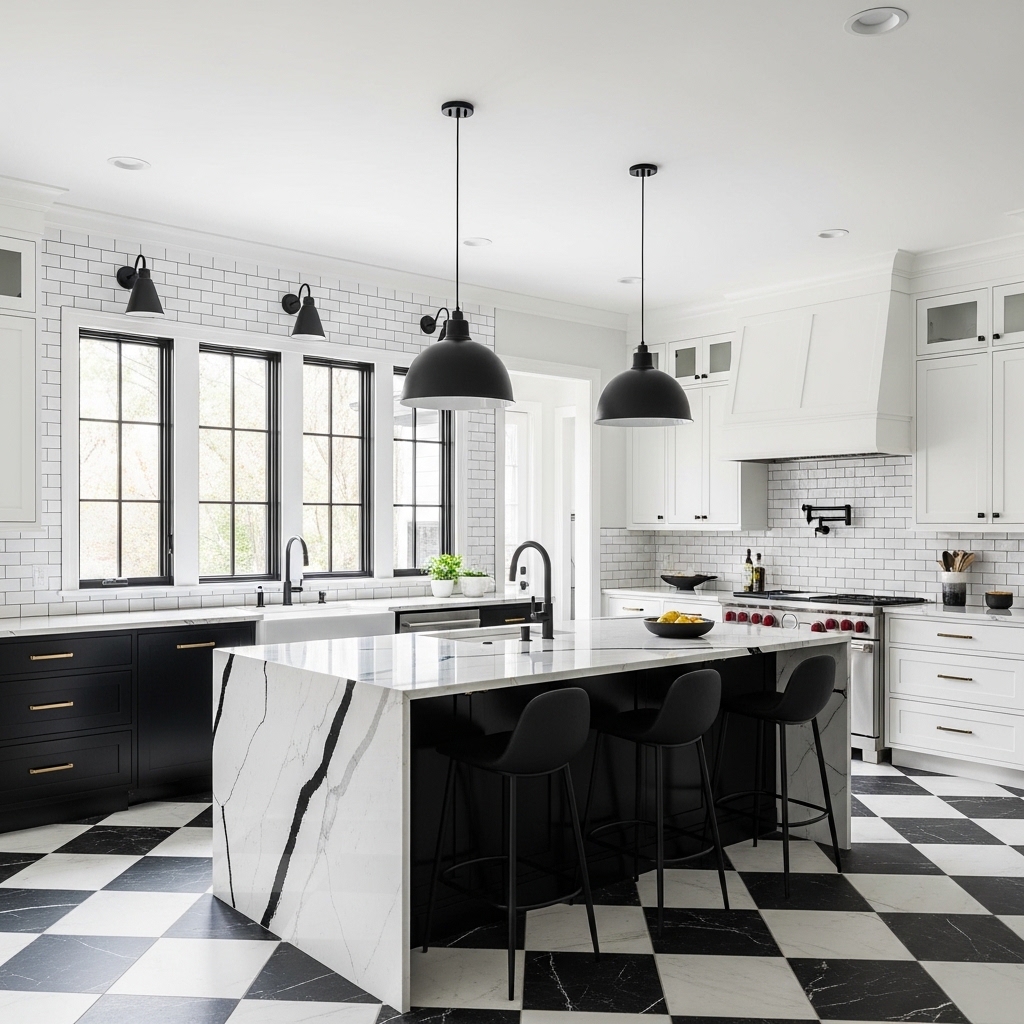
You’ve probably scrolled past a thousand beige kitchens on Pinterest, and honestly? Your eyes deserve better. Black and white kitchens pack serious punch without shouting for attention – they’re the design equivalent of a perfectly tailored blazer. You get timeless elegance mixed with modern edge, and the combo works whether you’re flipping a fixer-upper or just tired of looking at builder-grade oak cabinets. This palette gives you room to play with patterns, textures, and finishes without things getting chaotic. You can go sleek and minimal or layer in vintage charm – the possibilities stretch further than you’d think. Ready to see how this classic duo transforms your cooking space into something Pinterest-worthy? READ MORE: 12 Home Gym Ideas That Make Working Out Easy & Fun (2026) 1. The High-Contrast Drama of Black Cabinets Against White Walls You walk into a kitchen with matte black cabinets set against crisp white walls, and the visual impact hits immediately. Bold cabinetry choices transform ordinary storage into architectural features – those dark lowers ground the space while white uppers keep things from feeling like a cave. The contrast creates natural focal points without requiring fancy tile work or expensive countertops. You save money on decorative elements because the color blocking does the heavy lifting. Your eye travels around the room following these defined zones, which makes even small kitchens feel intentionally designed rather than accidentally assembled. Strategic wall treatment: White walls reflect light back into the space, counterbalancing the darkness of lower cabinets so you don’t need to install a stadium’s worth of lighting fixtures. You gain visual height when white extends to the ceiling, making standard eight-foot ceilings feel less oppressive. The brightness also shows off your cabinet hardware and makes it easier to spot that rogue splatter before it becomes a permanent fixture. You create a backdrop that lets art, plants, or colorful dish collections pop without competing for attention. READ MORE: 20 Dorm Room Ideas That Instantly Feel Cozy 2026 2. White Shaker Cabinets With Black Hardware for Timeless Appeal Classic shaker styling never goes out of fashion because clean lines and simple recessed panels work with literally any design era you throw at them. You choose white shaker cabinets and instantly gain that fresh, airy foundation everyone wants. The simplicity means you won’t cringe at photos ten years from now – unlike that trendy two-toned turquoise situation your neighbor installed. Black knobs and pulls add definition to all those cabinet doors, creating subtle visual interest without pattern overload. You spend less on the cabinets themselves because shaker construction costs less than ornate raised-panel designs. Hardware as jewelry: Black pulls and knobs function like accessories on a little black dress – they complete the look without demanding attention. You can choose modern bar pulls for contemporary vibes or vintage bin pulls for farmhouse charm, and both work perfectly against white. The dark hardware also hides fingerprints better than shiny chrome, which matters when you’ve got kids or a spouse who thinks drawer handles are hand towels. You create cohesion by matching these finishes to your faucet and light fixtures, tying the whole room together with minimal effort. READ MORE: 12 Fun Sleepover Ideas for Teenagers They’ll Actually Love 2026 3. Checkerboard Floor Tiles That Channel Old-School Diner Charm Retro pattern with staying power: You lay down black and white checkerboard tiles and instantly transport your kitchen to a 1950s soda fountain – minus the cigarette smoke and questionable Jell-O salads. This pattern works in modern spaces because geometric designs never truly die, they just hibernate between trend cycles. The tiles guide foot traffic visually and make your floor area feel larger through the repeating pattern. You hide dirt better than with solid white flooring, because let’s be honest, nobody wants to mop three times daily. Scale considerations matter: Large-format checkerboard squares suit spacious kitchens where the pattern has room to breathe and establish rhythm. You choose smaller tiles for compact spaces so the pattern doesn’t overwhelm – think two-inch squares instead of twelve-inch ones. The installation runs diagonally to make narrow galley kitchens appear wider, or straight-set to emphasize length. You pair this busy floor with simpler upper elements because checkerboard already brings plenty of visual energy to the party. READ MORE: 12 Galentine’s Party Decor Ideas to Make Your Girls Feel Like Queens 4. Subway Tile Backsplash in Crisp White With Black Grout You install classic white subway tiles but swap boring white grout for black, and suddenly that basic backsplash develops backbone. Grid-defining grout turns simple tiles into graphic art, emphasizing the grid pattern and adding architectural detail your contractor didn’t charge extra for. The dark grout lines hide stains from tomato sauce explosions and coffee splashes – you wipe down the tiles and move on with your life instead of scrubbing grout with a toothbrush. This combo works behind ranges, sinks, or covering entire walls depending on how much visual texture you crave. Pattern play opportunities: You arrange subway tiles in classic running bond, herringbone, vertical stack, or basket-weave patterns – the black grout makes each layout pop differently. Traditional horizontal installation feels safe and expected, while herringbone adds movement and sophistication for basically the same material cost. You create a focal point behind your cooktop with one pattern, then switch to simple horizontal elsewhere for variety without chaos. The contrasting grout turns what could be boring builder-basic into something worthy of those kitchen tours you keep pinning. READ MORE: 21 Blanket Storage Ideas That’ll Save Your Sanity 5. Black Countertops That Hide Every Coffee Ring and Crumb Practical darkness: You choose black granite, soapstone, or quartz counters and watch daily messes disappear into the dark surface like magic. White countertops show every single thing – bread crumbs, water spots, that mysterious sticky thing you can’t identify – but black hides your crimes until you’re ready to deal with them. The dark surface makes white cabinets above and below pop dramatically, creating that high-contrast look designers charge

Scroll to Top