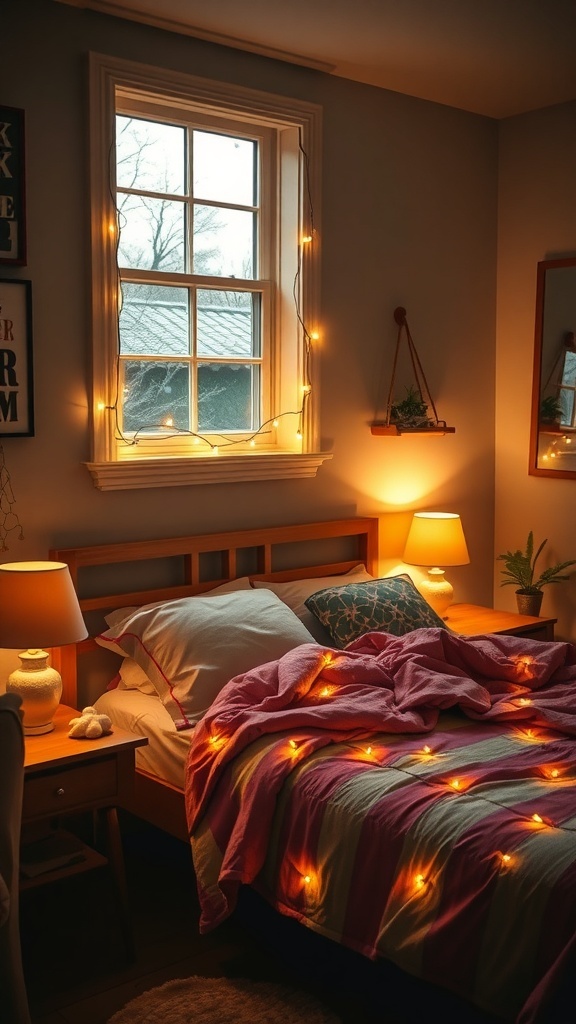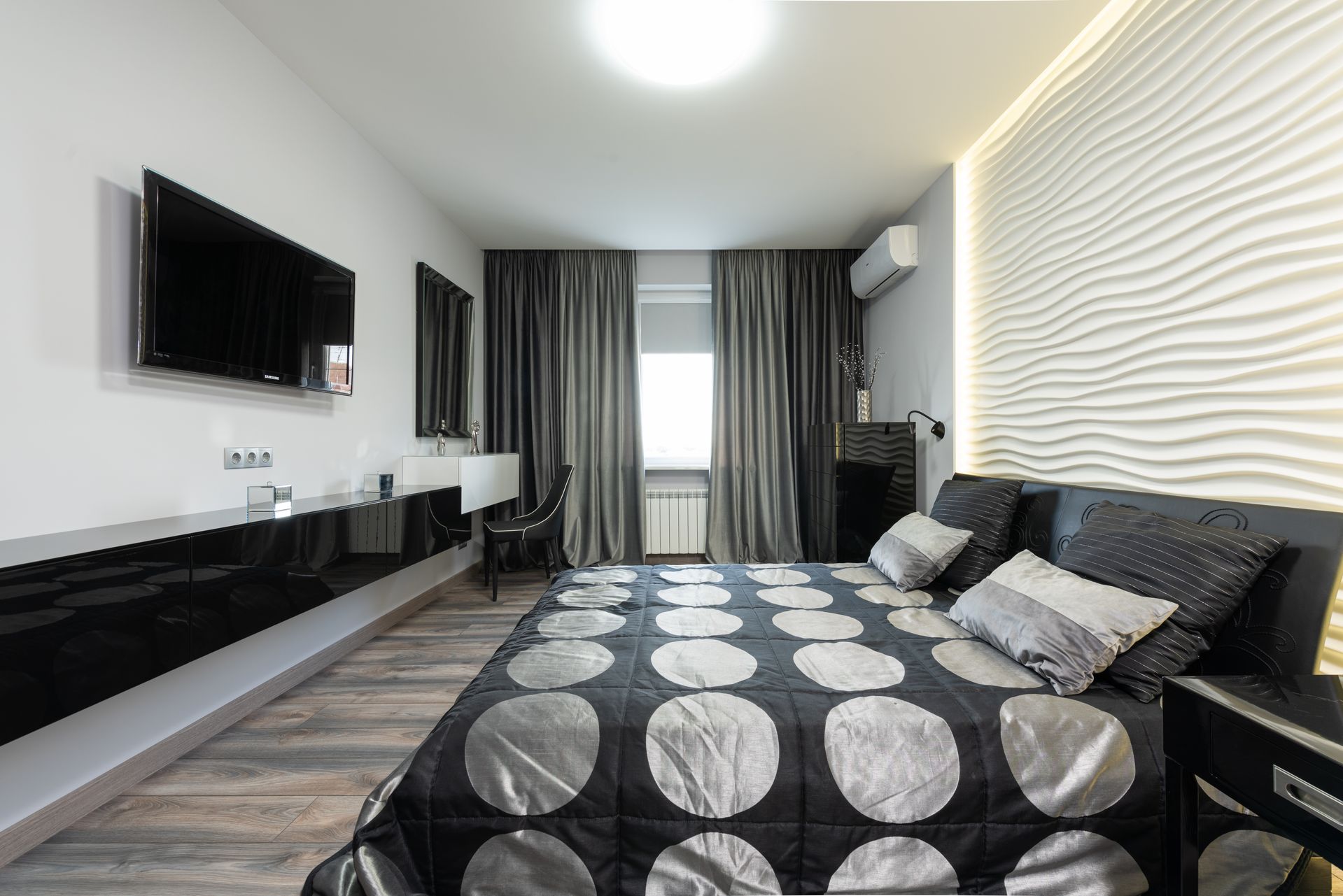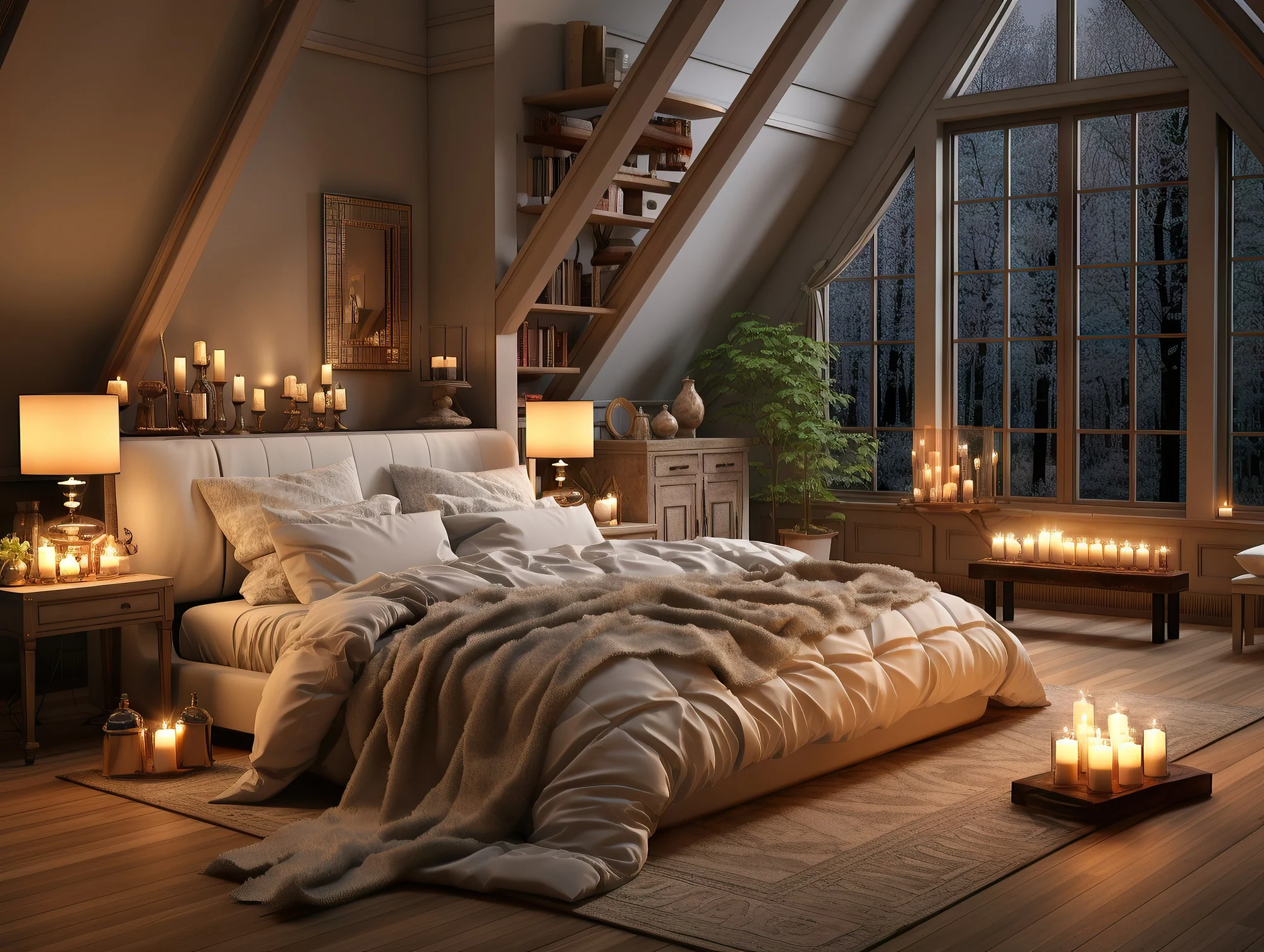
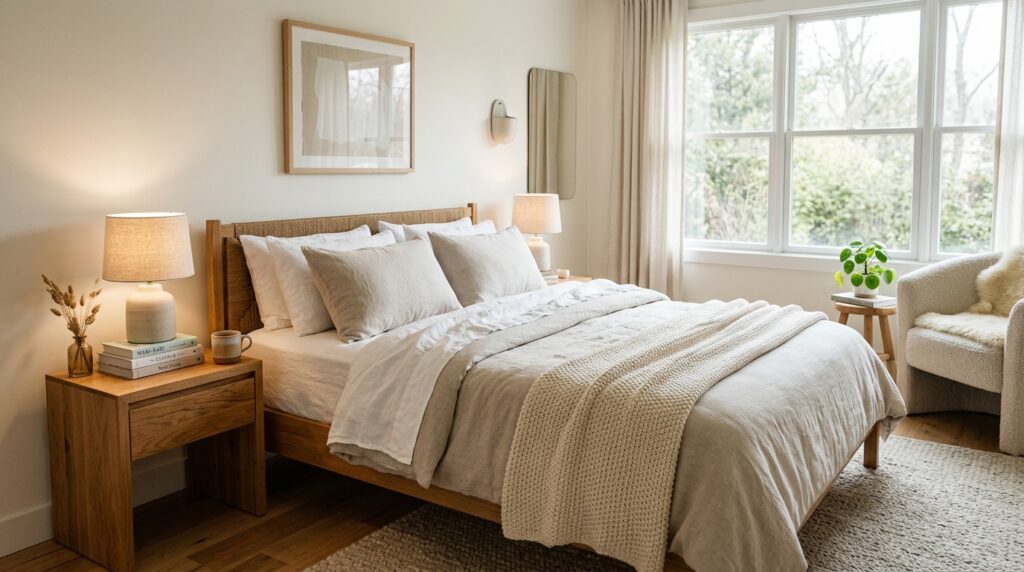
The Best Paint Colors for Bedroom 2026 lean into warmth and depth rather than the all-white, all-gray schemes of the past decade. The top picks this year are dusty sage green, warm greige, deep navy, chocolate brown, and soft blush pink — all chosen for how calming and restful they feel under lamp light, not just how they photograph.
If you’ve been staring at swatches for weeks, here’s the good news: 2026’s biggest bedroom trend isn’t one specific color, it’s a mood — cocooning, grounded, and a little moody. Designers are moving away from the flat, cool-toned neutrals that dominated the last decade and toward colors with real depth: greens with gray in them, whites with warmth in them, and darker shades that feel enveloping rather than gloomy.
Part of this shift is practical. More people are spending more waking hours at home than they used to, and the bedroom has become less of an afterthought and more of an actual retreat — somewhere to unwind, not just a place to store a bed. That’s pushed paint choices toward colors that feel restorative under lamp light at 9 p.m., not just colors that photograph well in daylight for a listing photo.
Below are the six shades worth your test pot, what makes each one work, and how to actually choose between them.
The Top Bedroom Paint Colors for 2026
| Color family | Why it’s trending in 2026 | Best paired with |
|---|---|---|
| Dusty sage / muted green | Calming, nature-inspired, works in most light | Warm wood, linen, brass |
| Warm greige / soft white | Cozy without feeling stark or clinical | Natural fiber rugs, wicker |
| Deep navy | Creates a cocoon-like, restful feel at night | Crisp white bedding, bronze fixtures |
| Chocolate brown | Warm, grounded, tested well with home buyers | Cognac leather, gold accents |
| Blush pink (muted, not bright) | Soft, warm, still feels sophisticated | Cream linens, black metal accents |
| Moody blue-black | Bold but surprisingly restful for sleep | Natural wood, warm-toned lighting |
1. Dusty sage and muted green
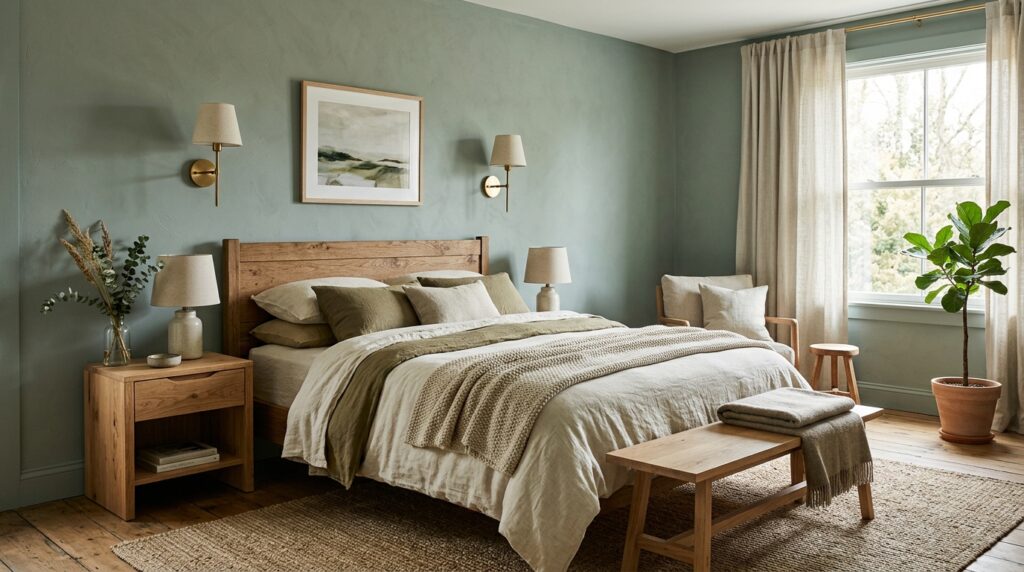
Soft, nature-inspired greens are the defining bedroom trend of 2026. Unlike the brighter greens of a few years ago, this year’s shades lean muted and gray-green, which keeps a bedroom feeling calm rather than energizing exactly what you want in a room built for rest. A recent Zillow and Sherwin-Williams buyer study also found sage green was the only color to rank highly across every room type they tested, adding real estate appeal to the aesthetic appeal.
Sage works especially well because it sits right between a neutral and a color it’s grounding enough to make a room feel intentional, but soft enough that it won’t fight with your existing furniture or bedding. It also tends to shift gently throughout the day rather than swinging dramatically warm or cool, which makes it a lower-risk choice if you’re nervous about commitment.
Best for: Bedrooms with good natural light, or anyone wanting a “bring the outdoors in” feel without going full jungle-boho.
2. Warm greige and soft warm white
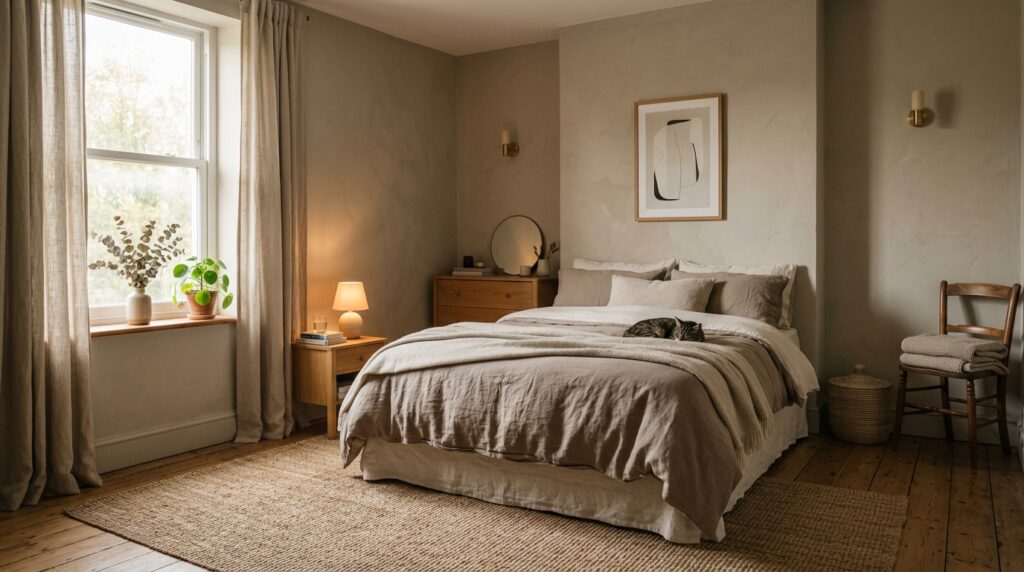
If you want something closer to a traditional neutral but still warm and inviting, look at warm greiges and off-whites with a hint of warmth — not the cool, gray-heavy whites that were everywhere a few years back. The goal is a shade that reads warm in both morning and evening light instead of shifting cold or clinical after sunset.
The easiest way to test this is to look at the swatch at night with only lamp light on. Cool whites tend to turn slightly blue or gray under warm bulbs, while a truly warm greige stays inviting no matter the light source. This is also the safest resale-friendly option if you’d rather not commit to a bold wall color but still want more warmth than a builder-grade white.
Best for: Small bedrooms or low-light rooms where you want the space to feel open, not boxed in by a dark or saturated color.
3. Deep navy
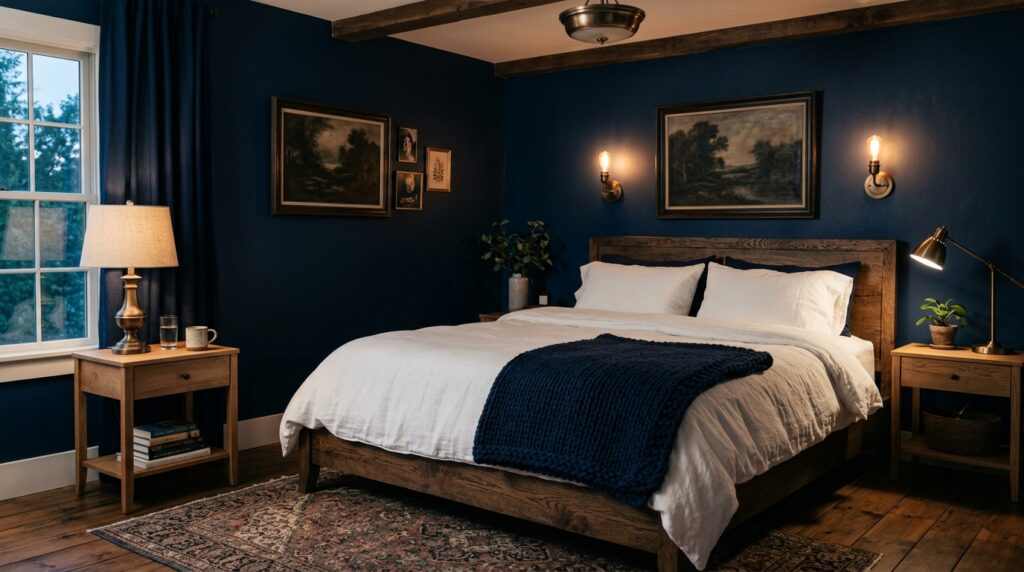
Navy remains one of the most reliable “moody but not scary” choices for a bedroom. It reads as a confident, saturated blue in daylight and deepens into something closer to black at night, which is part of what makes it feel so enveloping once the lights are off. Pair it with crisp white linens and warm metal fixtures so the room doesn’t feel too heavy.
Navy is also one of the more forgiving dark colors for beginners, since it’s been a design staple for over a decade — there’s no shortage of tested combinations to borrow from. If you’re wary of committing a whole room, try navy on just the wall behind the headboard first; it gives you the cocooning effect without painting every wall in the room.
Best for: Primary bedrooms where you want a hotel-suite, retreat-like atmosphere.
4. Chocolate brown
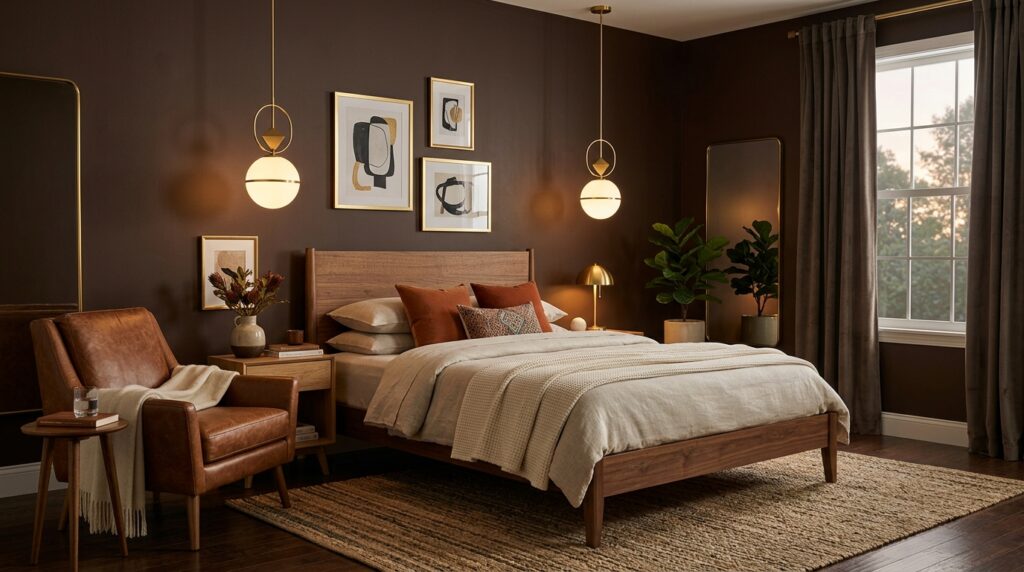
This is 2026’s most surprising bedroom trend. A large-scale buyer survey from Zillow and Sherwin-Williams found that a rich chocolate brown was the top-performing bedroom color for buyer appeal outperforming plain white walls by a noticeable margin in offer price. Warm browns feel grounded and cocooning rather than dark and heavy, especially with the right lighting.
Brown works because it borrows the same restful, enveloping quality as navy or black but reads as softer and more natural — closer to raw wood or leather than to a stark, graphic dark color. It pairs particularly well with warm wood furniture, since the tones blend rather than contrast, giving the room a calm, monochromatic feel instead of a busy one.
Best for: Homeowners who want a genuinely warm, non-white neutral and don’t mind a bolder wall color.
5. Muted blush pink
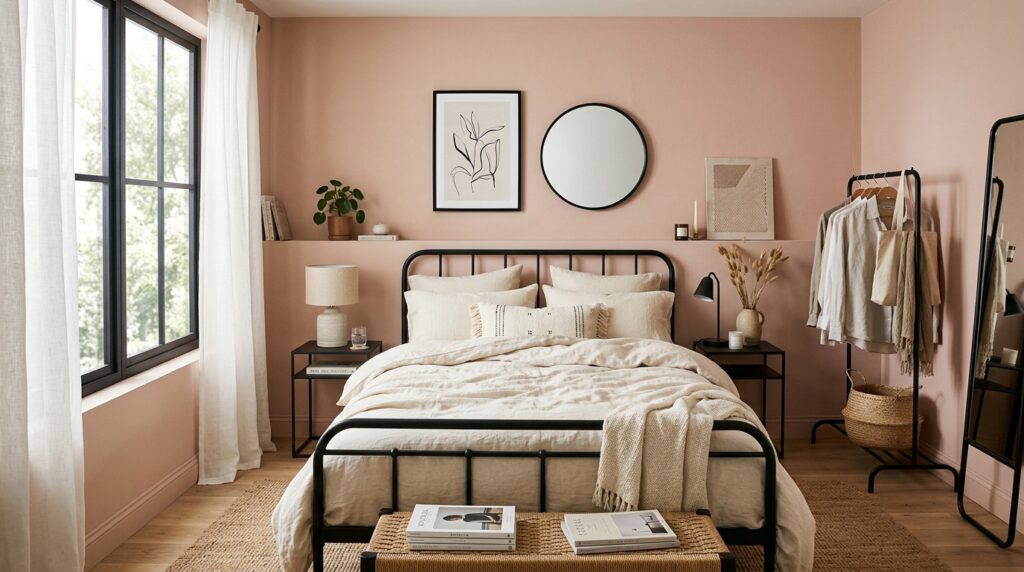
Not the bright, sugary pink of past trend cycles 2026’s take is a soft, warm blush that behaves more like a neutral than a “pink room.” It pairs beautifully with cream bedding and black or bronze metal accents for a look that feels more boutique hotel than nursery.
The key to making blush feel grown-up is undertone: look for versions with a beige or terracotta base rather than a cool, candy-pink base. Those warmer blushes read as sophisticated and calm, while cooler pinks can start to feel young or overly sweet, especially in a lot of natural light.
Best for: Anyone who wants warmth and softness without committing to a bold, saturated color.
6. Moody blue-black
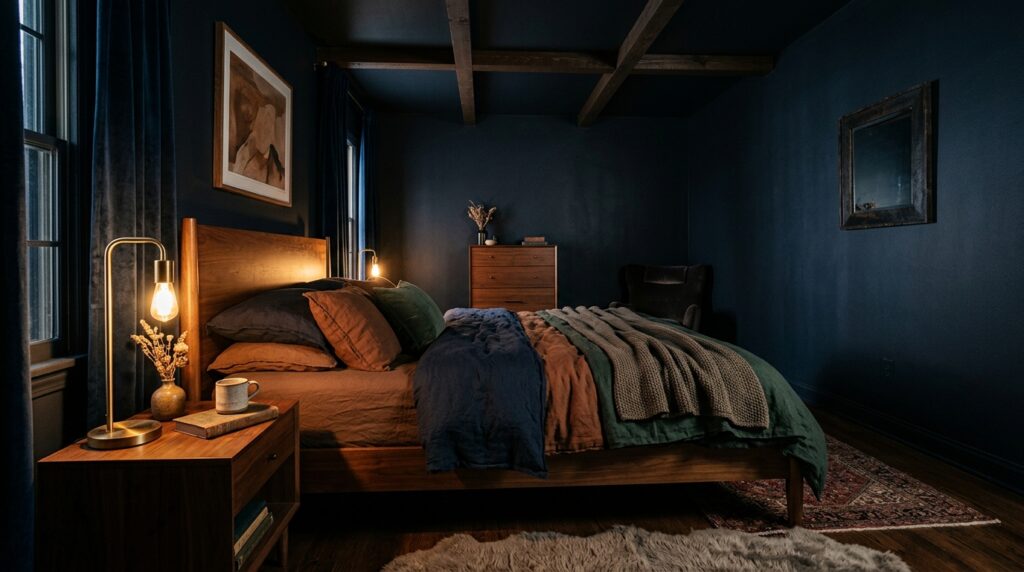
For those who want real drama, a deep, almost-black blue creates an intensely restful, cave-like bedroom especially when the ceiling is painted the same color. It’s bold on paper but often reads as surprisingly calming in person, since there’s very little visual noise once the lights are off.
If full commitment feels like too much, this is a great candidate for an accent wall or a small guest bedroom test run before you take it into your primary suite. Layer in warm-toned lighting table lamps and dimmable overheads rather than cool white bulbs — so the room feels enveloping instead of stark.
Best for: Primary bedrooms with good natural light during the day, so the room doesn’t feel dark around the clock.
How to actually choose (don’t skip this step)
- Buy real sample pots, not just paint chips. Peel-and-stick or brush-on swatches at least 12×12 inches are large enough to judge accurately.
- Test on more than one wall. Light hits each wall differently, and a color can look completely different on the wall facing a window versus the wall behind your headboard.
- Live with it for 48 hours. Look at the swatch in morning light, afternoon light, evening lamp light, and at night with the lights off. The color that still looks good in all four conditions is your winner.
- Consider your finish, not just your color. Flat or matte finishes are best for bedroom walls they hide imperfections and give richer color depth, especially with darker shades. Satin and semi-gloss create too much reflection for a room meant for winding down.
- Think about resale if it matters to you. If you might sell in the next few years, warm, grounded tones like sage green and chocolate brown have tested well with buyers, while stark, cold whites have tested worse than expected.
FAQ
What is the most popular bedroom paint color for 2026?
Dusty sage green and warm greige are the two most widely recommended bedroom colors for 2026, prized for feeling calming and warm rather than sterile.
Is dark paint a bad idea for a small bedroom?
A small bedroom with good natural light can handle a deep color like navy or blue-black, the key is balancing it with lighter bedding, natural wood tones, and warm lighting so the room doesn’t feel closed in.
Should the ceiling match the wall color?
For a more enveloping, cocoon-like bedroom, painting the ceiling the same color as the walls (or one shade lighter) is a popular 2026 technique, especially with deeper colors like navy or blue-black.
What paint finish is best for bedroom walls?
Flat or matte finishes are generally best for bedrooms. They minimize glare and give a softer, more restful look than satin or semi-gloss, which can feel too reflective in a room meant for sleep.
Does bedroom paint color affect home value?
It can. A 2026 buyer survey from Zillow and Sherwin-Williams found that certain colors particularly chocolate brown and sage green outperformed plain white bedroom walls in buyer offer price, though results will vary by market and buyer taste.