
Budget Home Decor: You want a home that looks stunning. You just don’t want to spend a fortune getting there.
Good news, you absolutely don’t have to. Buget home decor isn’t about settling for less. It’s about being intentional with every purchase, getting creative with what you already own, and knowing exactly where to spend and where to save.
According to the National Association of Home Builders, the average homeowner spends between 1500 & 5000 on decor annually but the most stylish homes we’ve featured at Simple Cozy Homes prove you can achieve a designer look for a fraction of that.
These 21 budget-friendly home decor ideas will transform every room in your home without emptying your wallet. Whether you’re refreshing a tired living room or starting from scratch in a new apartment, there’s something here for you.
1. Paint One Accent Wall for Instant Drama
A single accent wall transforms an entire room for under $40. This is the most cost-effective economy home decor trick in the book, and interior designers use it in million-dollar homes.
Choose a bold, trending color like deep olive green, warm terracotta, or moody navy blue. Paint just one wall — typically the wall behind your sofa, bed, or dining table. This creates a focal point that draws the eye and makes the room feel intentionally designed.
Pro tip: According to Sherwin-Williams’ 2026 Color Forecast, earthy warm tones are dominating Tier 1 markets across the US, UK, and Australia. A quart of quality paint costs around 15–20 and covers most accent walls easily.
2. Layer Throw Pillows Like a Stylist
Throw pillows are the fastest, cheapest way to make any room feel polished and expensive. Swap out flat, matching pillows for a layered mix of textures, sizes, and patterns.
Use the 3-texture rule: combine one velvet, one linen, and one patterned pillow per seating area. Stick to a cohesive color palette — think warm neutrals with one pop of color. You can find stunning pillow covers for under $10 each at stores like IKEA, H&M Home, or Amazon.
This is one of those affordable home decor ideas that delivers instant results. Your cozy home decor for small homes setup will look three times more expensive with the right pillow arrangement.
3. Create a Gallery Wall with Thrifted Frames
A gallery wall adds personality and visual weight to any blank wall for under $30 total. This is economy home decor at its most creative.
Hit thrift stores, estate sales, or dollar stores for mismatched frames. Spray paint them all one color — matte black or antique gold works beautifully — for a cohesive, curated look. Fill them with free printable art, family photos, botanical prints, or even pages from old books.
The key is arrangement: lay everything out on the floor first, keep 2–3 inches between frames, and mix sizes for visual interest. This approach costs 90% less than buying a pre-made gallery wall set.
4. Use Peel-and-Stick Wallpaper for Rental-Friendly Impact
Peel-and-stick wallpaper lets you create a high-end feature wall without permanent commitment or professional installation costs. Prices start at $25 per roll, and one roll typically covers a standard accent wall.
This is especially powerful in bathrooms, entryways, and behind open shelving. Modern designs range from subtle linen textures to bold geometric patterns. When you move or get tired of it, peel it right off — no damage, no drama.
For those decorating a dorm room or rental apartment, this is a non-negotiable economy home decor essential.
5. Swap Out Hardware on Cabinets and Furniture
New knobs and pulls make old cabinets look brand new for 2–2–5 per piece. This is one of the most underrated low-cost interior design hacks.
Replace builder-grade brass or chrome handles with modern matte black, brushed gold, or ceramic knobs. Focus on your kitchen cabinets, bathroom vanity, and dressers first — these are the pieces you touch and see every day.
According to Houzz’s Kitchen Trends Report, updated cabinet hardware is among the top 3 most impactful budget kitchen upgrades. If you’re planning a small kitchen remodel, start here before spending on anything else.
6. Style Open Shelving with Intention
Open shelving done right looks like a designer made it. Done wrong, it looks like clutter. The secret is the 60/30/10 rule: 60% functional items, 30% decorative objects, 10% greenery.
Group items in odd numbers (threes and fives). Mix materials — wood, ceramic, glass. Leave breathing room between objects. Stack books horizontally and vertically. Add a small plant or trailing vine to break up hard lines.
This works beautifully in kitchens, bathrooms, and living rooms. If you’re already using open shelving in your bathroom organizer setup, apply these styling principles to elevate the look instantly.
7. Bring In Plants That Cost Almost Nothing
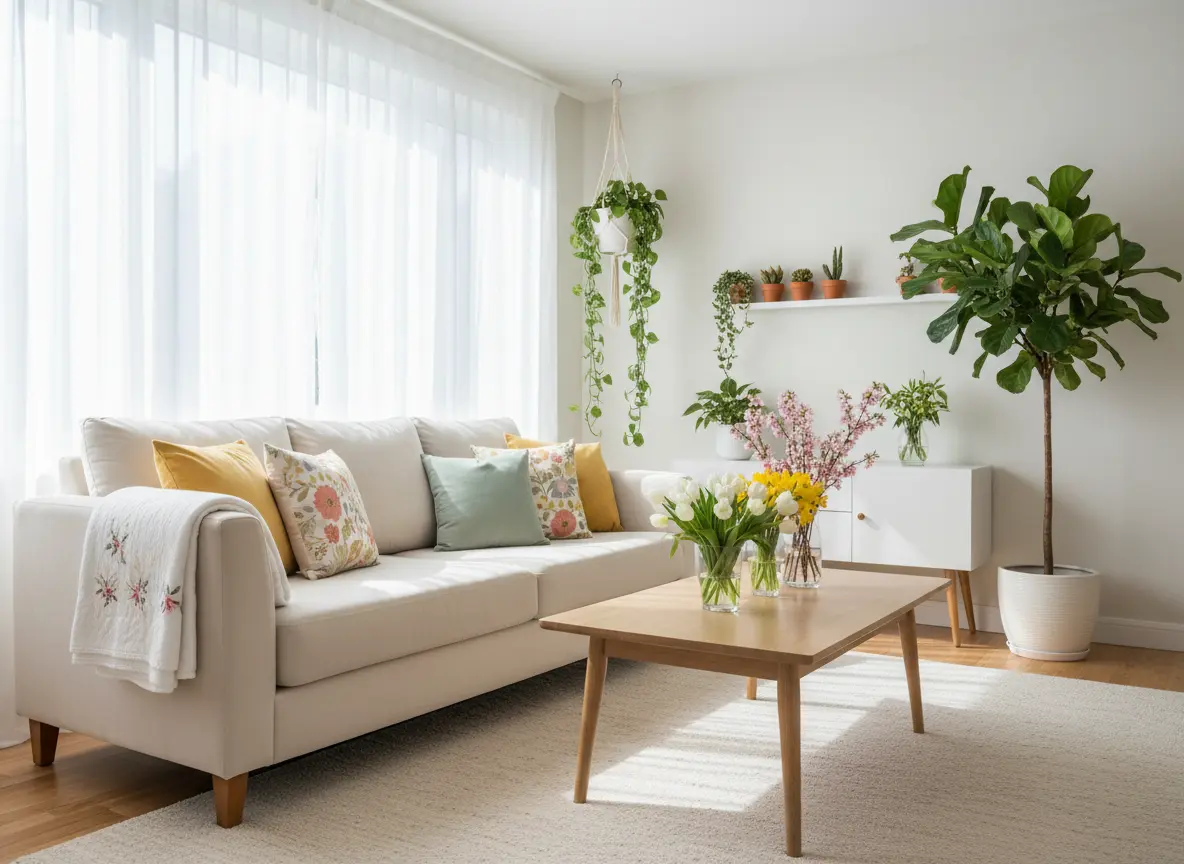
Houseplants add life, color, and texture to any room — and many of the best ones are free or nearly free. Propagate pothos, spider plants, or snake plants from cuttings (ask a friend, neighbor, or online plant swap group).
Place taller plants in empty corners, medium plants on shelves, and trailing plants on top of cabinets. Use affordable terra cotta pots or thrifted vessels instead of expensive planters.
According to a study published by the Journal of Environmental Psychology, indoor plants also reduce stress and improve mood — making them one of the smartest economy home decor investments you can make.
8. Layer Lighting for a Luxury Atmosphere
The right lighting instantly makes a room feel 10x more expensive. Ditch the single overhead light and layer three types: ambient (overhead or floor lamp), task (table lamp or reading light), and accent (candles or LED strips).
Warm-toned LED bulbs (2700K) create a cozy, inviting glow that expensive hotels use. You can buy a complete warm LED strip for under $15. Pair it with a stylish floor lamp from a thrift store or discount retailer.
This is the economy home decor principle that professional stagers rely on most — because buyers consistently rate well-lit rooms as more valuable and appealing.
9. Use Mirrors to Double Your Space
A well-placed mirror makes any room feel larger, brighter, and more expensive. Position a large mirror opposite a window to reflect natural light, or lean an oversized floor mirror against a wall for a high-end loft aesthetic.
Thrift stores regularly stock large mirrors for 10–30 that would cost $100+ new. If the frame is outdated, spray paint it gold, black, or white to match your style.
This is especially powerful for small spaces. If you’ve been working on your cozy bedroom ideas, a strategically placed mirror will instantly open up the room.
10. Rearrange Furniture Before Buying New
Shopping your own home is the ultimate zero-cost economy home decor strategy. Before spending a cent, try moving furniture between rooms, swapping artwork, or changing the orientation of your sofa.
A bookshelf from the bedroom might work perfectly as a living room divider. Dining chairs can become accent chairs in a reading nook. That side table collecting dust? Move it to the entryway.
Interior designer Emily Henderson calls this “shopping your house” — and it’s the first thing professional designers do before recommending purchases.
11. DIY Cloth Napkins into Throw Pillow Covers
Turn $4 cloth napkins into designer-looking pillow covers in 10 minutes. Buy two coordinating cloth napkins per pillow, place them right-sides together, sew (or iron-on hem tape) three sides, flip, and stuff with a pillow insert.
This hack gives you custom throw pillows at 80% less than retail. Mix florals, stripes, and solids from the same collection for an effortlessly coordinated look.
No sewing machine needed — iron-on hem tape works perfectly and costs under $5 for a roll that makes 6+ pillows.
12. Add Warm Texture with Affordable Rugs
An area rug anchors a room and defines zones — and you don’t need to spend hundreds. Look for jute, sisal, or woven cotton rugs at discount retailers like Rugs USA, Wayfair sales, or even IKEA.
Layer a smaller patterned rug on top of a larger neutral one for a collected, designer look. In the living room, make sure your rug is large enough for at least the front legs of your sofa to sit on it.
If you love the cottage living room aesthetic, natural fiber rugs are a budget-friendly way to nail that warm, rustic vibe.
13. Transform Thrift Store Furniture with Paint
A 20thriftstoredresserbecomesa20thriftstoredresserbecomesa300-looking statement piece with a can of chalk paint. Sand lightly, prime if needed, and apply two coats of paint in a trending color. Add new hardware (see tip #5) for the finishing touch.
This approach works on side tables, bookshelves, nightstands, dining chairs, and TV consoles. White, sage green, and warm black are universally flattering choices.
The key to making painted furniture look expensive: always finish with a clear coat or wax for a smooth, professional surface.
14. Upgrade Your Curtains to Floor Length
Short curtains make a room look cheap. Floor-length curtains make it look expensive. This is one of the simplest economy home decor rules that dramatically changes how a room feels.
Hang curtain rods 4–6 inches above the window frame and let curtains barely kiss the floor (or puddle slightly for a luxe look). Affordable linen-look curtains from IKEA or Amazon cost 15–25 per panel.
If you need help getting the measurements right, our guide on how to measure for curtains covers everything step-by-step.
15. Use Books as Decor (Not Just Reading Material)
Stacked books add height, color, and intellectual charm to any surface. Collect hardcovers from thrift stores (1–3 each), remove dust jackets for a clean look, and stack them on coffee tables, nightstands, shelves, and mantels.
Group books in stacks of 3–5 and top each stack with a small decorative object — a candle, a small plant, or a decorative box. Coordinate spine colors with your room’s palette.
This trick is used by every major home styling firm and costs almost nothing when you source from library sales and second-hand shops.
16. Create a Cozy Reading Corner for Under $50
A reading corner makes your home feel instantly more intentional and inviting. All you need is a comfortable chair (thrifted or repurposed), a throw blanket, a floor lamp, and a small side table.
Tuck it near a window for natural light. Add a small basket for books and magazines. Layer a cozy throw over the chair arm. Place a warm-toned bulb in your lamp for that golden, inviting glow.
This concept ties perfectly into creating a cozy home library vibe — even if you only have one small corner to work with.
17. Use Trays to Contain and Elevate Surface Clutter
A decorative tray turns random objects into a curated vignette. Place one on your coffee table, bathroom counter, dresser, or kitchen island to instantly organize and elevate everyday items.
Group 3–5 items on each tray: a candle, a small plant, a decorative object, and one functional item (like a remote control or hand soap). The tray provides visual boundaries that make groupings look intentional rather than cluttered.
Affordable options include wooden trays, woven rattan trays, or marble-look trays from dollar stores and discount home retailers.
18. Refresh Your Entryway for First Impressions
Your entryway sets the tone for your entire home — and it’s the easiest room to upgrade cheaply. Add a small console table or floating shelf, a mirror, a basket for shoes or keys, and one seasonal decorative element.
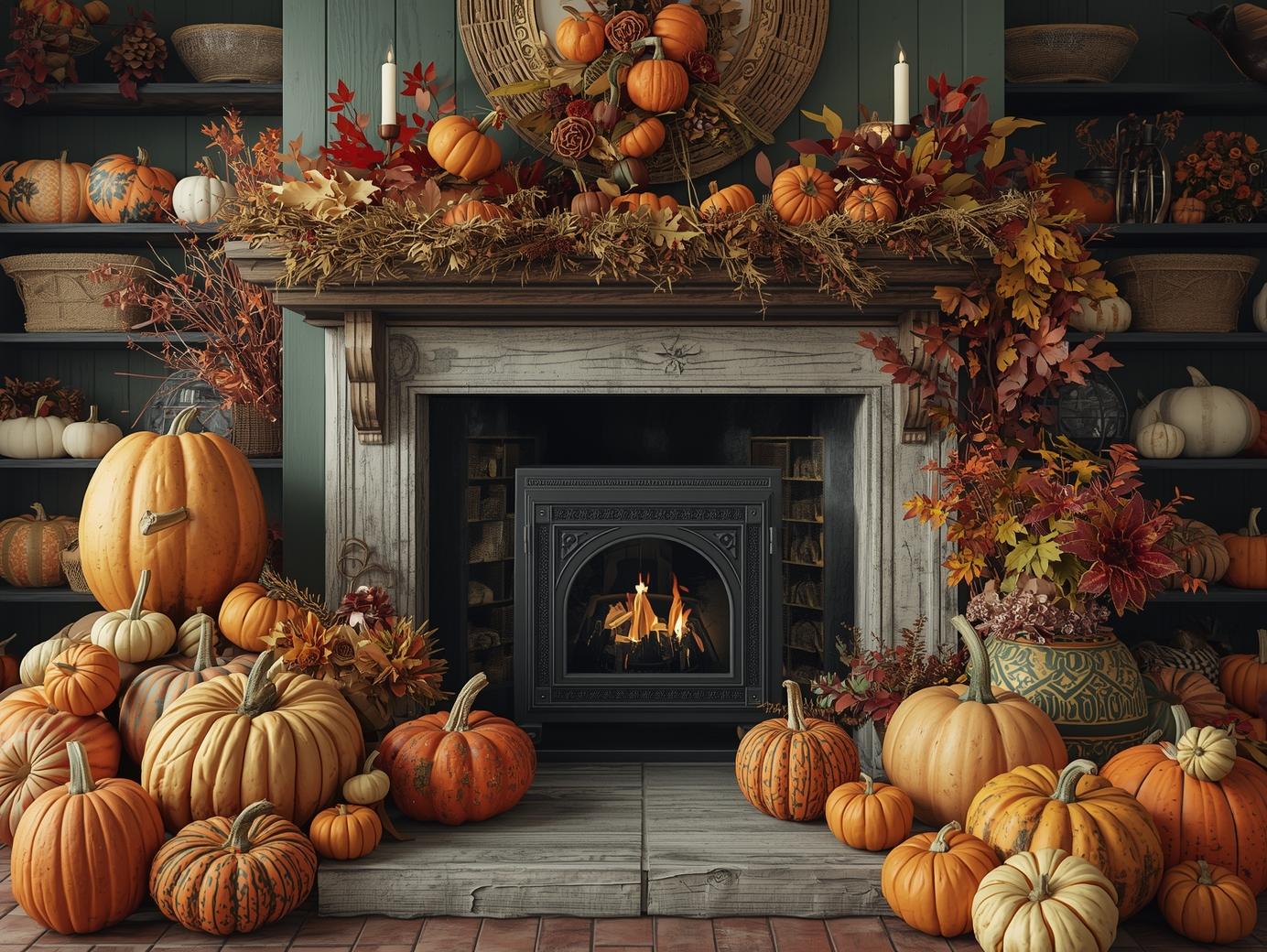
Swap the seasonal element quarterly: fresh flowers in spring, a potted plant in summer, a small pumpkin display in fall, and pine branches in winter. This keeps your entry feeling fresh year-round for minimal cost.
If you’re working with limited space, just a wall-mounted key hook, a small mirror, and a doormat can transform a plain hallway into a welcoming entry.
19. Shop Seasonal Clearance for Next Year’s Decor
Buy holiday and seasonal decor at 50–75% off the week after each holiday. This is the smartest economy home decor buying strategy most people overlook.
Stock up on fall decor in November, Christmas decor in January, and spring decor in May. Store everything in labeled bins in your garage or closet. When the season rolls around again, you’ll have gorgeous decor at a fraction of the cost.
If you’re already using smart blanket storage ideas, apply the same organization approach to your seasonal decor collection.
20. Add a Statement Light Fixture as the Focal Point
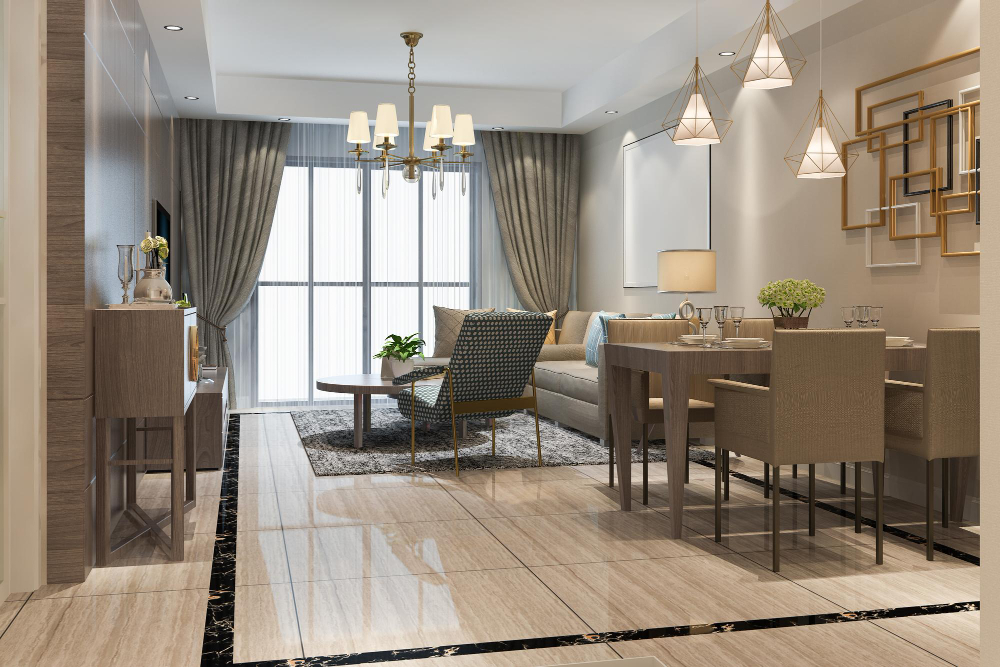
One statement light fixture can make an entire room feel designed. Replace builder-grade flush mounts or boob lights with a woven pendant, rattan chandelier, or geometric fixture from Amazon or Wayfair (many under $50).
The dining room and entryway are the two best places for a statement light because they’re the first things guests notice. A woven rattan pendant light adds warmth and texture that makes the room feel curated.
Swapping a light fixture is a 15-minute DIY project that delivers outsized visual impact — arguably the highest return-on-investment economy home decor move.
21. Use the “One In, One Out” Rule to Keep Spaces Clean
The most expensive-looking homes aren’t full of expensive things — they’re edited. For every new decor item you bring in, remove one that no longer serves the space.
This principle, called “warm minimalism,” is the dominant interior design trend in 2026. It emphasizes quality over quantity, intentional placement over cluttered shelves, and spaces that breathe rather than overwhelm.
The result? A home that looks and feels more expensive simply because it’s thoughtfully curated — and it costs you nothing.
Economy Home Decor Ideas at a Glance
| # | Idea | Estimated Cost | Impact Level | Difficulty |
|---|---|---|---|---|
| 1 | Paint an accent wall | 15–40 | ⭐⭐⭐⭐⭐ | Easy |
| 2 | Layer throw pillows | 20–40 | ⭐⭐⭐⭐ | Easy |
| 3 | Gallery wall with thrifted frames | 10–30 | ⭐⭐⭐⭐⭐ | Medium |
| 4 | Peel-and-stick wallpaper | 25–50 | ⭐⭐⭐⭐ | Easy |
| 5 | Swap cabinet hardware | 15–50 | ⭐⭐⭐⭐ | Easy |
| 6 | Style open shelving | 0–20 | ⭐⭐⭐⭐ | Medium |
| 7 | Add houseplants | 0–15 | ⭐⭐⭐⭐ | Easy |
| 8 | Layer lighting | 15–40 | ⭐⭐⭐⭐⭐ | Easy |
| 9 | Use mirrors strategically | 10–30 | ⭐⭐⭐⭐ | Easy |
| 10 | Rearrange furniture | $0 | ⭐⭐⭐ | Easy |
| 11 | DIY napkin pillow covers | 8–15 | ⭐⭐⭐ | Medium |
| 12 | Add affordable rugs | 30–80 | ⭐⭐⭐⭐⭐ | Easy |
| 13 | Paint thrift store furniture | 10–25 | ⭐⭐⭐⭐⭐ | Medium |
| 14 | Upgrade to floor-length curtains | 15–50 | ⭐⭐⭐⭐ | Easy |
| 15 | Use books as decor | 3–10 | ⭐⭐⭐ | Easy |
| 16 | Create a reading corner | 20–50 | ⭐⭐⭐⭐ | Easy |
| 17 | Use decorative trays | 5–15 | ⭐⭐⭐ | Easy |
| 18 | Refresh your entryway | 15–40 | ⭐⭐⭐⭐ | Easy |
| 19 | Shop seasonal clearance | Varies | ⭐⭐⭐⭐ | Easy |
| 20 | Add a statement light fixture | 25–50 | ⭐⭐⭐⭐⭐ | Medium |
| 21 | Practice warm minimalism | $0 | ⭐⭐⭐⭐ | Easy |
What is economy home decor?
Economy home decor is the practice of decorating your home beautifully while spending as little money as possible. It focuses on budget-friendly strategies like thrifting, DIY projects, repurposing existing items, and shopping smart to create a stylish, inviting space without overspending. The goal is a high-end look at a low-end price point.
How can I make my home look expensive on a budget?
Focus on a few high-impact changes rather than many small ones. Paint an accent wall, upgrade to floor-length curtains, layer your lighting, add strategically placed mirrors, and swap out dated cabinet hardware. These five changes alone can make any home look significantly more expensive for under $150 total.
What is the cheapest way to decorate a room?
The cheapest way to decorate a room is to rearrange existing furniture, shop your own house for decor, and add free or low-cost elements like propagated houseplants, thrifted books, and DIY pillow covers made from cloth napkins. You can completely refresh a room for under $20 using these strategies.
Where can I find affordable home decor?
The best sources for affordable home decor include thrift stores, estate sales, IKEA, Amazon, Wayfair clearance sections, dollar stores, and seasonal clearance sales at major retailers like Target and HomeGoods. Online marketplaces like Facebook Marketplace and Craigslist also offer high-quality second-hand decor at steep discounts.
Is DIY home decor worth the effort?
Yes, DIY home decor is absolutely worth the effort for most projects. Simple projects like painting furniture, creating gallery walls, or making pillow covers save 60–80% compared to buying retail. They also give your home a unique, personal touch that mass-produced decor cannot replicate.
What are the biggest economy home decor mistakes to avoid?
The three biggest mistakes are: buying too many small items instead of fewer impactful pieces, choosing trendy decor over timeless staples, and ignoring lighting. Cluttered surfaces, mismatched scales, and harsh overhead lighting are the fastest ways to make a room look cheap regardless of what you spend.
How often should I update my home decor on a budget?
Update your home decor seasonally with small, low-cost changes like swapping throw pillow covers, changing out seasonal elements in your entryway, and rotating decorative objects between rooms. Major updates like painting walls or adding rugs can be done once a year during seasonal clearance sales to maximize savings.
Final Thoughts
Economy home decor isn’t about deprivation, it’s about making smarter choices that deliver maximum visual impact for minimum cost.
Start with the three highest-impact items from this list: paint an accent wall, layer your lighting, and invest in one good area rug. These three changes alone will transform how your space looks and feels.
The most beautifully decorated homes we’ve featured on Simple Cozy Homes share one thing in common — they’re not filled with expensive things. They’re filled with intentional things. And that kind of style is completely free.
What’s your favorite economy home decor hack? Drop it in the comments below, we’d love to hear what’s worked for you!