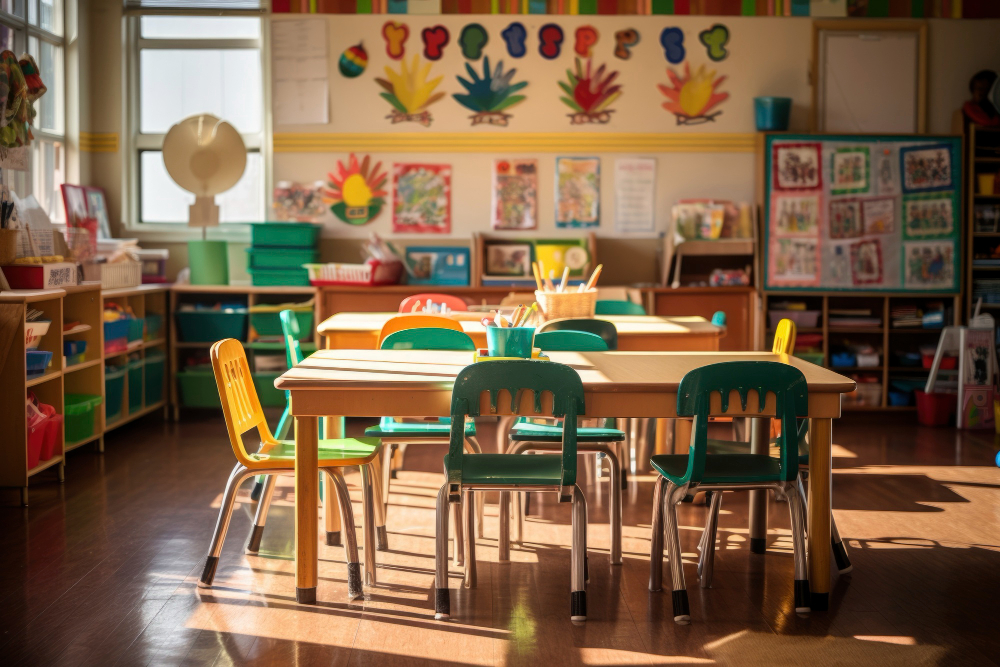
Did you know a well-designed classroom can boost student focus by up to 20%? Studies show the space around kids shapes their mood and drive to learn. It’s not just about pretty walls—it’s about creating a spot where young minds thrive.
Smart classroom decor ideas turn your room into a tool for better teaching. These setups go beyond basic posters. They build calm, spark ideas, and keep things in order. In this guide, we’ll cover ways to mix function, inspiration, and neatness. You’ll find tips for every teacher, from newbies to pros, to make your space work harder for student success.
READ MORE: How to Create Stunning Economy Home Decor 2026
Foundational Design Principles for Engaging Learning Spaces
Classroom Decor Ideas: Good classroom design starts with basics that set the tone. Think of your room as a quiet guide for busy kids. Clutter can distract, while smart choices help everyone stay on track. Before adding fun stuff, nail these core ideas to make your decor shine.
Mastering Color Psychology in Educational Settings
Colors hit kids’ brains in big ways. Blue walls calm nerves during tests or reading time. Yellow adds pep for group chats without overwhelming.
Mix in neutrals like soft grays or beiges to balance it out. Too much bright hue tires eyes fast. Try painting one wall blue for focus, then add yellow accents on shelves. This setup keeps energy steady all day.
For primary colors, use them in spots. A red border on a math chart grabs attention. But pair it with white space to avoid chaos. Teachers see calmer classes with these tricks—kids settle quicker and stay engaged longer.
Decluttering for Cognitive Clarity: Less is More
Visual mess blocks clear thinking. Kids trip over mental junk just like toys on the floor. Aim for open sight lines so eyes rest easy.
Clear pathways first. Keep floors free for movement during lessons. Hang items at eye level, not everywhere. This creates “visual pathways” that lead to key spots, like the board.
Use the “less is more” rule. Pick 5-7 main decor pieces per wall. Rotate them monthly to keep things fresh. You’ll notice kids focus better—no more hunting for lost focus in the noise.
Creating Zones: Flexible Seating and Learning Centers
Divide your room into zones for different vibes. A cozy reading corner invites quiet dives into books. A group table sparks team talks on science projects.
Flexible seating counts as decor too. Bean bags or wobble stools add comfort and fun. Kids own their spot, which builds pride. Set up a quiet nook with pillows and dim lights for solo work.
Label each zone simply. Use signs like “Math Magic” for the number corner. This guides kids naturally. Flexible setups let you shift for lessons, keeping the flow smooth all year.
Maximizing Instructional Decor and Visual Aids
Decor isn’t just eye candy—it’s a teaching sidekick. These ideas tie straight to lessons. They help kids grab concepts fast and remember them longer. Shift from plain posters to active tools that pull students in.
High-Impact Anchor Charts and Working Walls
Anchor charts anchor big ideas right where kids see them. They’re big, bold summaries of lessons, like steps for writing a story. Make them with the class so kids feel part of it.
A working wall evolves with your unit. Start with empty space, add notes as you go. Use sticky notes for quick changes—perfect for math strategies or vocab growth.
Keep charts neat. Big letters, simple pics, and one color scheme. Hang them at kid height for easy reads. Teachers love how these cut down on repeat questions—kids check the wall first.
Integrating Essential Reference Displays (Word Walls and Math Tools)
Word walls build vocab without drills. Group words by theme, like animals or emotions. Add pics for visual learners—ELL kids especially thank you.
For math, show tools like number lines or shape cutouts. Make them pop-up style on a side wall. Kids glance over during problems, solving faster.
Update these often. Fade out old units to spotlight new ones. Use magnets for easy swaps. This keeps displays fresh and tied to what you’re teaching now.
- Tip 1: Color-code words by part of speech—nouns in green, verbs in blue.
- Tip 2: Include kid examples on the wall to spark ownership.
- Tip 3: Place near the door so kids see them entering.
Leveraging Student Work for Authentic Display
Show off student art to build pride. A “Mastery Gallery” highlights skills, not just “nice job.” Rotate pieces every two weeks to keep walls alive.
Frame spots with washi tape for a clean look. Mix drawings, essays, and projects. This shows growth over time—kids see their progress.
Get kids involved in hanging their work. Let them vote on themes. It fosters community. Avoid overload; pick top efforts to inspire, not shame.
Fostering Positive Culture Through Inspirational Decor
Your room’s feel shapes how kids connect. Warm decor builds bonds and boosts self-worth. It’s the heart stuff that turns a class into a family.
Promoting Growth Mindset and Affirmation Stations
Growth mindset posters remind kids “yet” is key—I can’t do it yet. Hang quotes like “Mistakes help us learn” near desks. Add a station with sticky notes for daily wins.
Self-talk prompts work wonders. Phrases like “I am capable” on mirrors. Kids whisper them during tough spots. Watch confidence grow as they repeat.
Mix in fun. Cartoon characters sharing stories of failure-to-success. Place near the door for a positive start. These touches cut down on “I can’t” talks big time.
Personalization: Making Space for Every Student
Name tags on desks say “welcome” loud. Add a fun fact about each kid, like favorite color. It sparks chats and belonging from day one.
Cubby spots get personal too. Stickers or pics reflect hobbies. An “About Me” board shares dreams—soccer stars or book lovers.
This decor fights isolation. Kids see themselves in the space. Update as they change; a mid-year refresh keeps it real. You’ll feel the team vibe strengthen.
Culturally Responsive Decor and Representation
Diversity in decor mirrors real life. Hang pics of leaders from all backgrounds—Malala for girls, inventors from Asia. It opens minds wide.
Book covers from global tales add color. Include holidays from every culture. Kids from different homes feel seen.
Swap items to fit your group’s makeup. Ask families for input. This builds respect and curiosity. Classrooms with this setup report happier, more inclusive groups.
Organization as Decor: Functional Aesthetics
Neat storage looks good and runs smooth. It’s decor that works for you. Hide chaos in style to keep lessons on track.
Implementing Clear Labeling Systems (Visual and Textual)
Labels guide tiny hands to right spots. Use pics with words on bins—apple for snacks, pencil for supplies. Younger kids or new English speakers love this.
Make tags bold and big. Laminate for long life. Color-match to zones, like blue for books.
Teach the system day one. Kids sort with ease after. It cuts mess and saves your time.
- Step 1: Inventory supplies first.
- Step 2: Print or draw simple icons.
- Step 3: Stick on with Velcro for swaps.
Vertical Storage Solutions and Display Racks
Walls hold more than art. Slot shelves for paper stacks keep floors clear. Hang racks for markers—easy grab, no hunt.
Use over-door organizers for small tools. Pocket charts hold flashcards neat. This frees desk space for work.
Pick styles that match your theme. Wood tones warm up modern rooms. Kids reach without stretch—safety first.
Managing Technology and Cord Visibility
Tech clutter kills calm. Bundle cords with clips behind desks. Hide chargers in pretty baskets.
For projectors, wall mounts keep lines tidy. Label ports simply. This setup speeds setup time.
Add cord covers in fun colors. They blend as decor. A clean tech zone means fewer glitches in lessons.
Seasonal & Thematic Decor Updates for Sustained Engagement
Keep things fresh without breaking the bank. Small changes spark excitement. Tie them to seasons or topics for ongoing pull.
Simple Swaps: Updating Bulletin Boards Quarterly
Bulletin boards refresh easy. Use removable borders for holidays—fall leaves in September. Swap centers with student art or facts.
Frame with cardboard for reuse. Pin new content quarterly. Kids anticipate the change—it builds buzz.
This low-effort hack keeps walls alive. No full redo needed. Energy stays high through the year.
Incorporating Nature: Plants and Natural Elements
Plants breathe life into sterile rooms. Low-care ones like snake plants purify air. Place on windowsills for green views.
Add wood shelves or burlap banners. They warm up cold tiles. Kids touch textures during breaks—calms fidgets.
Start small; one plant per zone. Watch stress drop as nature joins the mix.
Budget-Friendly Decor Hacks
DIY rules for tight wallets. Cut shapes from old magazines for collages. Print free growth posters online.
Recycle boxes into labeled storage. Paint them to match colors. Thrift stores yield frames cheap.
Involve kids in crafts. It saves cash and teaches skills. Your space shines without spending much.
Conclusion: Designing Your Sanctuary for Student Success
Effective classroom decor rests on three pillars: function, inspiration, and organization. Function keeps things practical for daily wins. Inspiration lifts spirits and minds. Organization clears the path for focus.
These ideas turn your room into a success hub. Start small—pick one zone to tweak. Watch kids respond with more drive.
Review your setup often. Adapt to what your class needs. Invest time here; it pays in brighter outcomes all year. Your students deserve this thoughtful space—make it happen.