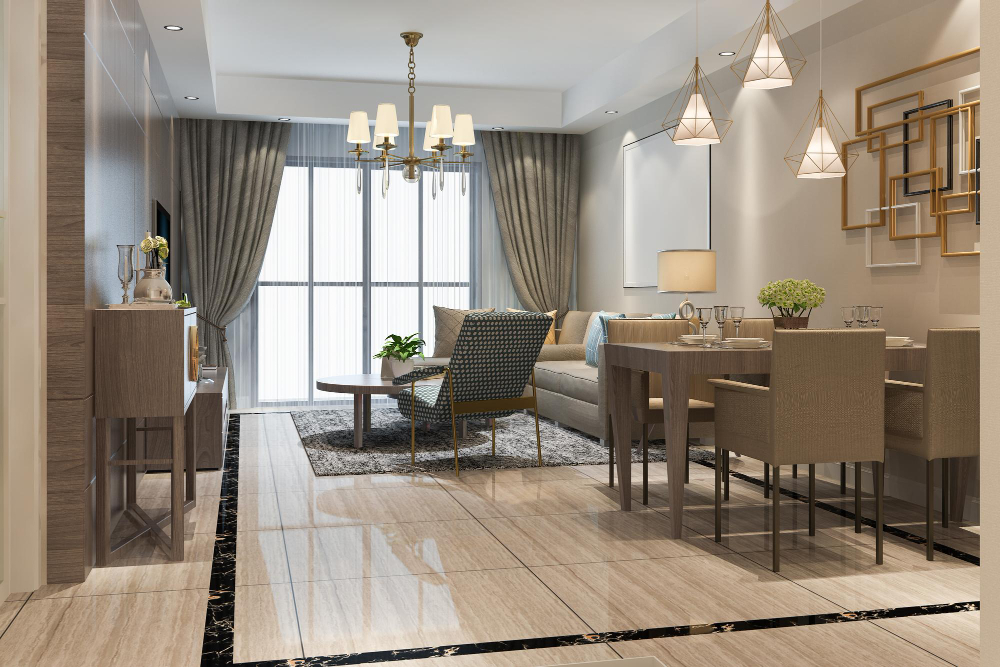
Interior Design Trends: The design world is experiencing a dramatic shift in 2026, and your home deserves to come along for the ride. We’re moving from stark minimalism to warm maximalism, from untouchable perfection to lived-in authenticity, and from neutral safety to bold color commitments. Interior designers across the country agree – this year is about creating spaces that feel deeply personal, comfortably layered, and authentically you. “If 2025 has been the year of rediscovering warmth and personality, then 2026 is shaping up to be the year we fully commit to it,” says Ashley Rose Walsh, interior designer at Mojo Stumer Associates. Here are the ten trends professionals say will define how we design and live in our homes this year.
1. The Cocoon Bedroom Creates Ultimate Comfort
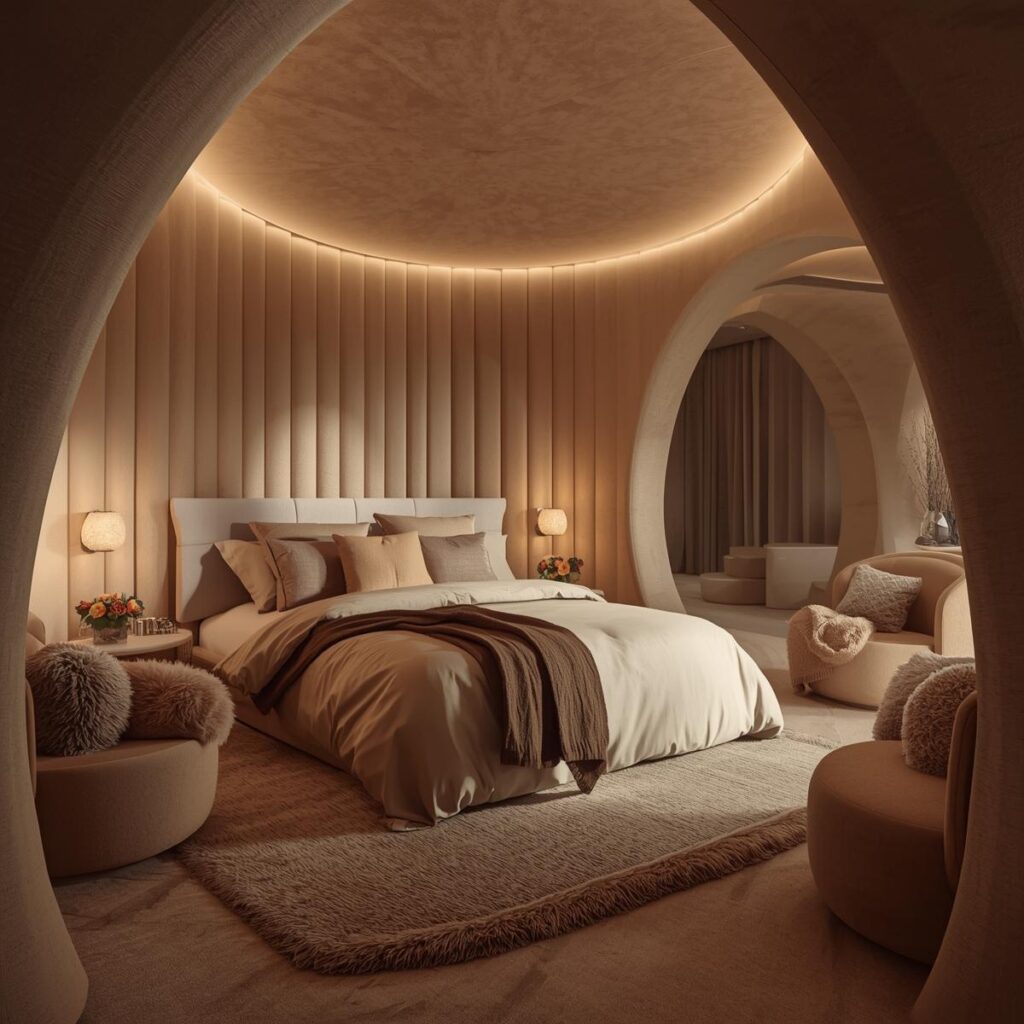
Bedrooms are shedding their minimalist coldness for something infinitely cozier – the cocoon trend wraps you in comfort the moment you walk through the door. Think padded headboards, upholstered wall panels, and layers upon layers of soft textures that create an intimate retreat from the overstimulated world outside. Interior designer Zoë Feldman explains this trend delivers exactly what people crave – a soulful reprieve from technology and harsh modern lines.
Sculptural shapes replace rigid lines: Curves, asymmetry, and handcrafted pieces bring organic warmth into cocoon bedrooms. Forget the straight edges that dominated the last decade – 2026 bedrooms embrace flowing forms that feel human and inviting.
Luxurious fabrics add depth: Silk, mohair, and washed linen create tactile richness while softening room acoustics. These materials give bedrooms a quietly tailored finish that feels expensive without screaming for attention, and they age beautifully over time.
READ MORE: 21 Blanket Storage Ideas That’ll Save Your Sanity
2. Unlacquered Metals That Age With Character
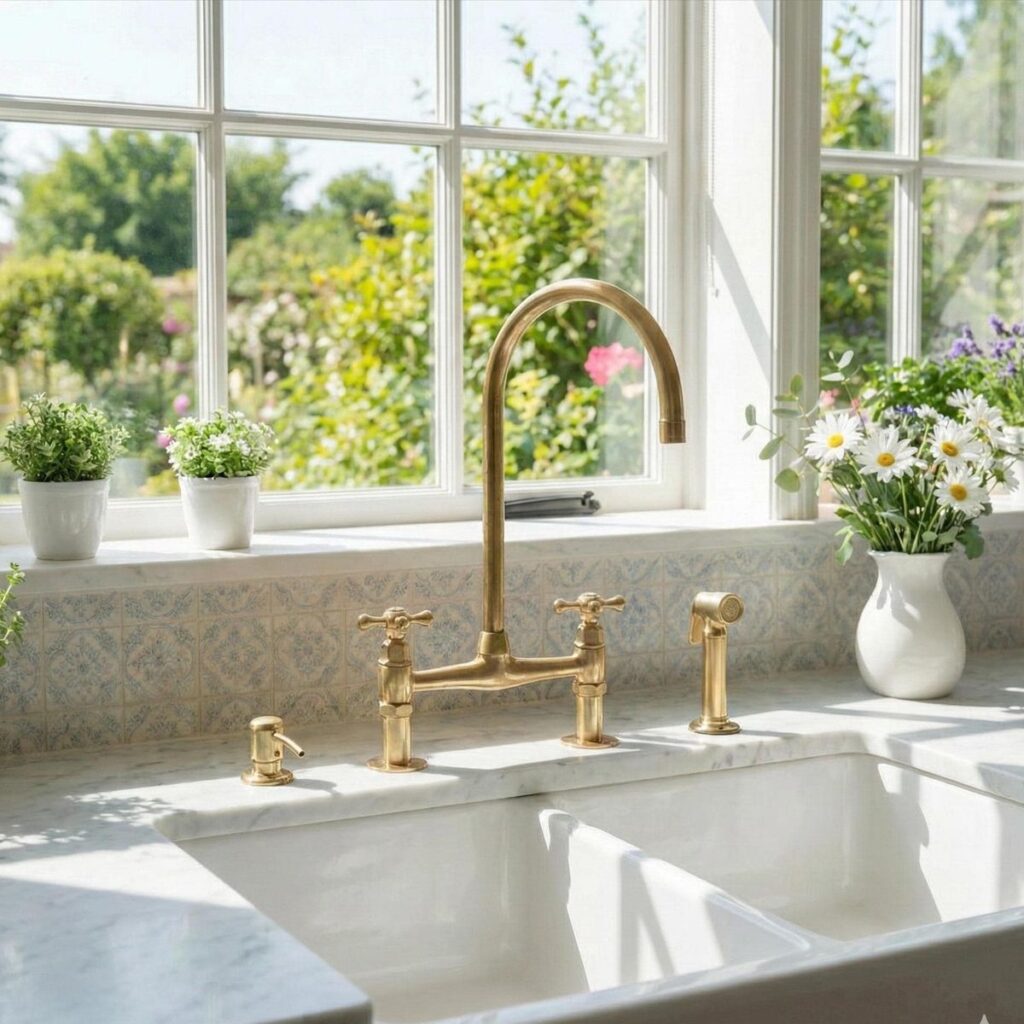
Shiny, pristine finishes are losing ground to metals that tell stories through their patina – unlacquered brass leads this honest materiality movement that celebrates imperfection as beauty. Homeowners are finally done chasing surfaces that look showroom-perfect forever, instead embracing finishes that evolve and develop character as years pass.
The beauty of natural aging: Unlacquered brass, aged bronze, and hand-rubbed metals develop unique patinas that add warmth and depth to spaces. Each piece ages differently based on use and environment, creating one-of-a-kind finishes that reflect your home’s specific story and rhythm.
Easy updates make big impact: Swapping cabinet hardware or faucets to unlacquered brass requires no renovation but transforms your space immediately. The patina develops naturally without any maintenance effort, adding sophisticated character that actually improves with time rather than fighting against it.
3. Natural Wall Treatments Replace Synthetic Finishes
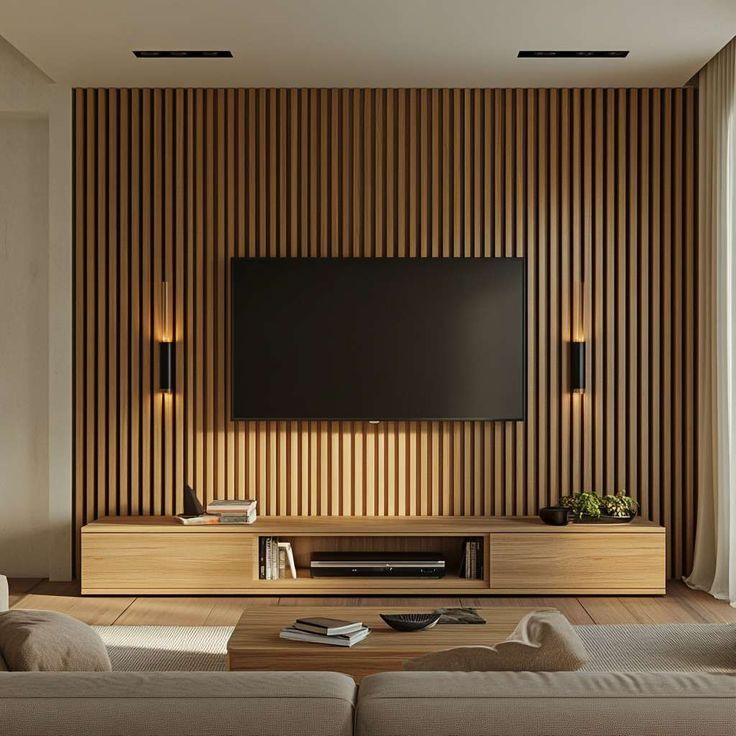
Walls are going organic in 2026 with raw woods, natural fabrics, and low-VOC materials taking over from synthetic treatments that feel manufactured and flat. Architect Elliot March notes growing demand for materials that prioritize both resident health and environmental impact, reflecting increased education about what we’re actually bringing into our homes.
Health-conscious choices matter: Low-VOC paints and treatments reduce indoor air pollution while creating healthier living environments. These options prove you don’t have to sacrifice style for safety – natural materials often look more sophisticated and age more gracefully than chemical-heavy alternatives.
Texture creates visual interest: Raw wood planks, woven grasscloth, and organic plaster finishes add dimensional beauty that flat paint never achieves. These textured treatments catch light differently throughout the day, creating dynamic walls that feel alive rather than static backdrops.
4. Patterned Textiles With Provenance Tell Stories
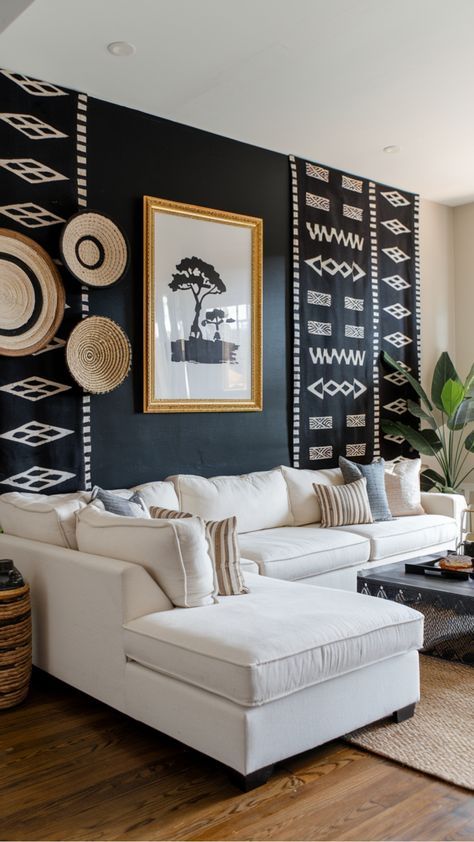
Generic prints are out – textiles with history, craft, and soul are defining 2026 interiors through drapery, canopies, and upholstery that feel collected rather than purchased. Designer Zoë Feldman emphasizes these patterns bring longevity and story to rooms, never feeling mass-produced or disposable like fast-fashion home goods.
Artisanal patterns add authenticity: Block prints, hand-loomed stripes, and antique-inspired florals carry cultural heritage and craftsmanship into modern homes. These textiles connect your space to traditional techniques and real artisans, adding depth that machine-made patterns simply cannot replicate.
Mix pattern scales strategically: Combining different pattern sizes creates visual rhythm without overwhelming chaos. Large-scale florals pair beautifully with fine striped details, while geometric accents ground organic prints – the key is varying scale while maintaining a cohesive color story throughout.
5. Curated Maximalism Replaces Stark Minimalism
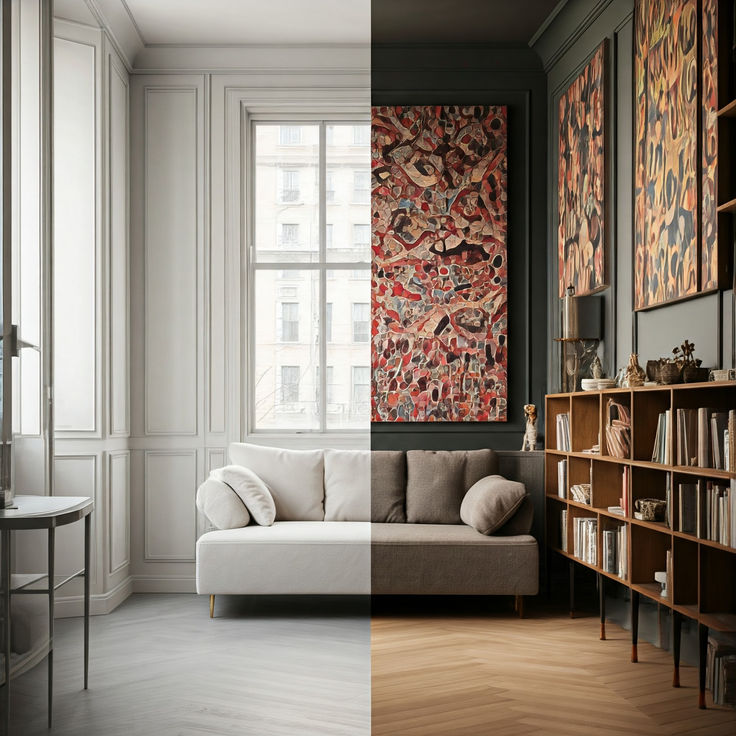
The “less is more” era is officially over – 2026 embraces “more is more” through layered textures, bold colors, and collected pieces that create homes with personality and soul. Interior designer Marianne Jones sees this shift fueled by post-pandemic fatigue with cold minimalism and a renewed craving for self-expression in our most personal spaces.
Personal stories take center stage: Vintage heirlooms, collected art, and sculptural furniture combine to tell your unique narrative. Curated maximalism isn’t about randomly cramming stuff into rooms – it’s about thoughtfully displaying meaningful pieces that reflect your experiences, travels, and values.
Layering creates richness: Millwork, one-of-a-kind pieces, and mixed textiles in fabrics, pillows, and upholstery build visual depth. This approach accumulates over time rather than happening overnight, creating spaces that feel genuinely lived in and loved rather than staged for a magazine shoot.
6. Hospitality-Inspired Design Brings Hotel Luxury Home
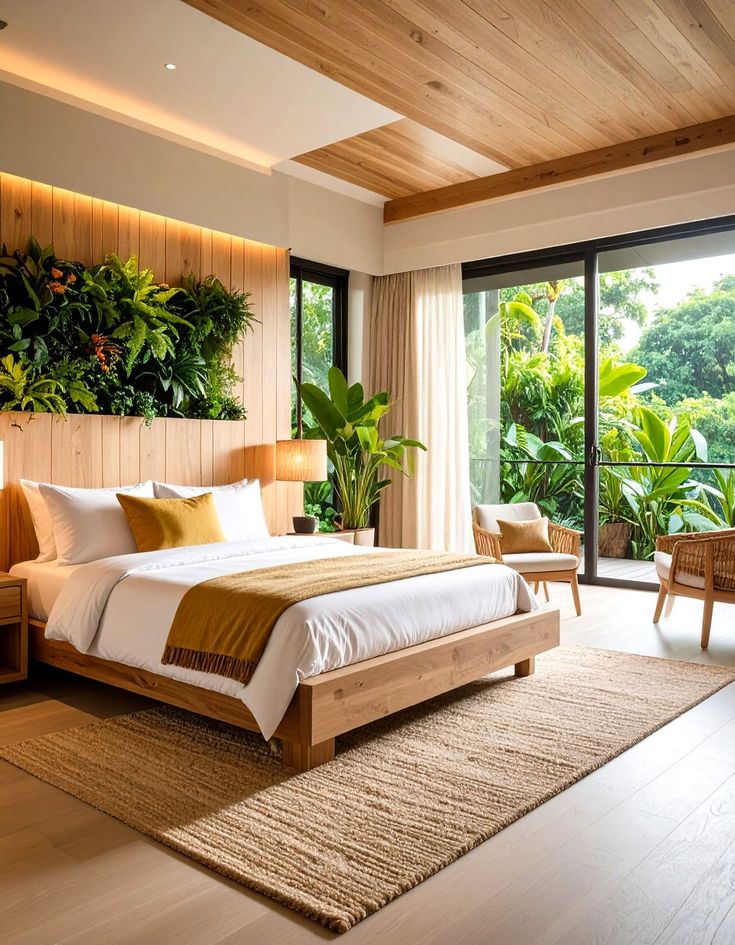
Your home is borrowing from five-star hotels with residential spaces incorporating elevated amenities and thoughtful services that make everyday living feel special. Designer Elliot March notes the growing fluidity between hospitality and home design – because who wouldn’t want to live surrounded by the magic hotels create?
Elevated everyday experiences: Hotel-inspired design focuses on small luxuries that improve daily life – perfectly placed lighting, quality linens, and intuitive layouts. These details transform mundane routines into moments of pleasure, bringing vacation-level comfort into your permanent residence.
Functional beauty matters: Hospitality design excels at making spaces both gorgeous and highly functional. Apply this principle by ensuring every beautiful element also serves a purpose, whether that’s a stunning mirror that improves room light or a decorative tray that corrals everyday items.
7. Layered Interiors Emphasize Quality Over Trends
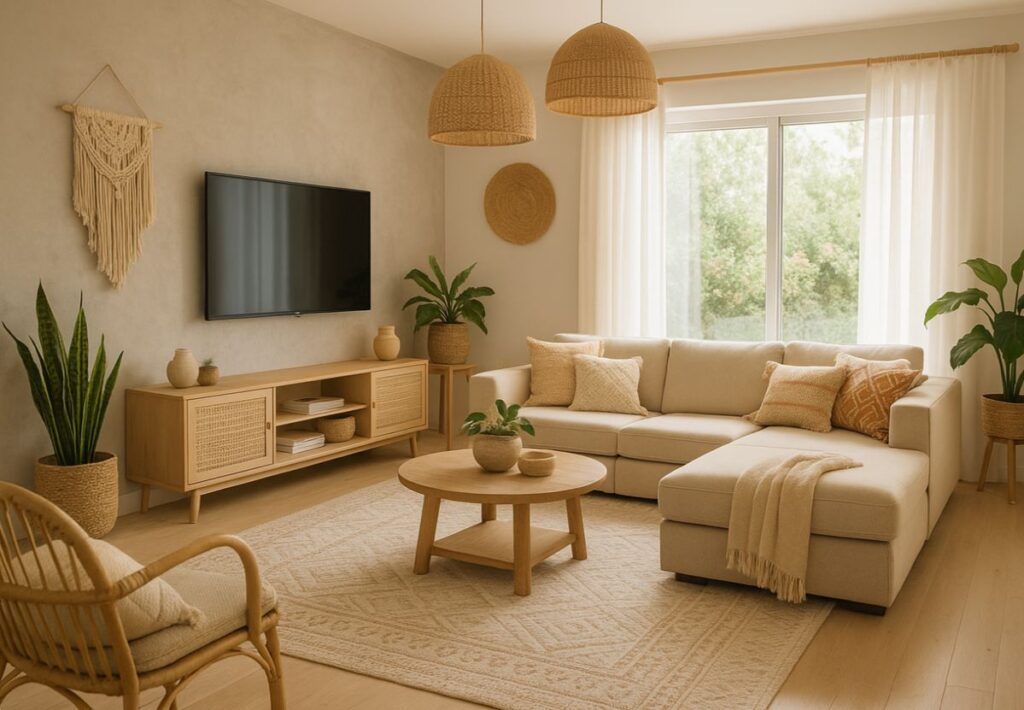
Flat, one-dimensional rooms are giving way to richly layered interiors that exemplify quality and character built to withstand changing trends. Designer Maria Viola-Kuttruff believes this approach stands the test of time – spaces designed this way look as good in ten years as they do today.
Warm neutrals form foundations: Base layers in sophisticated neutrals create canvases for layering color and texture. These foundational tones provide flexibility, allowing you to shift accent colors and accessories as your style evolves without requiring complete redesigns every few years.
Foliage patterns replace geometric prints: Organic botanical designs feel timeless compared to geometric patterns that date quickly. Natural motifs connect to the enduring appeal of the outdoors, working across design styles from traditional to contemporary without feeling tied to specific trend cycles.
8. The Fifth Wall Trend Adds Ceiling Drama
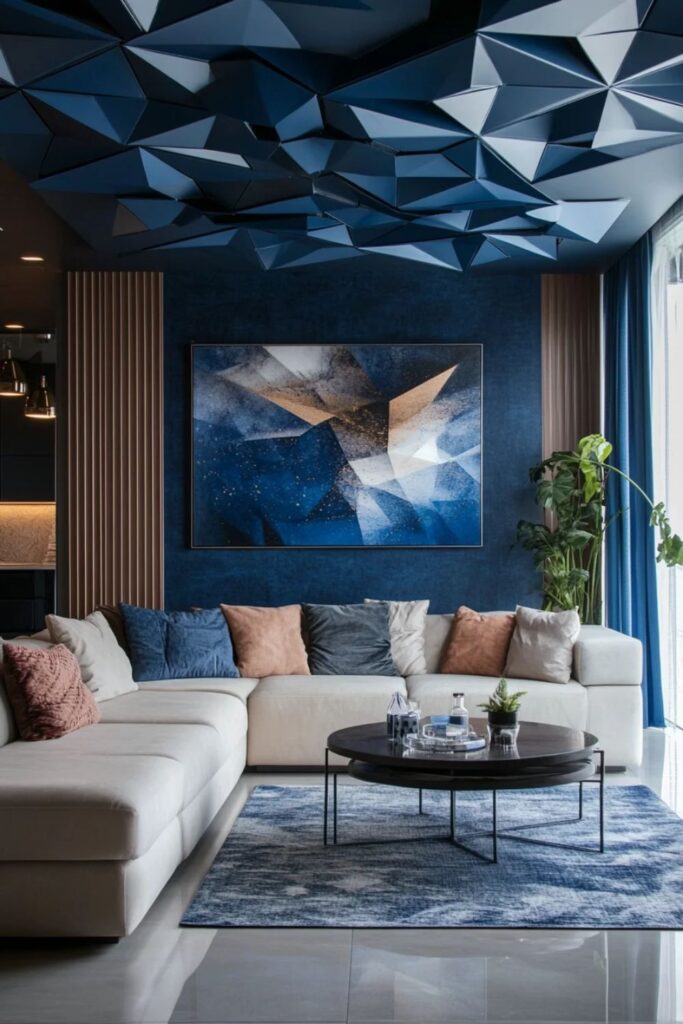
Ceilings are finally getting their moment as designers treat them as the “fifth wall” deserving attention through textured wallpaper, contrasting paint, or unexpected finishes. Jasmin Reese, founder of Jasmin Reese Interiors, explains this trend creates design surprise and adds dimension without overwhelming walls or floor space.
Unexpected visual interest: Patterned or boldly colored ceilings draw eyes upward, making rooms feel more dynamic and complete. This approach works especially well in rooms with architectural interest like coffered or vaulted ceilings, emphasizing existing features rather than hiding them.
Easy transformation, big impact: Ceiling treatments require relatively little effort compared to wall projects but dramatically elevate ambiance. Even rental-friendly options like peel-and-stick wallpaper or temporary paint can transform a ceiling, making this trend accessible regardless of homeownership status.
9. Color-Drenching Creates Cocooning Atmospheres
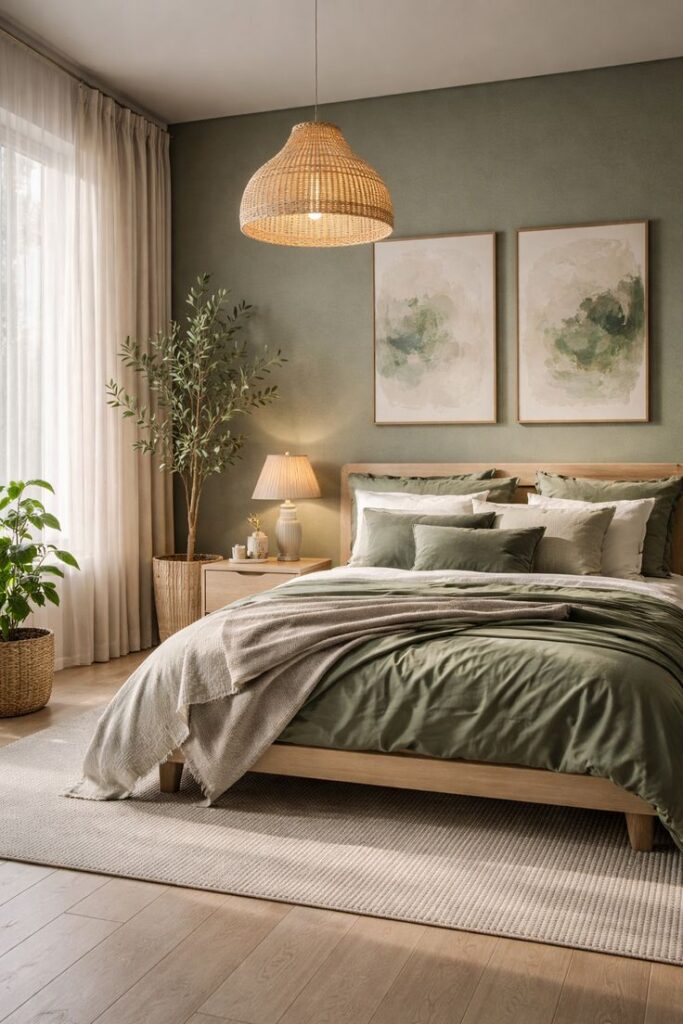
Extending single paint colors across walls, trim, and ceilings creates immersive, atmospheric rooms that feel cinematic and deeply personal – and this technique shows no signs of slowing in 2026. Designer Ashley Rose Walsh emphasizes saturated blues, aubergine purples, deep greens, and burnt spice tones work particularly well for creating cocooning environments.
Atmosphere over decoration: Color-drenching goes beyond choosing paint – it’s about creating emotional environments that affect how you feel. Monochromatic color schemes eliminate visual interruption, allowing your mind to relax into spaces rather than constantly processing where one surface ends and another begins.
Start small, think texture: Begin color-drenching in contained spaces like bedrooms, studies, or entryways before committing entire homes. Pair bold hues with textured finishes like limewash or clay-based paints for elevated, layered effects that feel custom and sophisticated rather than flat.
10. Celebrating Craftsmanship Through Artisanal Materials
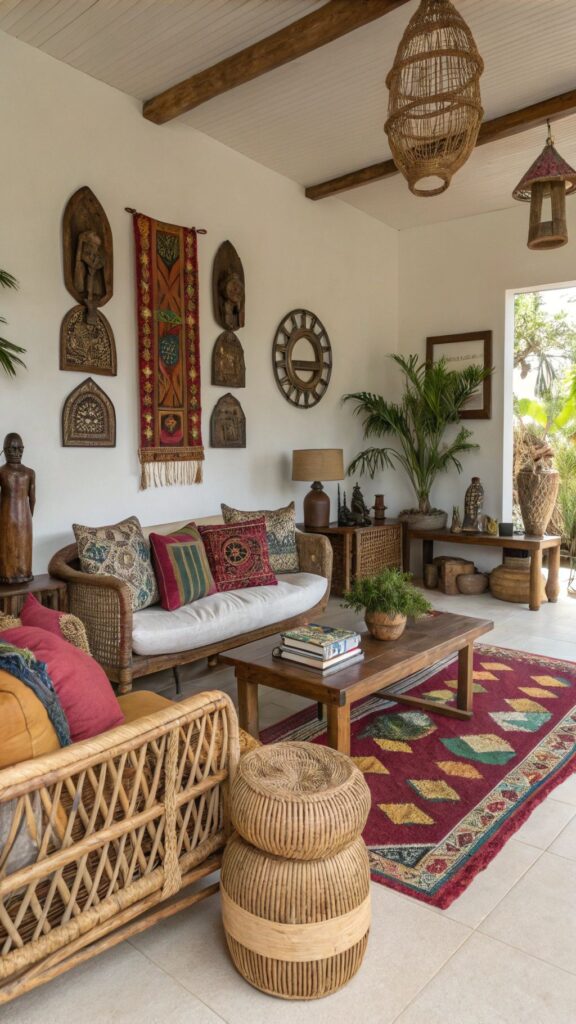
The backlash against fast furniture and flat surfaces reaches full force in 2026 as tactile, natural, and artisanal materials take center stage in thoughtfully crafted homes. Designer Marianne Jones notes limewash walls, Venetian plaster, woven naturals, reclaimed wood, and irregular organic forms all reflect desires for spaces that feel alive.
Patina adds character: Pieces that develop patina over time grow more beautiful with age rather than deteriorating. This aging process creates unique character that new, perfect items lack – your furniture and finishes become more distinctly yours as they weather and wear.
Traceable materials matter: Recycled textiles, artisanal ceramics, and locally sourced materials connect your home to specific makers and places. These choices support traditional crafts while reducing environmental impact, proving sustainability and style work together beautifully when you prioritize quality.
Conclusion of Interior Design Trends
These ten trends share common threads – authenticity, warmth, and intentional craftsmanship that rejects disposable design culture. You don’t need to embrace every trend to create a home that feels current and personal. Start with one or two that genuinely speak to you, whether that’s adding unlacquered brass hardware, layering in meaningful textiles, or finally painting that ceiling you’ve been ignoring. The best homes aren’t trend showcases – they’re spaces that reflect how you actually live, filled with things that bring you joy and comfort every single day. Pick what resonates, ignore what doesn’t, and create rooms that feel like they’ve been yours forever.
FAQ: Interior Design Trends
1. What are the most popular interior design trends currently?
- Answer: Current popular trends often include a blend of styles. We’re seeing a strong emphasis on natural materials (wood, stone, rattan), sustainable and eco-friendly designs, curved furniture and organic shapes, warm neutrals and earthy tones, biophilic design (bringing nature indoors), and a return to vintage or antique pieces mixed with modern elements for a personalized feel.
2. How often do interior design trends change?
- Answer: Major shifts in interior design trends typically occur every 5-10 years, but micro-trends or stylistic nuances can evolve annually. Some fundamental principles and timeless aesthetics remain, while specific colors, materials, and forms cycle in and out of popularity more frequently.
3. Should I follow every new interior design trend?
- Answer: Not necessarily. While trends offer fresh ideas and inspiration, it’s more important to create a space that reflects your personal style, comfort, and functional needs. Use trends as a guide, picking and choosing elements that genuinely resonate with you, rather than blindly following every new fad.
4. How can I incorporate trends into my home without a full renovation?
- Answer: You can easily update your space with trends through smaller, impactful changes. Consider swapping out textiles like cushions, throws, or curtains, introducing trendy decorative accessories, updating light fixtures, adding a statement piece of furniture, or painting an accent wall in a popular color. Plants and artwork are also great, low-commitment ways to refresh a room.
5. What are some timeless design elements that transcend trends?
- Answer: Timeless elements often include classic silhouettes in furniture, quality craftsmanship, neutral color palettes as a base, good lighting design, natural materials, and an emphasis on comfort and functionality. These foundational aspects provide a lasting backdrop that can be easily updated with trendier accents.
6. Are sustainable or eco-friendly trends popular right now?
- Answer: Absolutely. Sustainability is a major and growing trend, moving beyond just a fad to become a core value in design. This includes using recycled or upcycled materials, sourcing furniture from ethical and local producers, incorporating energy-efficient solutions, choosing non-toxic finishes, and integrating natural elements that promote well-being.
7. Where can I find inspiration for current interior design trends?
- Answer: Excellent sources of inspiration include interior design magazines (both print and online), design blogs, social media platforms like Pinterest and Instagram, design shows and expos, furniture showrooms, and even travel. Observing how other cultures and designers approach spaces can also spark creativity.
8. How can I make a trendy design feel unique and personal?
- Answer: To personalize a trendy design, mix new trends with vintage finds, family heirlooms, or pieces with sentimental value. Incorporate personal artwork, photographs, and collections. Choose colors and textures that reflect your personality, and focus on creating a comfortable, functional layout that suits your lifestyle.
9. What role do colors play in current interior design trends?
- Answer: Colors are crucial indicators of trends. Currently, we’re seeing a shift towards warmer, earthy tones like terracotta, sage green, sandy beiges, and muted browns. Bold, saturated colors are also making a comeback, often used as accent colors or in monochromatic schemes for dramatic effect. The emphasis is on creating a sense of calm, comfort, or vibrant energy, depending on the desired mood.
10. How do global events or cultural shifts influence interior design trends?
- Answer: Global events and cultural shifts have a significant impact. For example, the recent focus on home as a sanctuary during the pandemic led to a rise in comfortable, functional, and nature-inspired designs (biophilic design). Increased environmental awareness fuels sustainable design, while a desire for authenticity and connection can lead to the resurgence of handcrafted items and vintage aesthetics.